





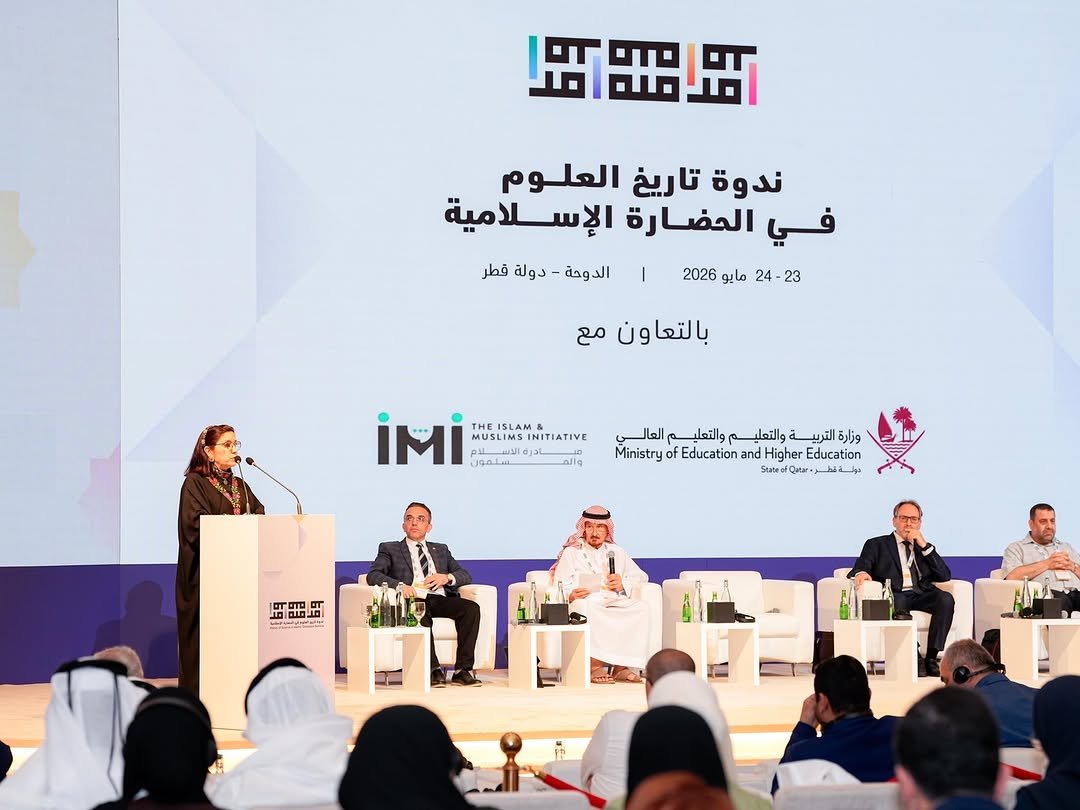
Doha: The Symposium on the History of Science in Islamic Civilization, held as part of the International Conference on Orientalism, commenced on Saturday in Doha. Organized by Ministry of Education and Higher Education and the Qatar National Commission for Education, Culture and Science in collaboration with the Islam and Muslims Initiative, the two-day event brings together leading scholars, researchers, and academics from Qatar and abroad.
The opening ceremony was attended by HE Lolwah bint Rashid bin Mohammed Al Khater, Minister of Education and Higher Education, alongside HE Undersecretary of the Ministry Dr. Ibrahim bin Saleh Al Nuaimi, senior education officials, ambassadors from Arab and Islamic countries, and a wide audience of intellectuals and researchers.

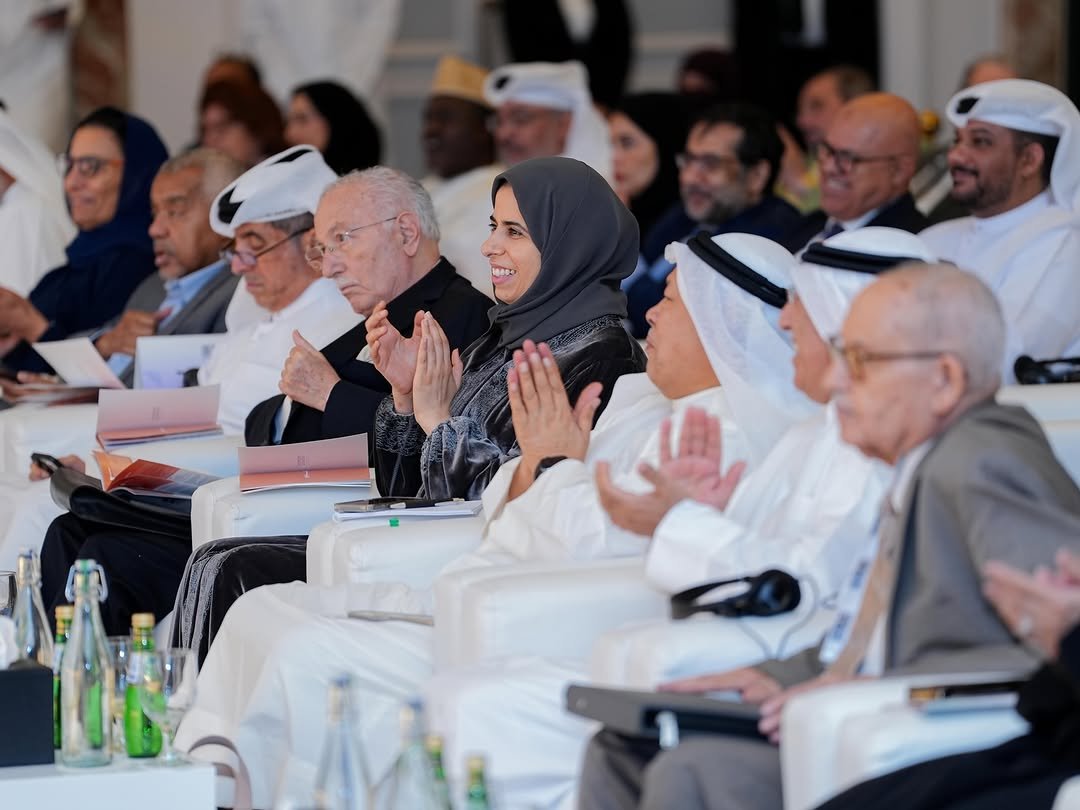
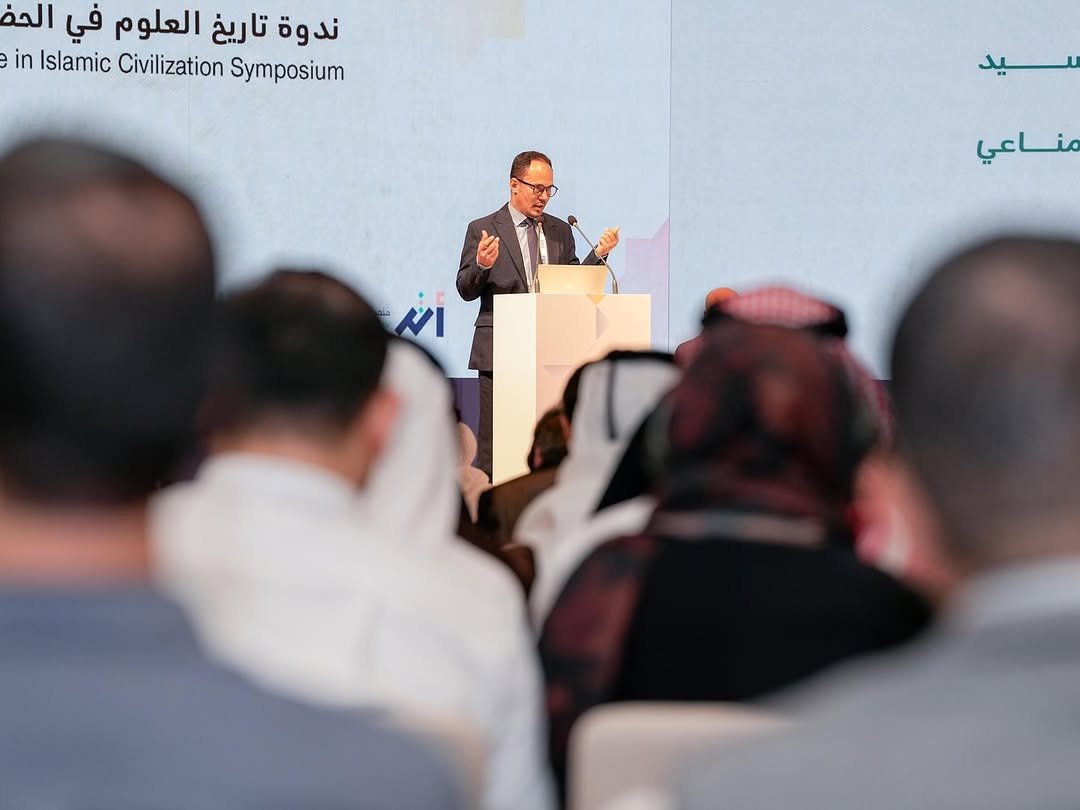
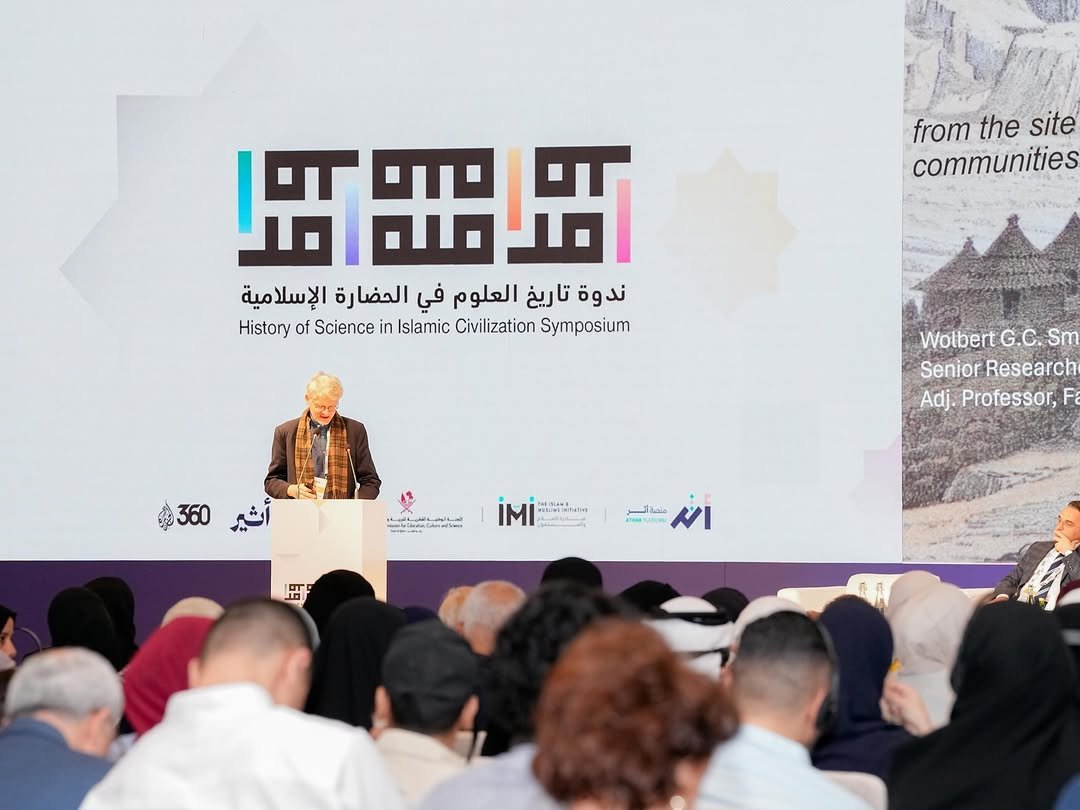
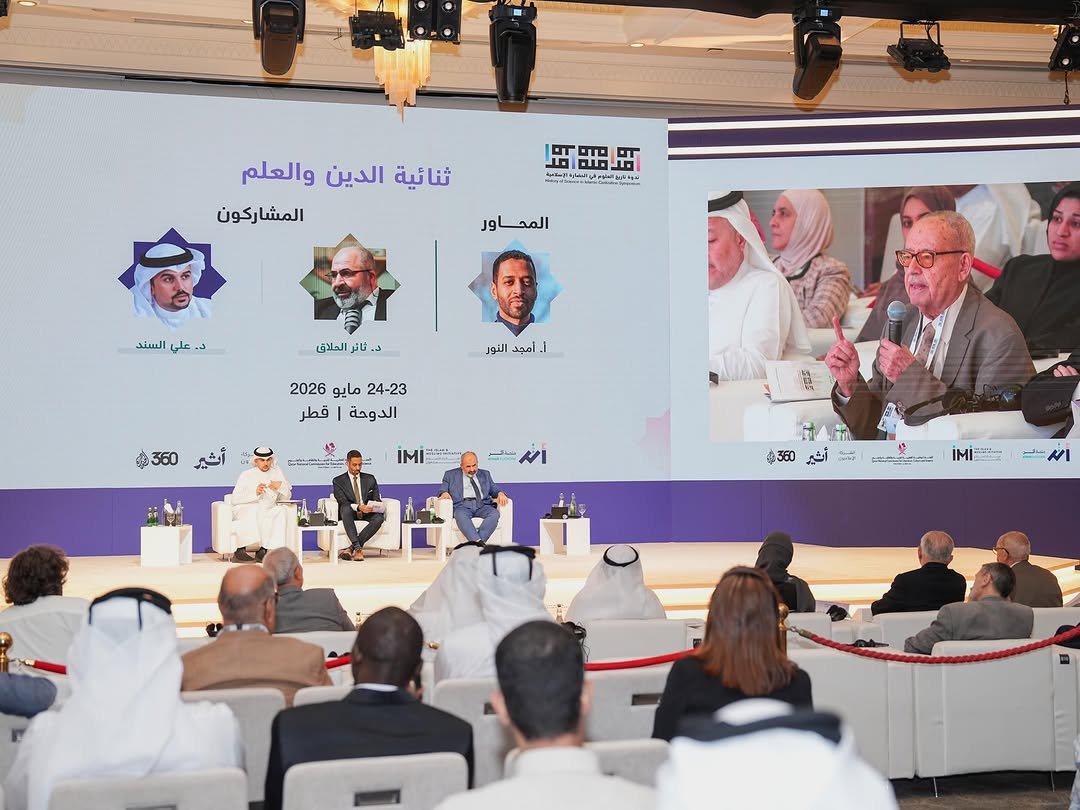
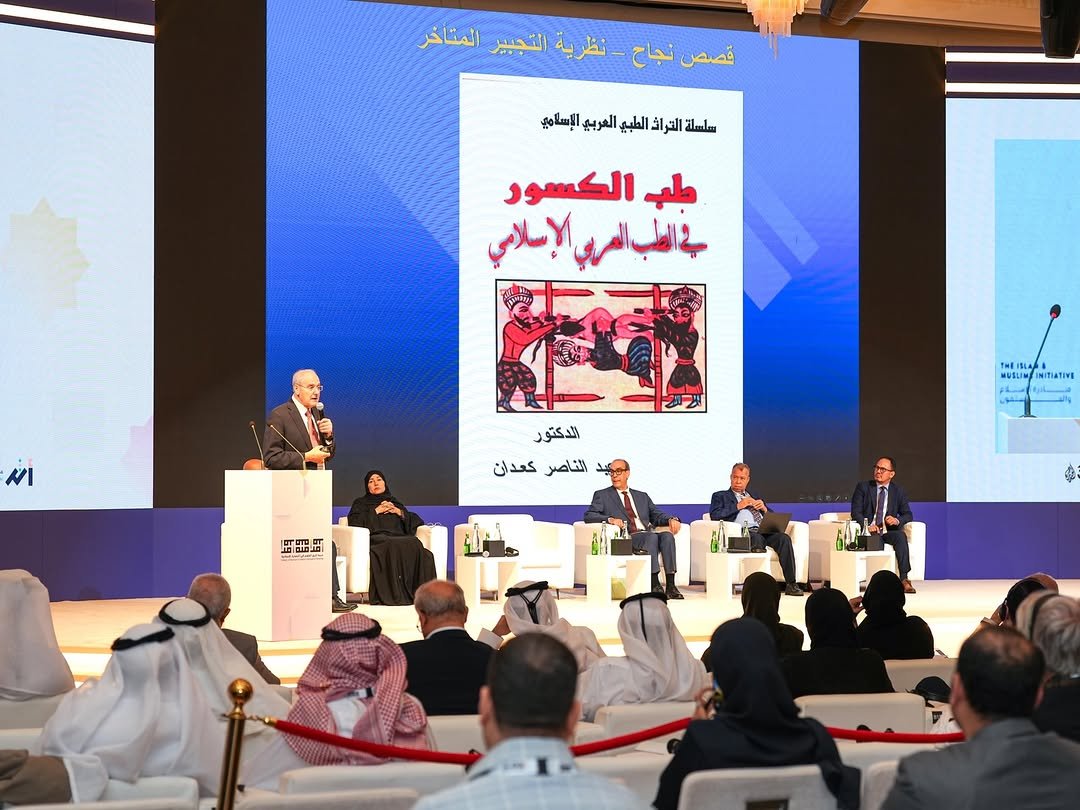
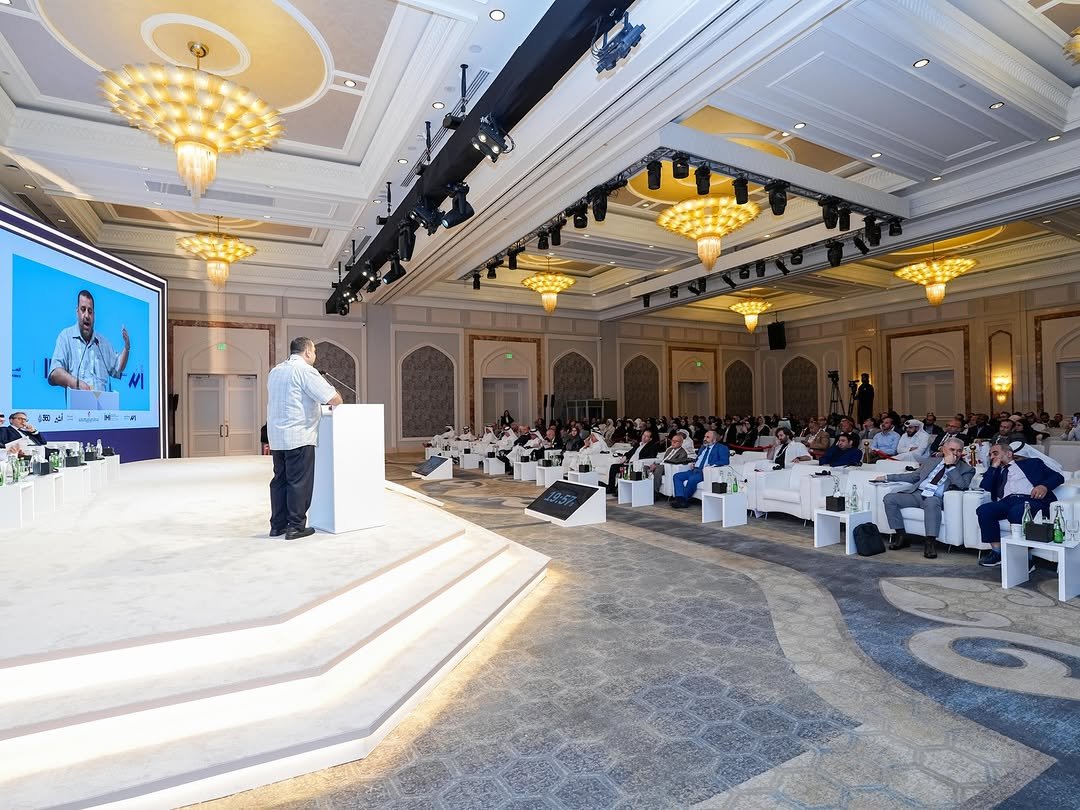
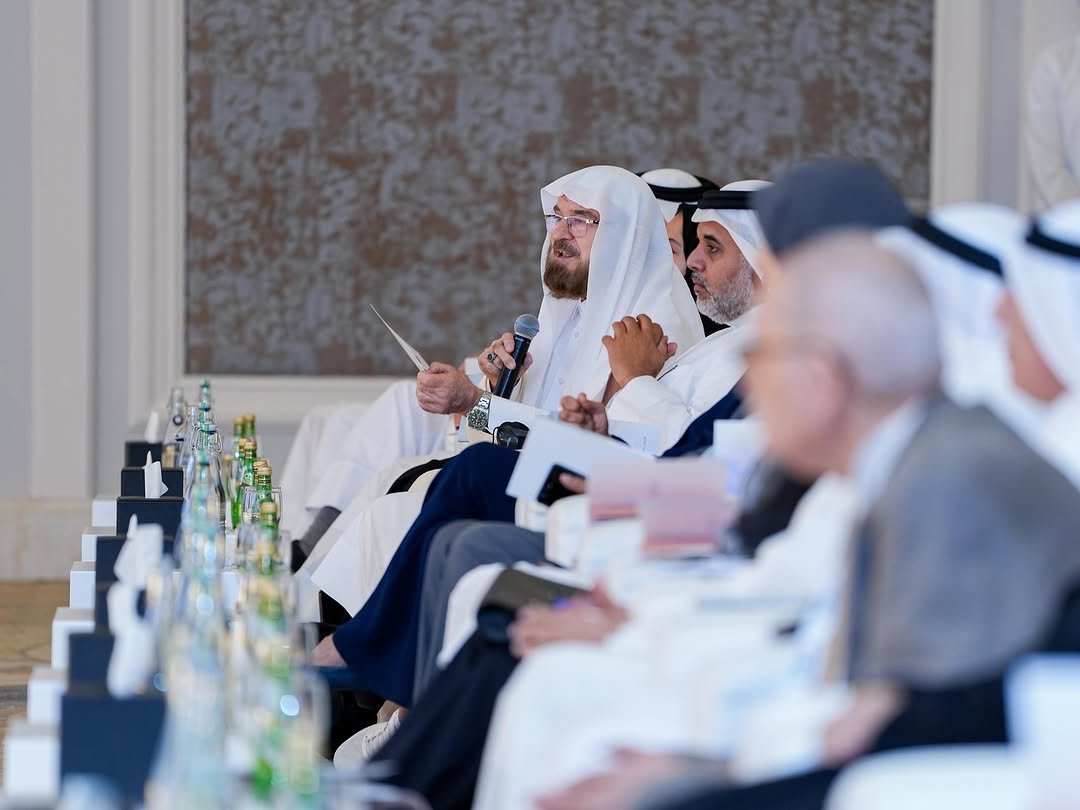
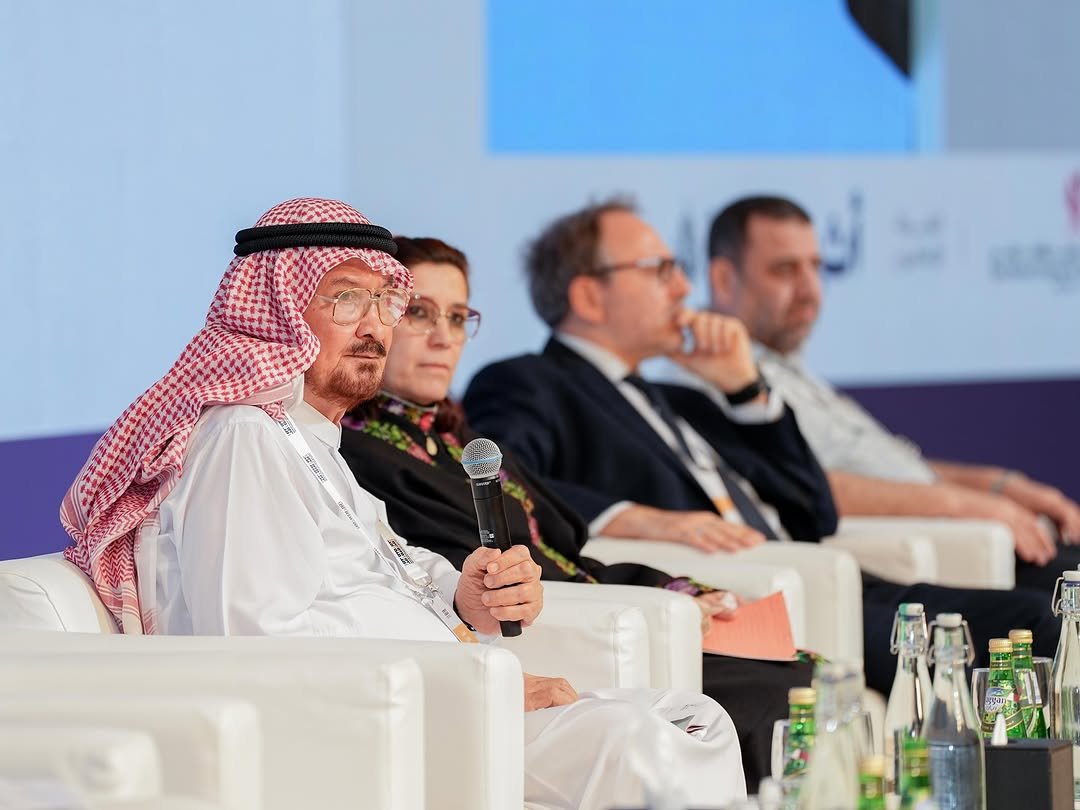
Participants highlighted the importance of reviving Arab and Islamic scientific heritage and shedding light on the historical contributions of Muslim scholars to the advancement of human civilization. Speakers stressed that studying the history of science not only deepens understanding of scientific development but also inspires future generations, strengthens cultural identity, and reinforces confidence in the nation’s ability to contribute to global scientific and intellectual progress.
The symposium also underscored how contemporary studies in the history of science have evolved into a multidisciplinary field that links scientific achievements with broader social, cultural, and intellectual contexts. Speakers noted that modern digital technologies and advanced indexing tools are helping reshape scientific analysis and historical research.
Head of the symposium’s scientific committee, Prof. Mahmoud Al-Hamza, opened the event by welcoming participants and expressing appreciation for the researchers’ contributions, while voicing hope that the symposium would achieve its academic and cultural objectives.
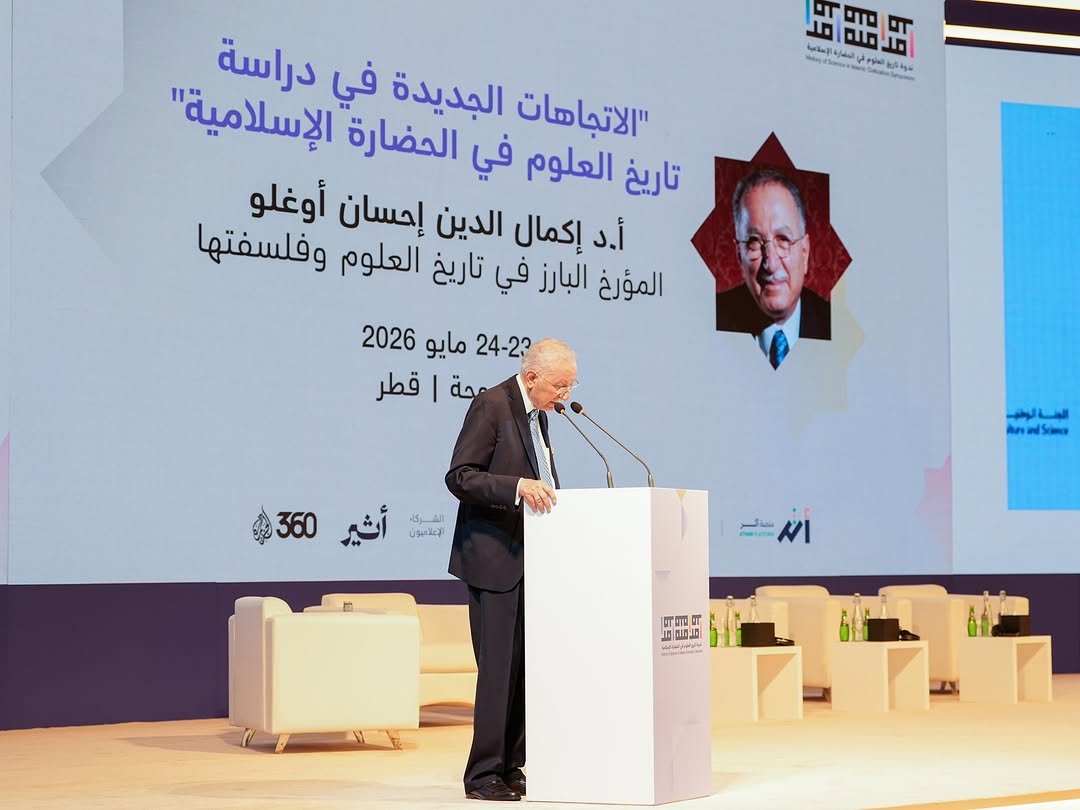
The keynote lecture was delivered by renowned historian Ekmeleddin Ihsanoglu, who discussed emerging trends in the study of the history of Islamic science.
The symposium features two parallel tracks. The academic track includes specialized sessions examining Islamic scientific thought, the transmission of ideas and knowledge to and from the Islamic world, and the history of medicine in Islamic civilization.
Meanwhile, the public track aims to simplify key learning outcomes for broader audiences through interactive discussions and dialogues. Highlights included a panel discussion titled “The Duality of Religion and Science” and an open conversation with educational consultant and thinker Dr. Ibrahim Al Khalifi.
The first day concluded at the main theater of the Doha International Book Fair with a well-attended discussion moderated by Dr. Fella Lahmar featuring Dr. Shoaib Malik on his book, Seven Classical Perspectives for Islam and Science. The session witnessed strong engagement from attendees and visitors to the fair.
The symposium continues on Sunday with discussions focusing on mathematics, astronomy, and the philosophy of science, amid growing interest in its academic and cultural outcomes.


