


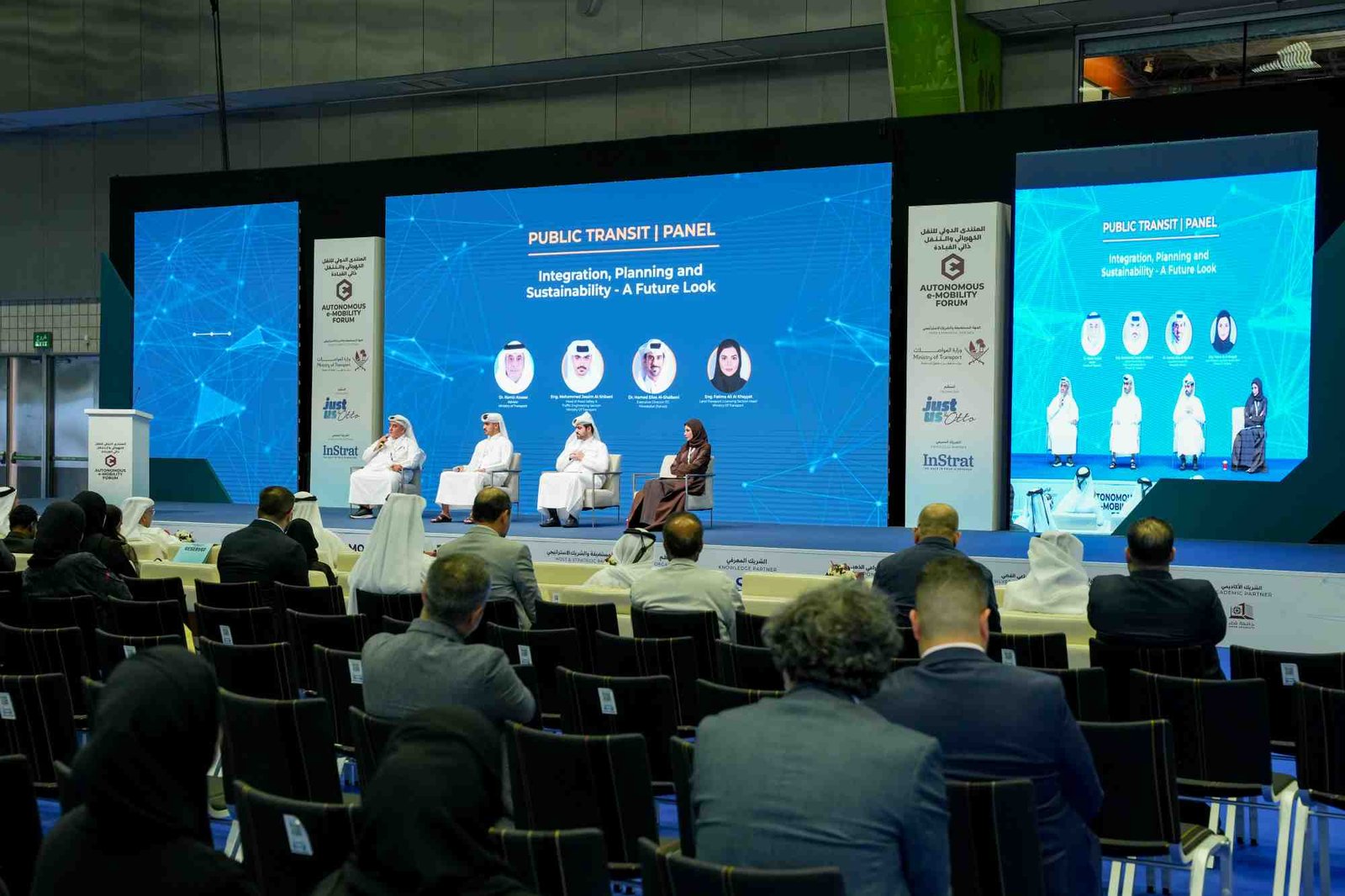
Doha: The second edition of the Autonomous e-Mobility Forum (AEMOB) 2026 concluded in Doha on Wednesday, bringing together government officials, industry leaders, researchers and technology innovators to explore how autonomous and electric mobility can shape the future of transportation.
Highlights
- AEMOB 2026 concluded in Doha after a three-day program at QNCC.
- 40+ international and regional speakers participated in the forum.
- More than 50 keynote sessions and panel discussions were held.
- Discussions covered 10 mobility and industry tracks.
- Experts examined autonomous vehicles, electric mobility and smart transportation.
- The agenda expanded to eVTOL aircraft, autonomous vessels and green ports.
- AI, cybersecurity, data privacy and ultra-fast charging were among the key technology topics.
- KAHRAMAA, Qatar University and UDST contributed to discussions and technical sessions.
- Safety, ethics, workforce development and future mobility careers were also addressed.
- The forum supports Qatar’s National Transport Strategy 2025–2030 and Qatar National Vision 2030.
Held at the Qatar National Convention Centre (QNCC), the three-day program featured a two-day conference followed by an ecosystem tour on September 9. The forum was hosted by the Ministry of Transport and organized by Just us & Otto Marketing Services.
The event provided a platform for experts from across the mobility ecosystem to exchange ideas on smart, sustainable and connected transportation, while examining the opportunities and challenges associated with the rapid development of autonomous and electric technologies.
Broad discussions on the future of mobility
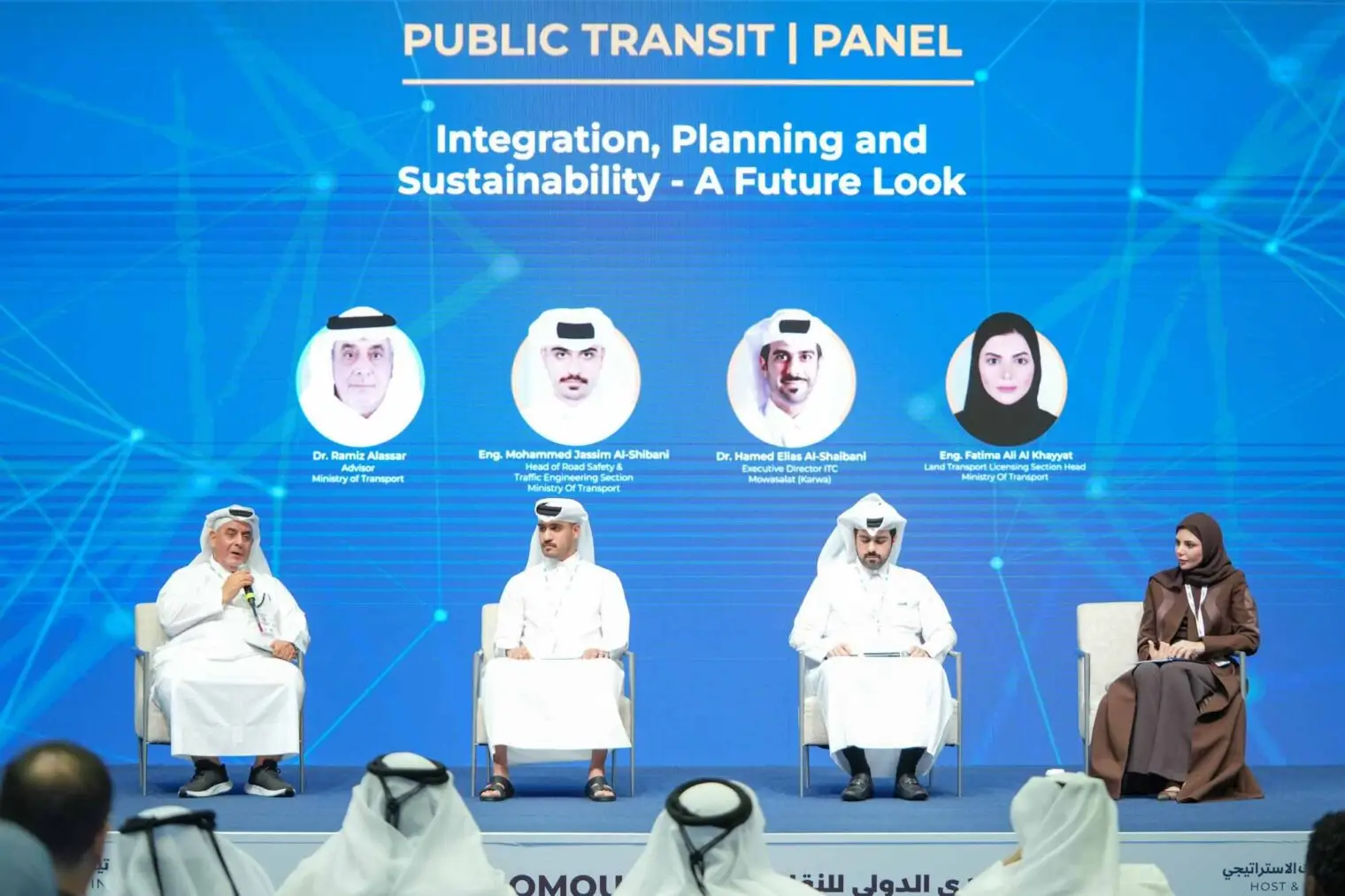
The forum’s agenda covered a wide range of emerging mobility technologies, from autonomous public transport and self-driving vehicles to electric aviation and maritime transportation.
Participants discussed the transition of autonomous vehicles from controlled environments to public roads, as well as developments in electric vertical take-off and landing (eVTOL) aircraft, autonomous vessels, green ports and the electrification of maritime transport.
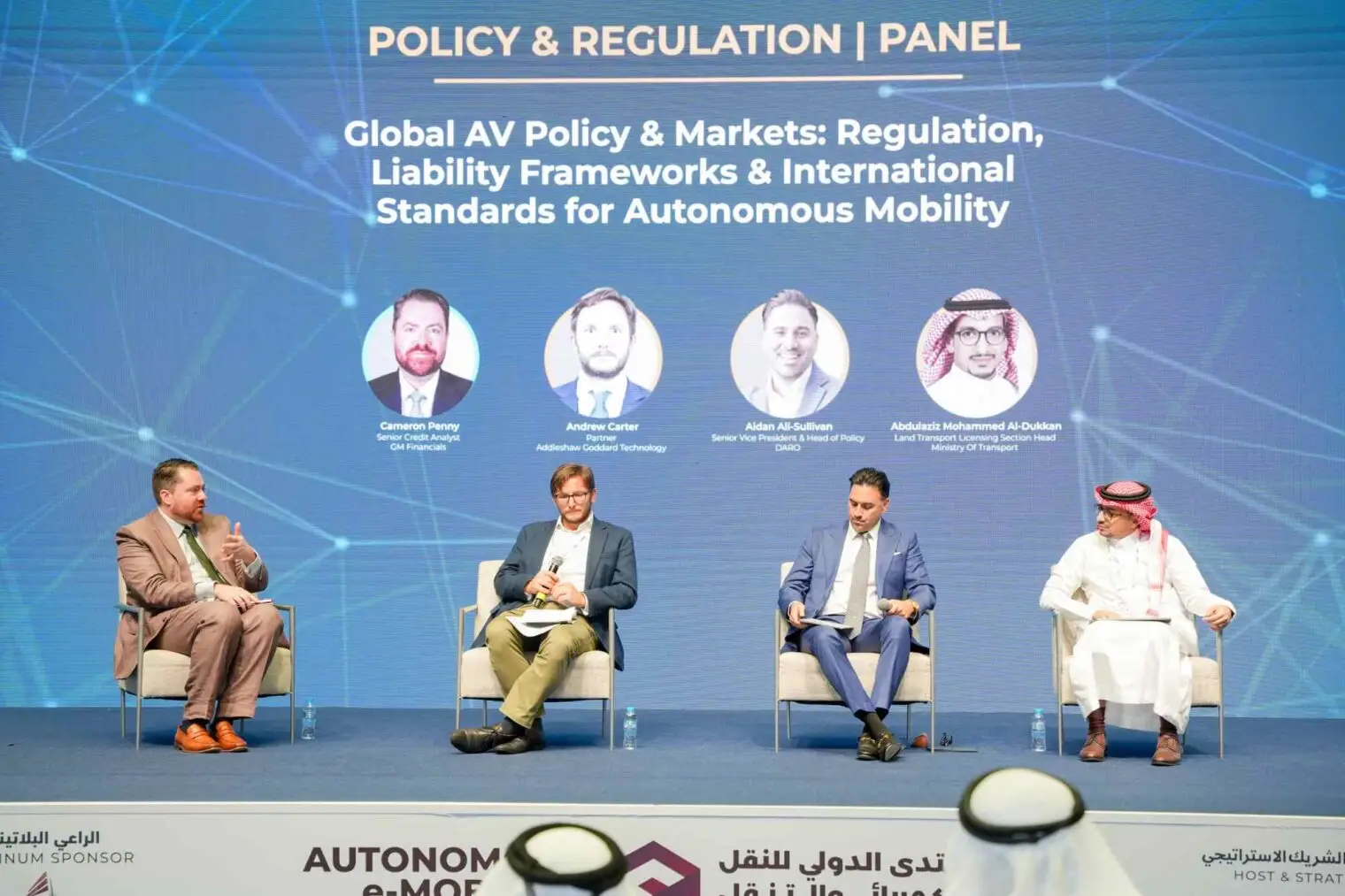
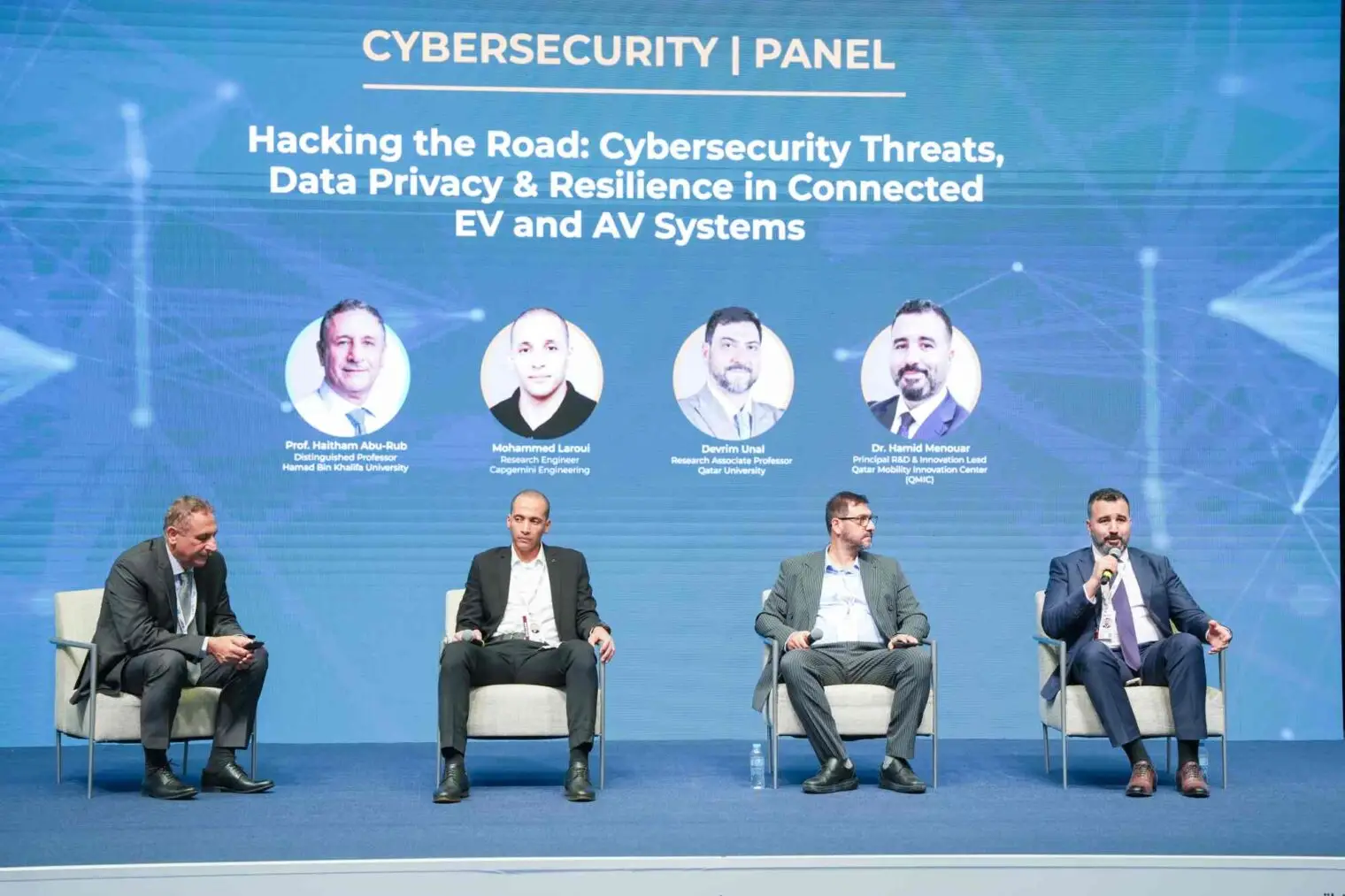
Other key topics included cybersecurity, data privacy, ultra-fast battery charging and the development of international policy and regulatory frameworks needed to support the responsible adoption of emerging mobility technologies.
Technical workshops also explored the integration of electric vehicle charging infrastructure with smart grids, including participation from the Qatar General Electricity and Water Corporation (KAHRAMAA). Sessions on AI-powered intelligent traffic systems and case studies from Qatar and other countries offered practical perspectives on deploying autonomous mobility solutions.
Education, safety and future skills in focus
The forum also highlighted the important role of education and workforce development in supporting the mobility transition.
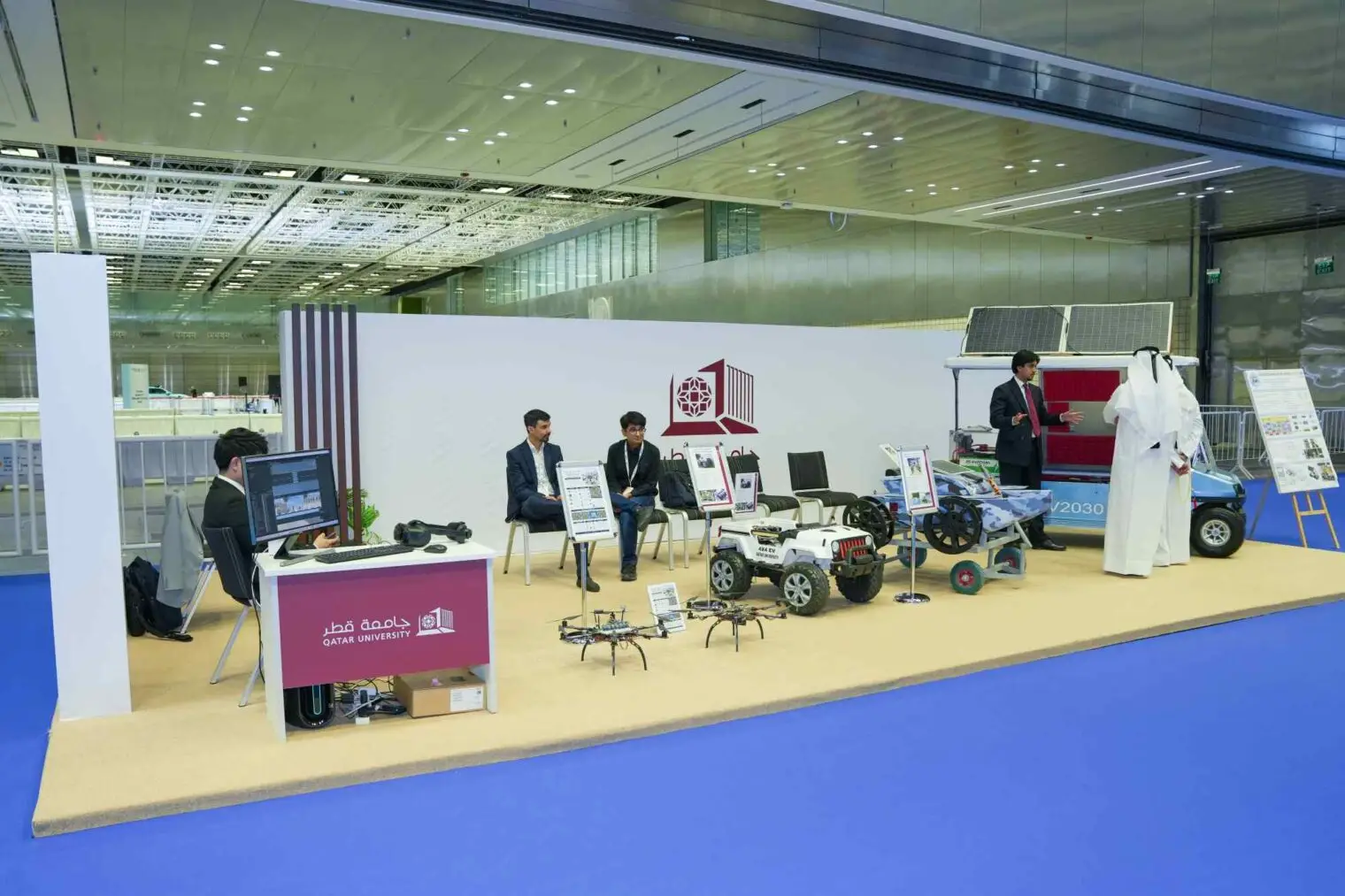
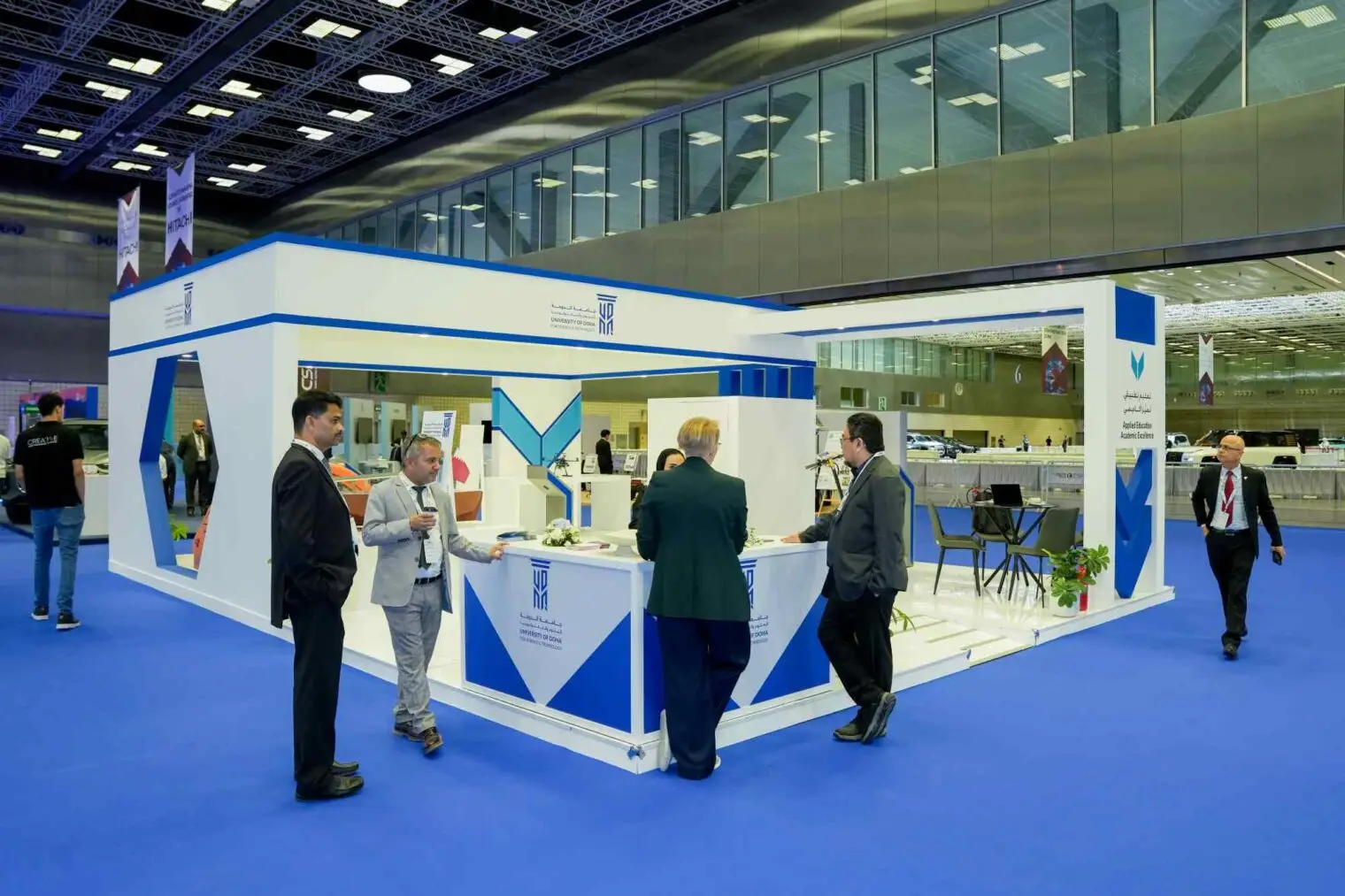
Qatar University and the University of Doha for Science and Technology participated in discussions focused on mobility technologies and their practical applications. Speakers and participants also examined the safety and ethical dimensions of autonomous vehicles, real-world electric vehicle ownership experiences in Qatar and the skills that will be required as the sector expands.
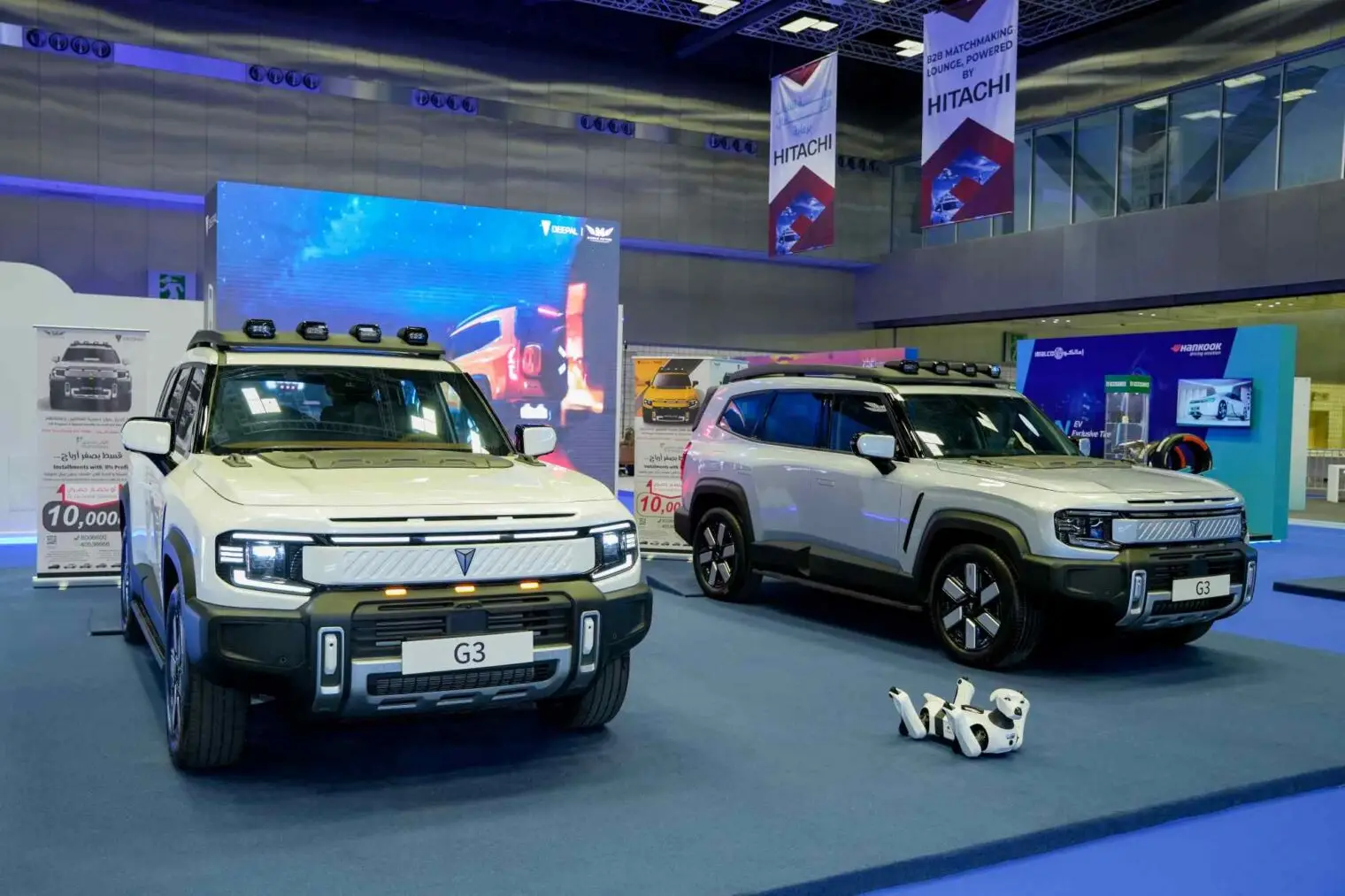
Interactive discussions explored future career opportunities in autonomous mobility and the need to prepare technicians, engineers and other professionals for increasingly technology-driven transport systems.
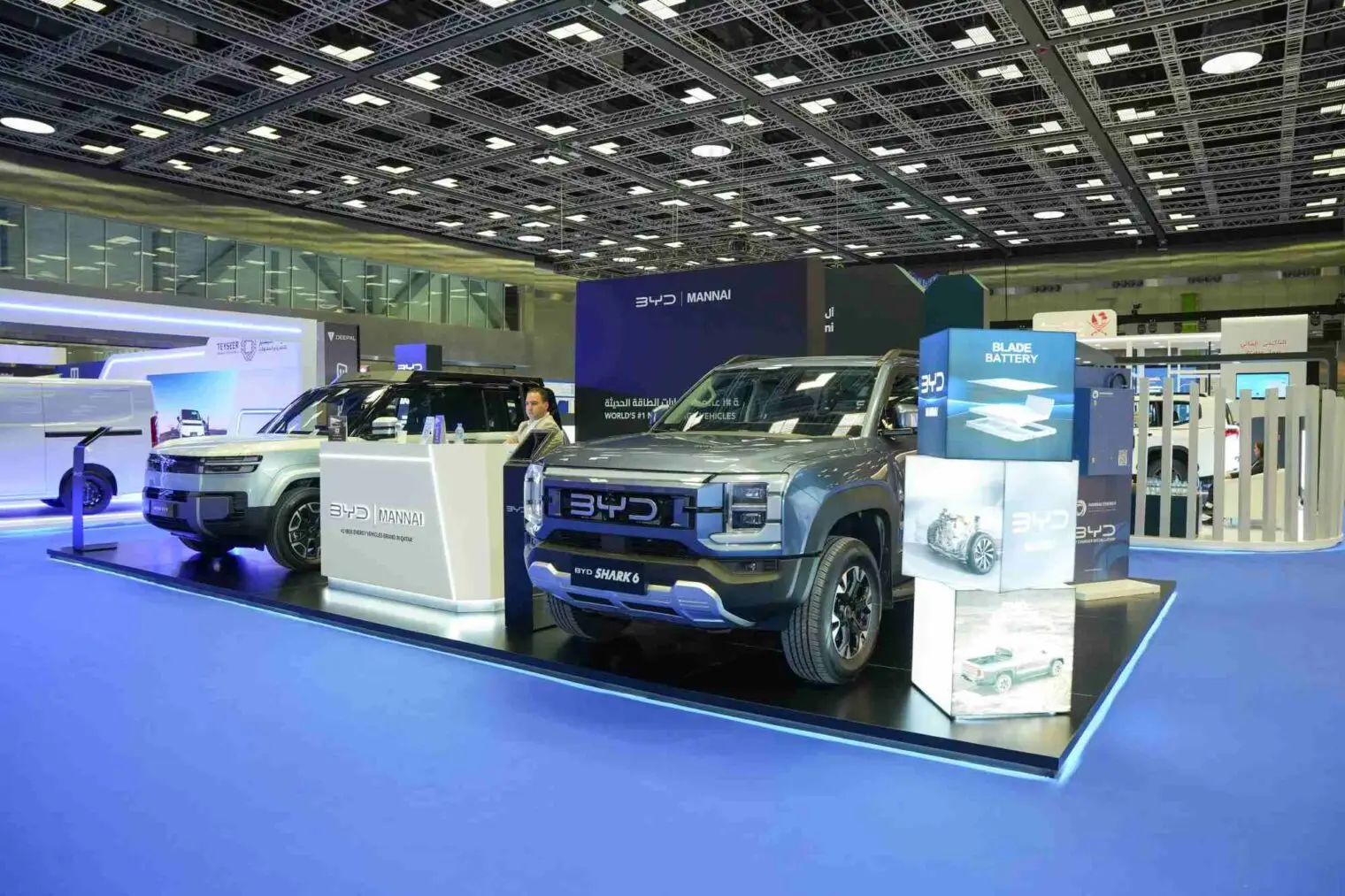
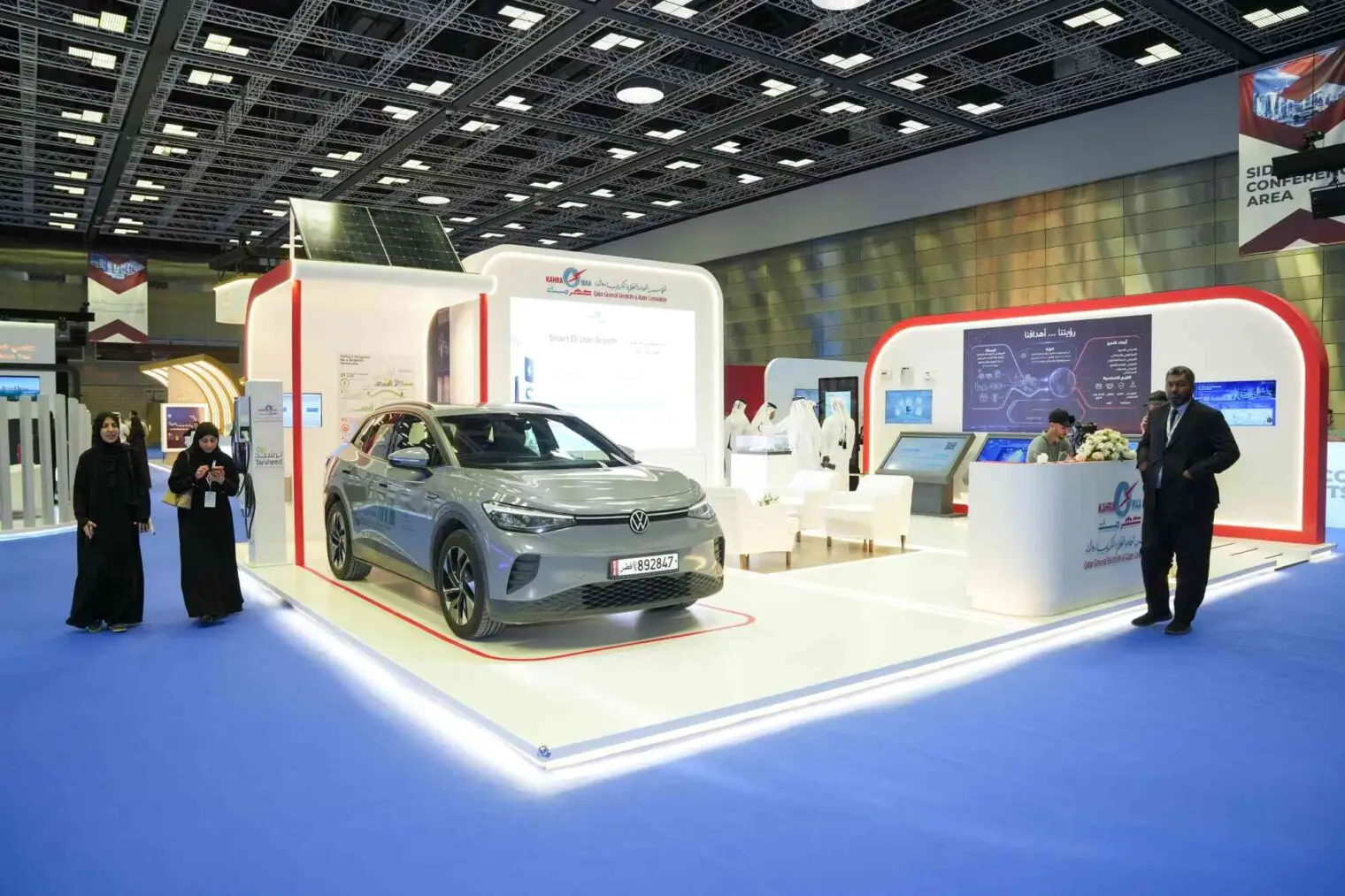
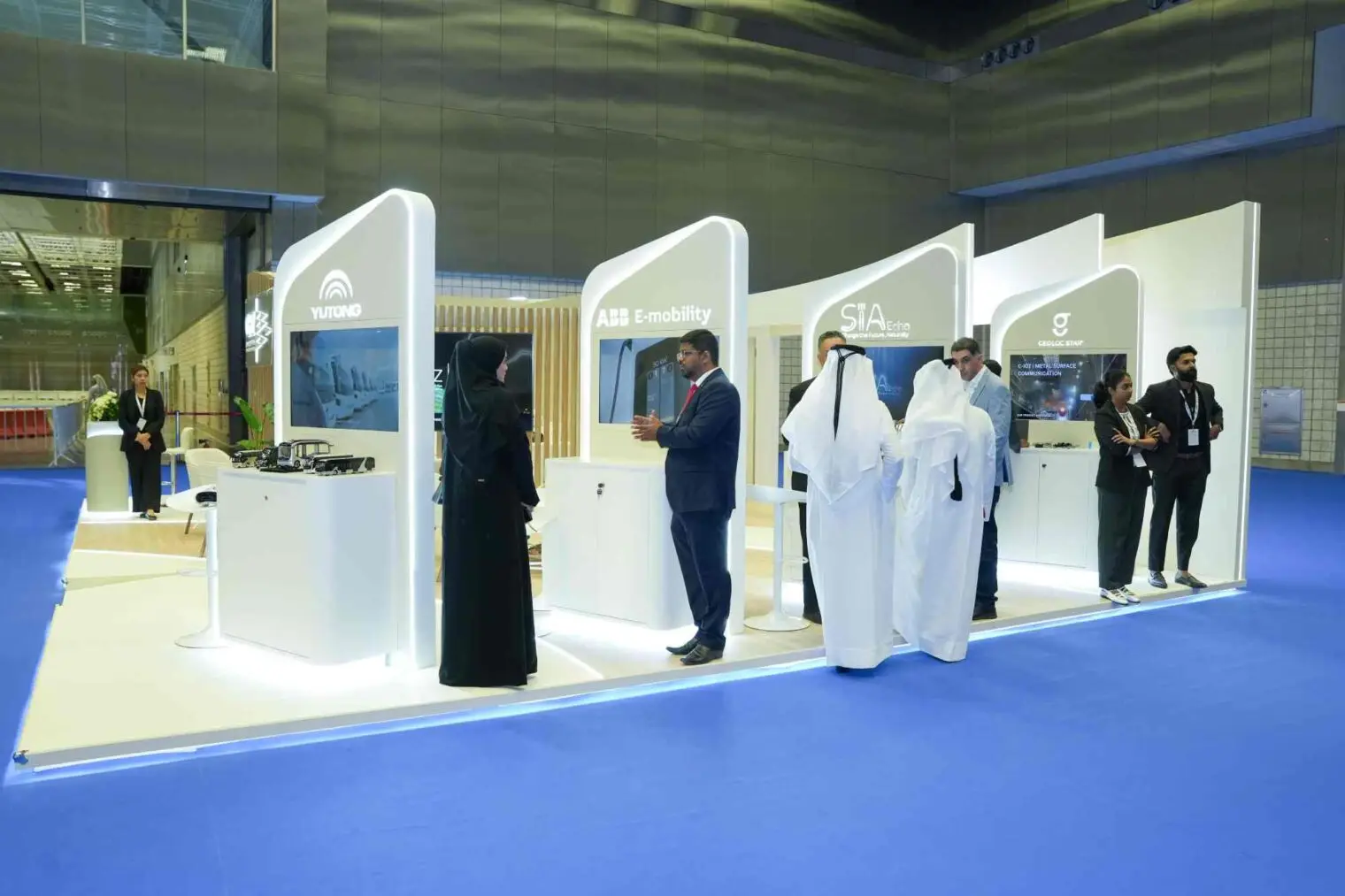
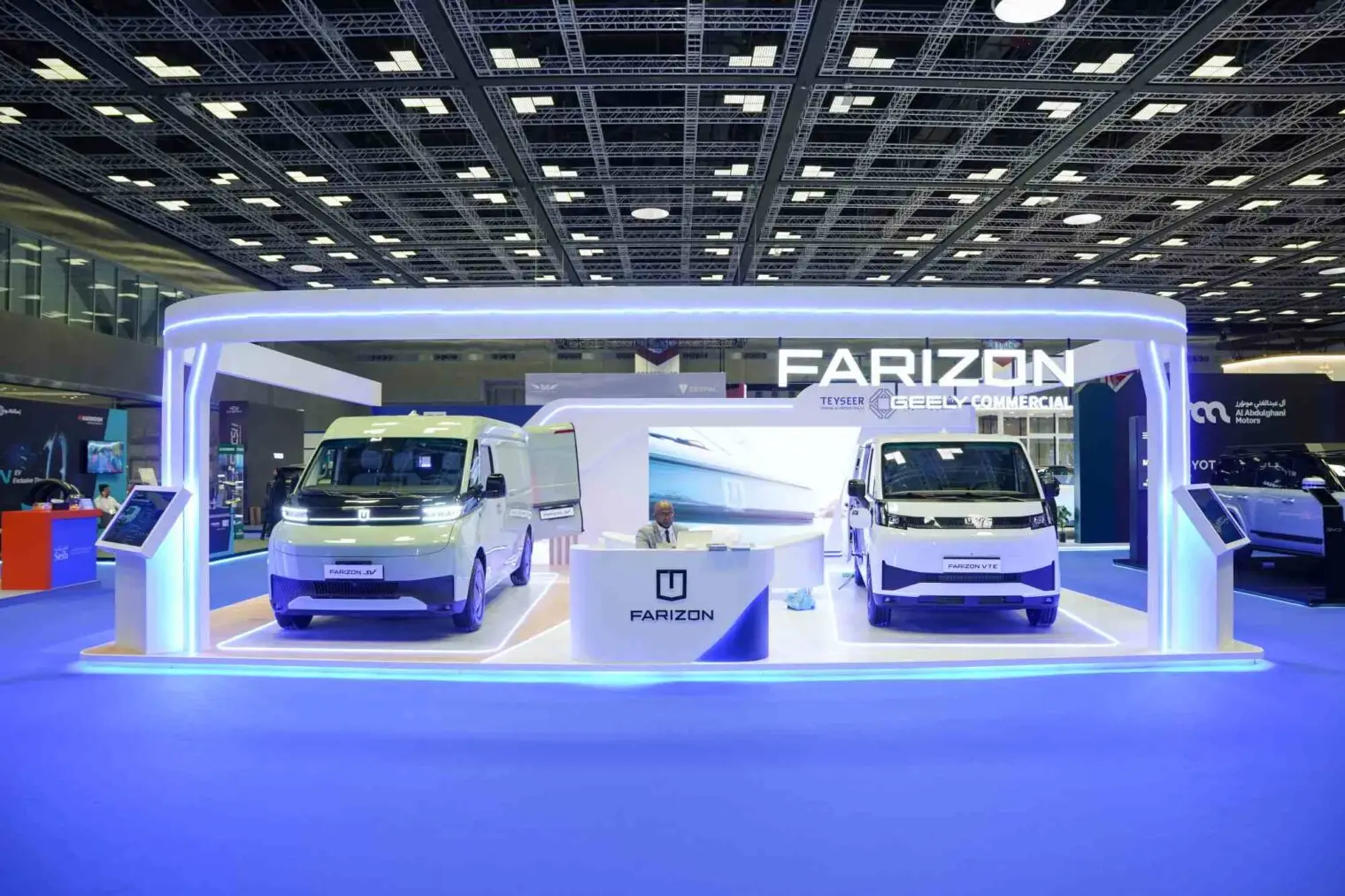
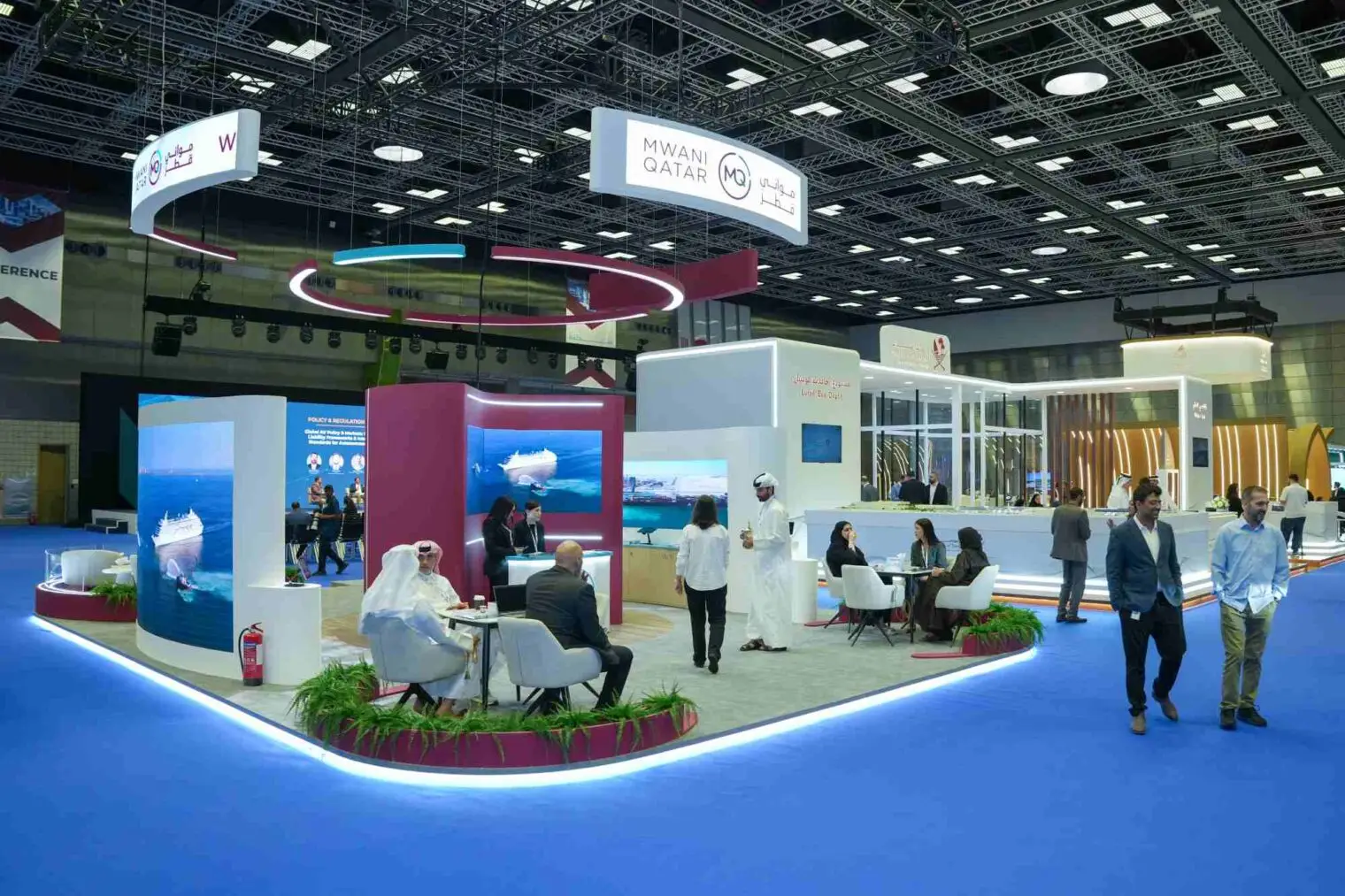
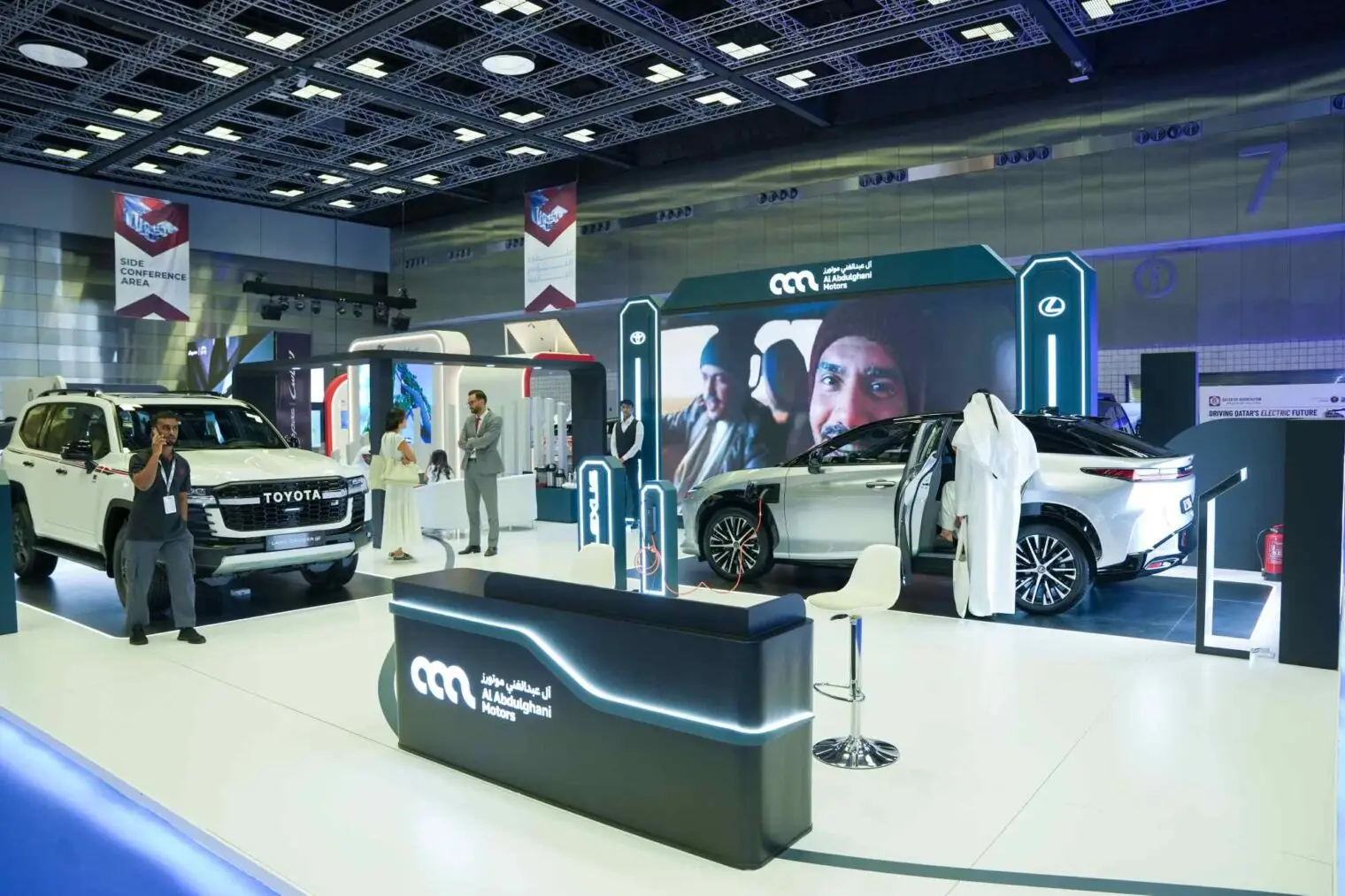
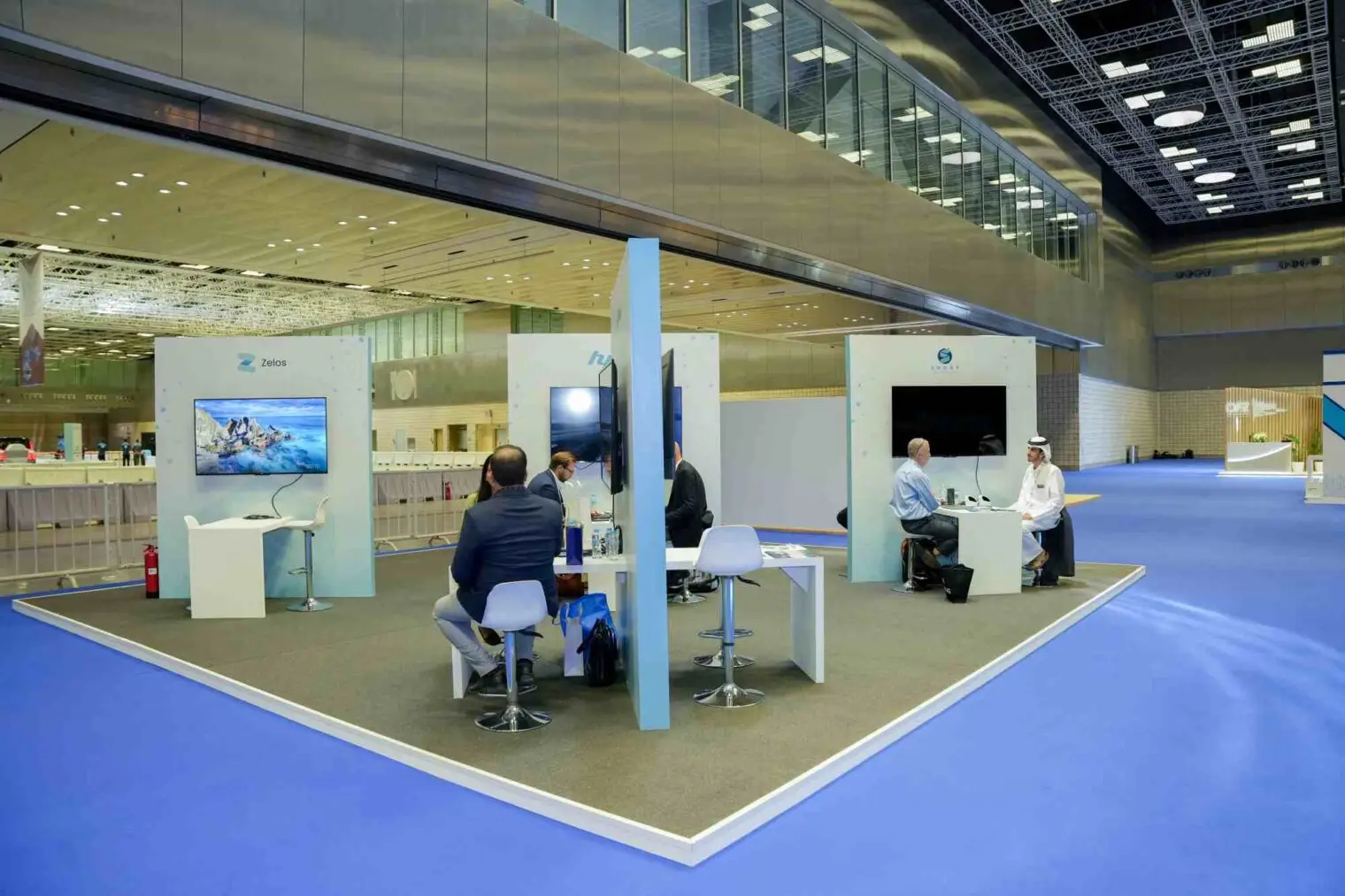
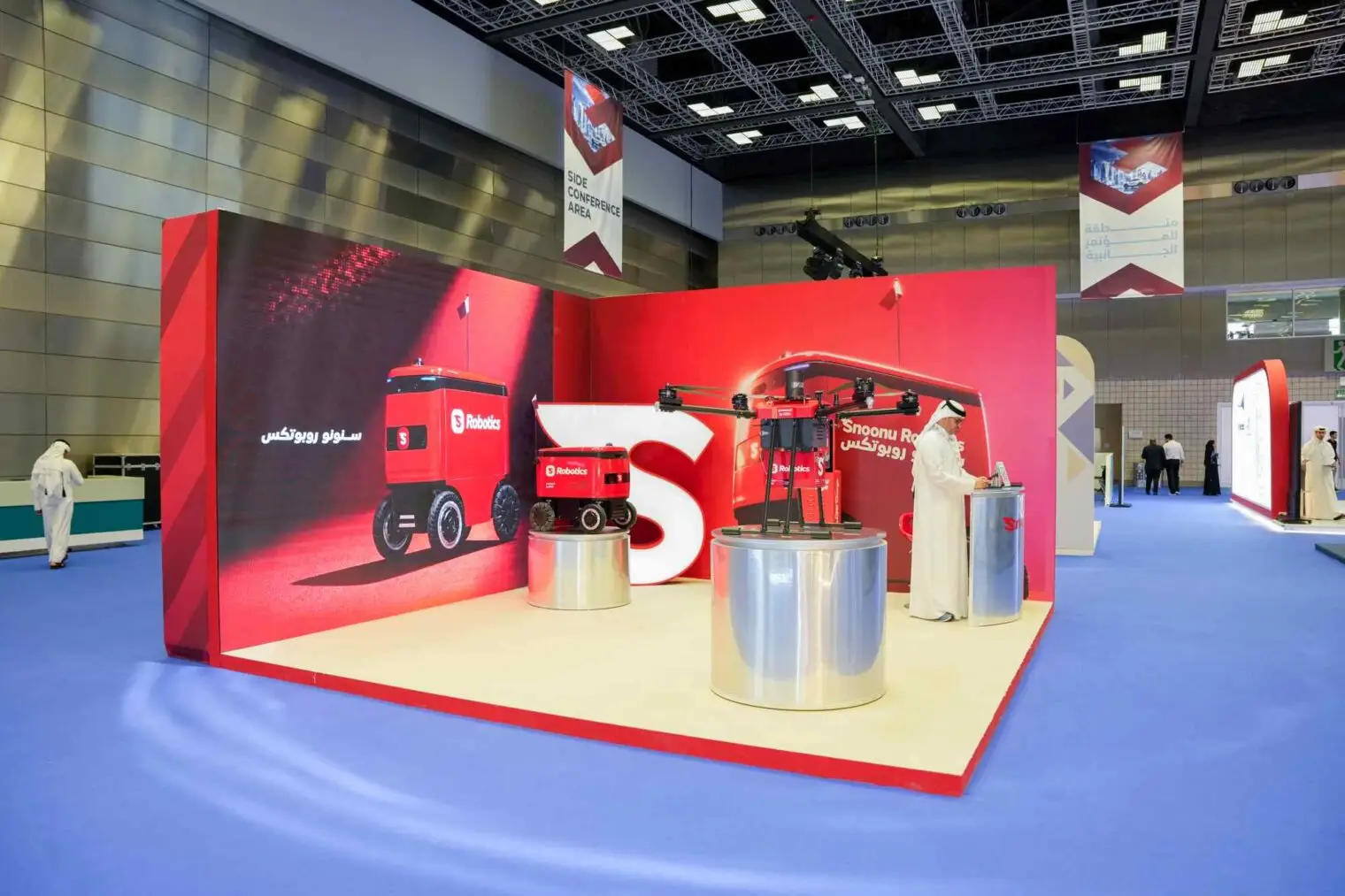
A larger second edition
The 2026 edition marked a significant expansion from the forum’s inaugural event, featuring more than 40 international and regional speakers representing government, industry, academia, technology and research.
The programme included more than 50 keynote sessions and panel discussions across 10 dedicated mobility and industry tracks, covering the key developments influencing the future of transportation.
Supporting Qatar’s transport ambitions
Opening the forum, Ministry of Transport Undersecretary Mohammed bin Abdullah Al Ibrahim Al Maadheed highlighted the transformation of the transport sector, describing it as a strategic pillar of national development that contributes to economic competitiveness and quality of life.
He noted that electric mobility and automated driving systems are helping shape the next generation of transportation, while stressing the importance of a comprehensive approach and strong cooperation between the public and private sectors in managing the transition.
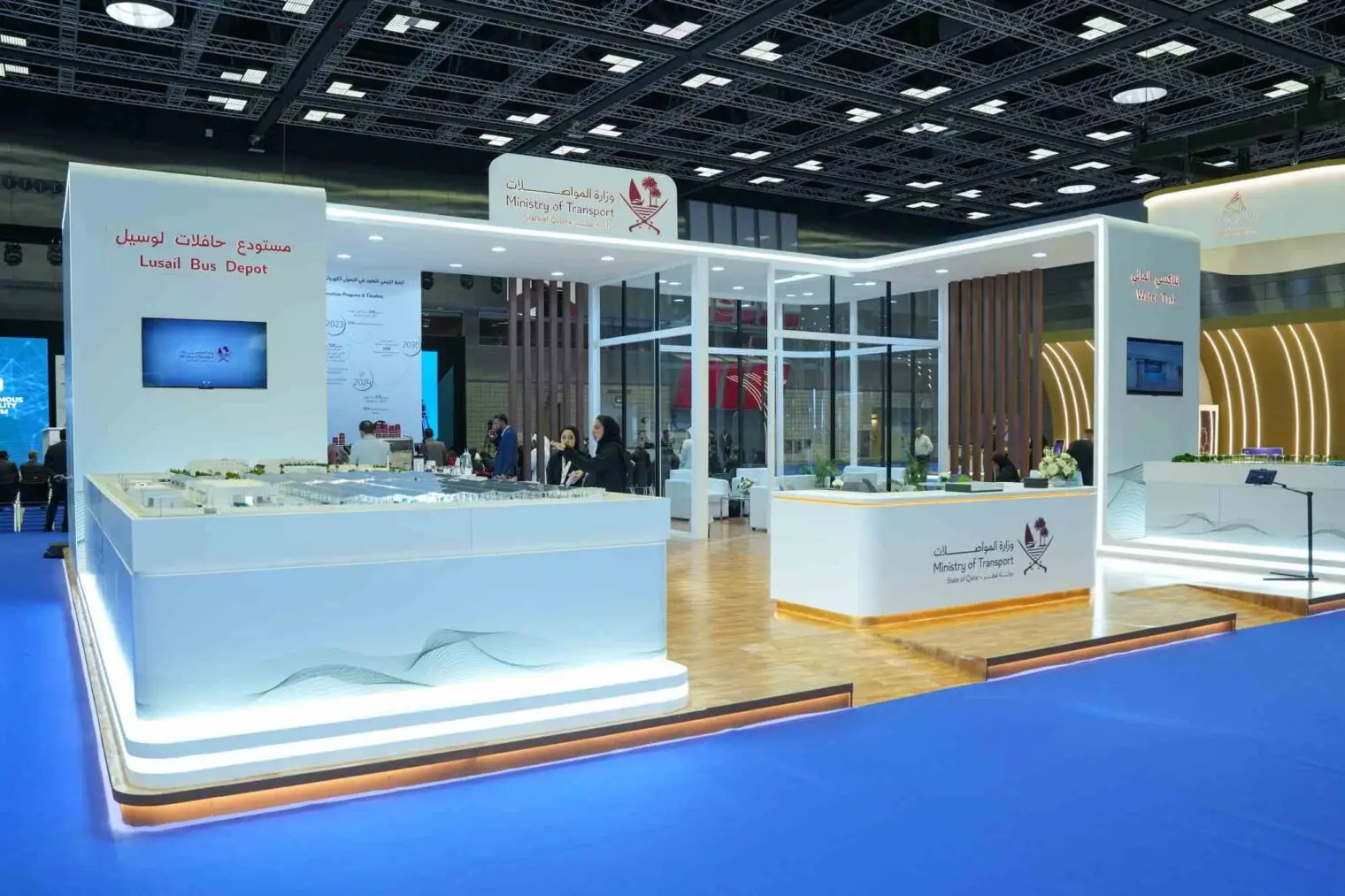
AEMOB 2026 was held under the patronage of Minister of Transport H.E. Sheikh Mohammed bin Abdulla bin Mohammed Al Thani, with the Ministry of Transport serving as host and strategic partner.
The forum also supported Qatar’s broader mobility ambitions under the National Transport Strategy 2025–2030, which is aligned with the objectives of Qatar National Vision 2030.
With the conclusion of its second edition, AEMOB further strengthens Doha’s position as a platform for regional and international dialogue on the future of autonomous and electric mobility – connecting innovations across land, sea and air.
Photos: Prasad | Video: Raju Ravi