


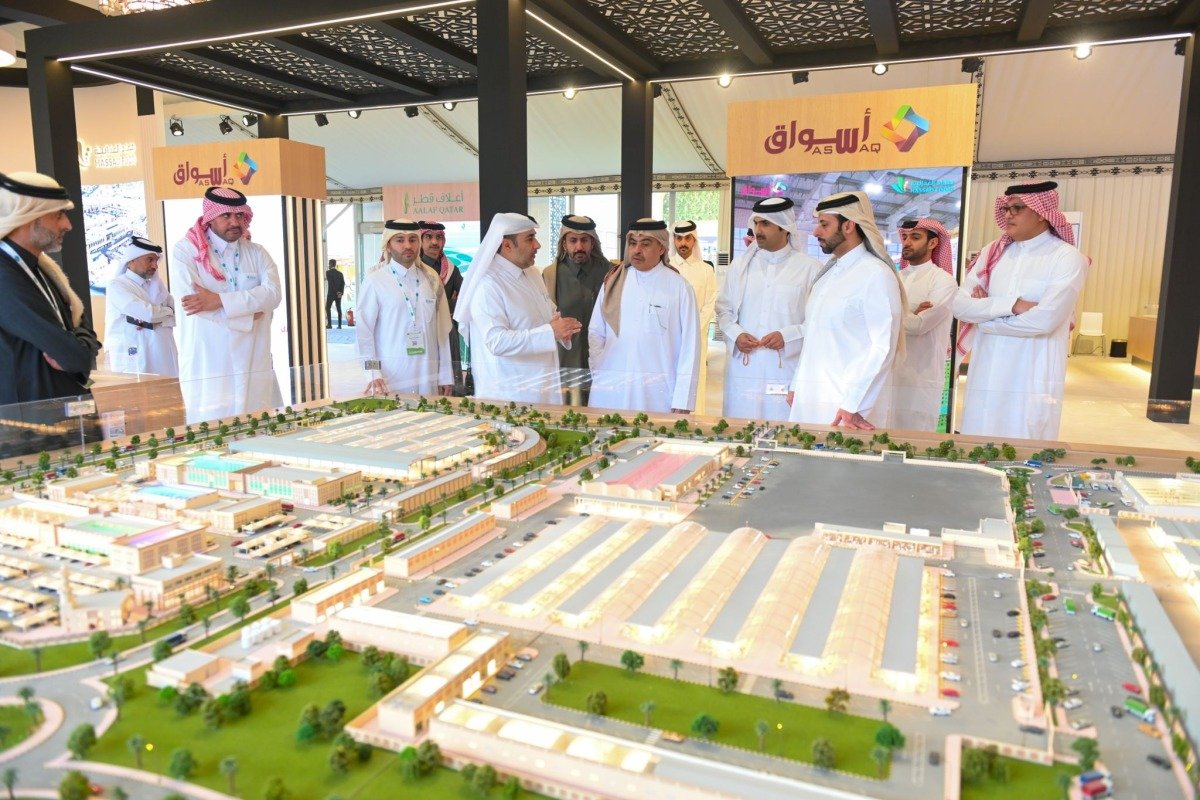
Doha: The 12th Qatar International Agricultural Exhibition – AgriteQ 2025 was held from 4 to 8 February 2025 at the Katara Cultural Village Foundation in Doha, marking the largest and most successful edition in the event’s history. Organized under the patronage of HE Sheikh Mohammed bin Abdulrahman bin Jassim Al Thani, Prime Minister and Minister of Foreign Affairs of Qatar, the exhibition brought together stakeholders from across the globe to promote agricultural innovation, sustainability, and food security, aligned with the Qatar National Vision 2030.
A Growing Platform on the Global Stage
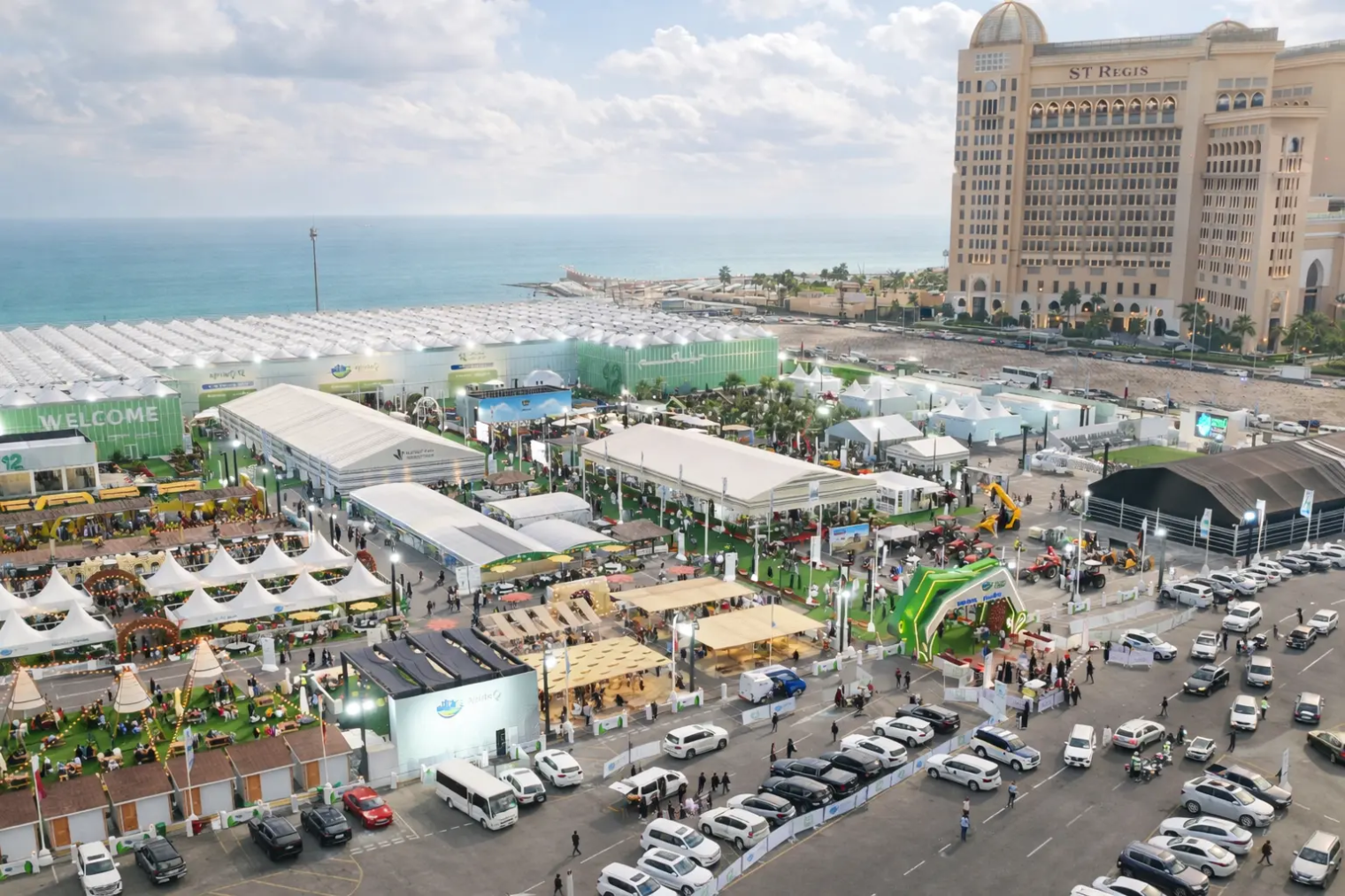
AgriteQ 2025 expanded significantly in scale, occupying over 35,000+ square metres of exhibition space and drawing unprecedented participation from the agricultural sector. The event welcomed close to 97,000 visitors, including industry professionals, government officials, local farmers, school students, and global experts, reflecting both public enthusiasm and institutional commitment to advancing agriculture in Qatar and beyond.
With participation from 29 countries, the event featured 300–356 exhibitors across a range of agricultural disciplines, including plant activities, livestock, horticulture, aquaculture, modern irrigation systems, and agri-tech solutions. Local representation was particularly strong, with 114 Qatari farms showcasing produce and innovations in sustainable agriculture, honey, dates, flowers, and other goods.
The United Arab Emirates’ Ministry of Climate Change and Environment was honoured as the guest of honour, symbolizing deepening regional collaboration in agricultural development and food security efforts.
Focus on Innovation and Knowledge Sharing
AgriteQ 2025 was far more than a trade show — it was a comprehensive platform for dialogue, education, and strategy. Over 50 workshops, seminars, and panel discussions took place, where experts addressed cutting-edge topics such as smart agriculture technologies, biotechnology in farming, irrigation and water management, precision farming, biological pest control, and genomics in crop improvement.
Among the highlights was the Biotechnology Forum, a series of sessions dedicated to exploring how genetic research, microbial solutions, and natural pest control methods can enhance sustainability and reduce reliance on chemical inputs. Researchers from Qatar University and the Ministry of Municipality presented findings on plant disease resistance, soil health, and ecological pest management, underscoring the potential of science-driven approaches to elevate agricultural productivity.
Interactive panels also emphasized the role of artificial intelligence, digital agriculture, and biochar technology for improved soil fertility and carbon sequestration, illustrating how emerging tools can transform farming practices in challenging environments like the Gulf.
Empowering Local Farmers and Strengthening Food Security
A central theme of AgriteQ 2025 was the empowerment of local farmers through exposure to innovative technologies and best practices. Agricultural leaders highlighted the show’s role in enabling farmers to exchange successful experiences, adopt modern techniques, and forge international partnerships that will drive future growth in Qatar’s agricultural sector.
The exhibition took place alongside the recent launch of the National Food Security Strategy 2030, a policy framework designed to strengthen Qatar’s self-sufficiency and resilience in the face of global food challenges. Through initiatives that boost local production, enhance supply chain efficiency, and embrace sustainable practices, the nation has already achieved impressive gains — including a 50 % increase in fresh vegetable output and high self-sufficiency rates in dairy, poultry, and eggs over the past five years.
By facilitating exchange between international innovators and domestic producers, AgriteQ 2025 solidified its role as a cornerstone in Qatar’s strategy to build a robust, future-ready agricultural ecosystem that can withstand climate change pressures and meet rising consumer demands.
Promoting Sustainability and International Collaboration
The exhibition’s emphasis on sustainability was evident in both its content and its collaborative spirit. Leaders from government, academia, and industry stressed the need for environmentally responsible solutions — from water-efficient irrigation to organic farming and renewable energy applications — as essential elements of modern agriculture.
AgriteQ also fostered dialogue on international cooperation, reinforcing Qatar’s commitment to shared progress in food security at regional and global levels. The presence of diplomatic missions, multinational exhibitors, and high-level guests underscored the exhibition’s significance as a venue for forging strategic partnerships across borders.
Legacy and Future Outlook
As AgriteQ 2025 concluded, organizers and participants alike hailed the event as a watershed moment for Qatar’s agricultural sector. The successful integration of innovation, education, and international engagement illustrated the exhibition’s maturation into a premier global forum for agricultural advancement.
Looking ahead, the momentum generated by this year’s edition will likely influence future strategies in sustainable agriculture, food security planning, and technological adoption, positioning Qatar as a leader in addressing the complex challenges facing food systems in the 21st century.
Photo Courtesy: AgriteQ