


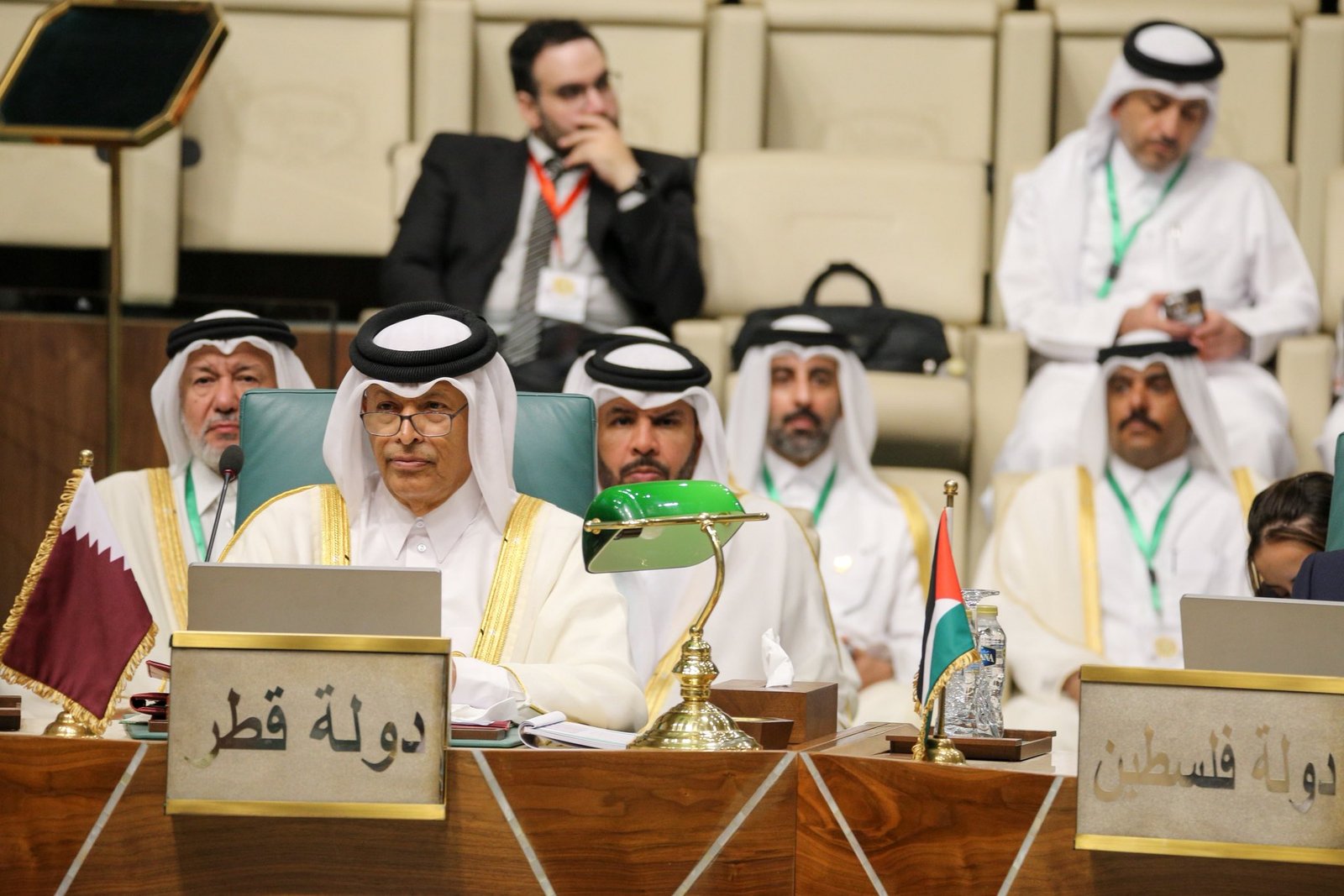
- Digital Agenda 2030: Qatar is accelerating efforts to strengthen digital sovereignty and national security through updated legislation and the implementation of Digital Agenda 2030 under the directives of HH the Amir.
- Arab digital cooperation: Al Ghanim called for unified Arab legislation to support AI, data localization, secure cloud infrastructure and the protection of digital privacy and cultural identity.
- Dialogue-based diplomacy: He reaffirmed Qatar’s commitment to resolving conflicts through dialogue, diplomacy and respect for state sovereignty.
- Regional mediation: The Speaker highlighted Qatar’s role, alongside Pakistan and regional partners, in facilitating US-Iran negotiations through successful mediation efforts.
- Palestine and Arab Parliament: He urged stronger parliamentary support for the Palestinian cause while calling for reforms to enhance the Arab Parliament’s governance, transparency and institutional effectiveness.
Cairo, Egypt: HE Speaker of the Shura Council Hassan bin Abdullah Al Ghanim affirmed that Qatar is pressing ahead with strengthening its digital sovereignty and national security through updated legislation and the implementation of the Digital Agenda 2030, in line with the directives of HH the Amir Sheikh Tamim bin Hamad Al-Thani.
Speaking at the 8th Conference of the Arab Parliament and Speakers of Arab Councils and Parliaments in Cairo, Al Ghanim said Qatar remains committed to a foreign policy based on dialogue, diplomacy and respect for the sovereignty of states as the most effective path to resolving conflicts and promoting regional security and stability.
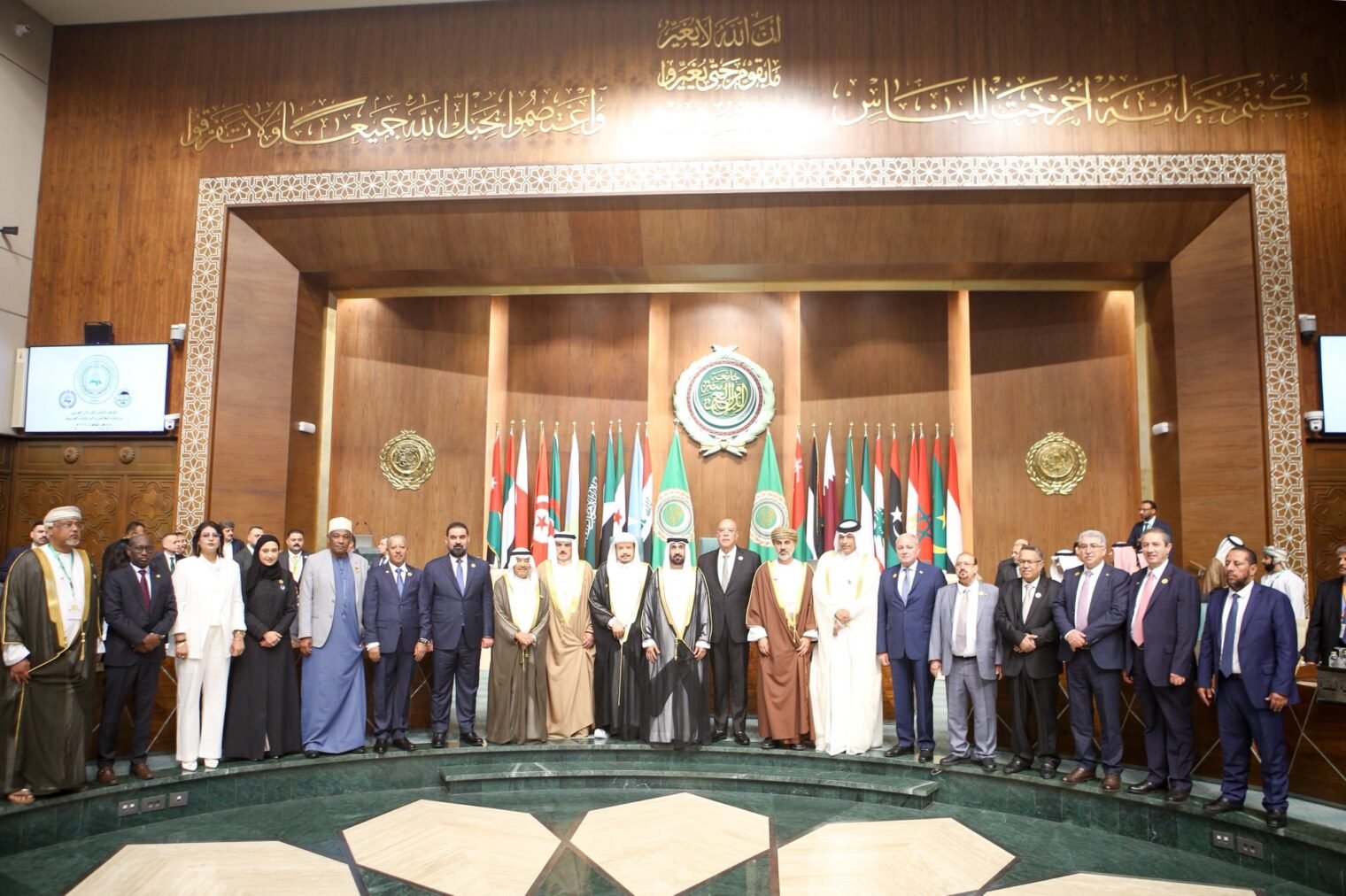
The conference discussed key regional issues, including Arab digital sovereignty, regional security and stability, and the Palestinian cause.
Addressing the rapid pace of digital transformation and advances in artificial intelligence, Al Ghanim stressed that Arab countries must modernize their legislation to safeguard national privacy, personal data, identity and cultural values. He highlighted Qatar’s Digital Agenda 2030 as an integrated national framework aligned with Qatar National Vision 2030, noting that the United Nations has recognized the initiative among best governance practices.
He called for a unified Arab parliamentary vision to develop legislation and policies that strengthen the region’s digital infrastructure, promote data localization, secure cloud computing, expand investment in AI technologies and ensure digital development respects the privacy and identity of Arab societies.
On regional security, Al Ghanim reaffirmed Qatar’s longstanding position that respecting the sovereignty of states and strengthening Arab solidarity are essential for regional stability. He said Qatar’s diplomacy has contributed to resolving several regional and international disputes through dialogue and mediation.
The Speaker also referred to the recent success of Qatari mediation, supported by regional partners, in facilitating the signing of a memorandum of understanding between the United States and Iran, leading to the launch of negotiations through joint Qatari-Pakistani mediation.
He warned that recent regional developments have exposed significant challenges to both regional and international security, underscoring the need for a unified Arab parliamentary position that promotes peaceful solutions and prevents further conflicts that could threaten regional stability and global energy security.
Reaffirming Qatar’s support for the Palestinian cause, Al Ghanim described it as the foremost Arab issue. He urged Arab parliaments to adopt stronger positions in support of the legitimate rights of the Palestinian people, call for an end to the aggression, facilitate humanitarian aid deliveries to Gaza, hold perpetrators of violations accountable and end the Israeli occupation of all occupied Arab territories. He also expressed concern over continued attacks on Lebanon and Syria.
On the role of the Arab Parliament, Al Ghanim called for enhancing its institutional performance by strengthening governance, transparency, accountability and anti-corruption measures. He said the Arab Parliament should continue to reflect the aspirations of Arab peoples through participatory institutional work that is free from bureaucracy and unilateral decision-making.