


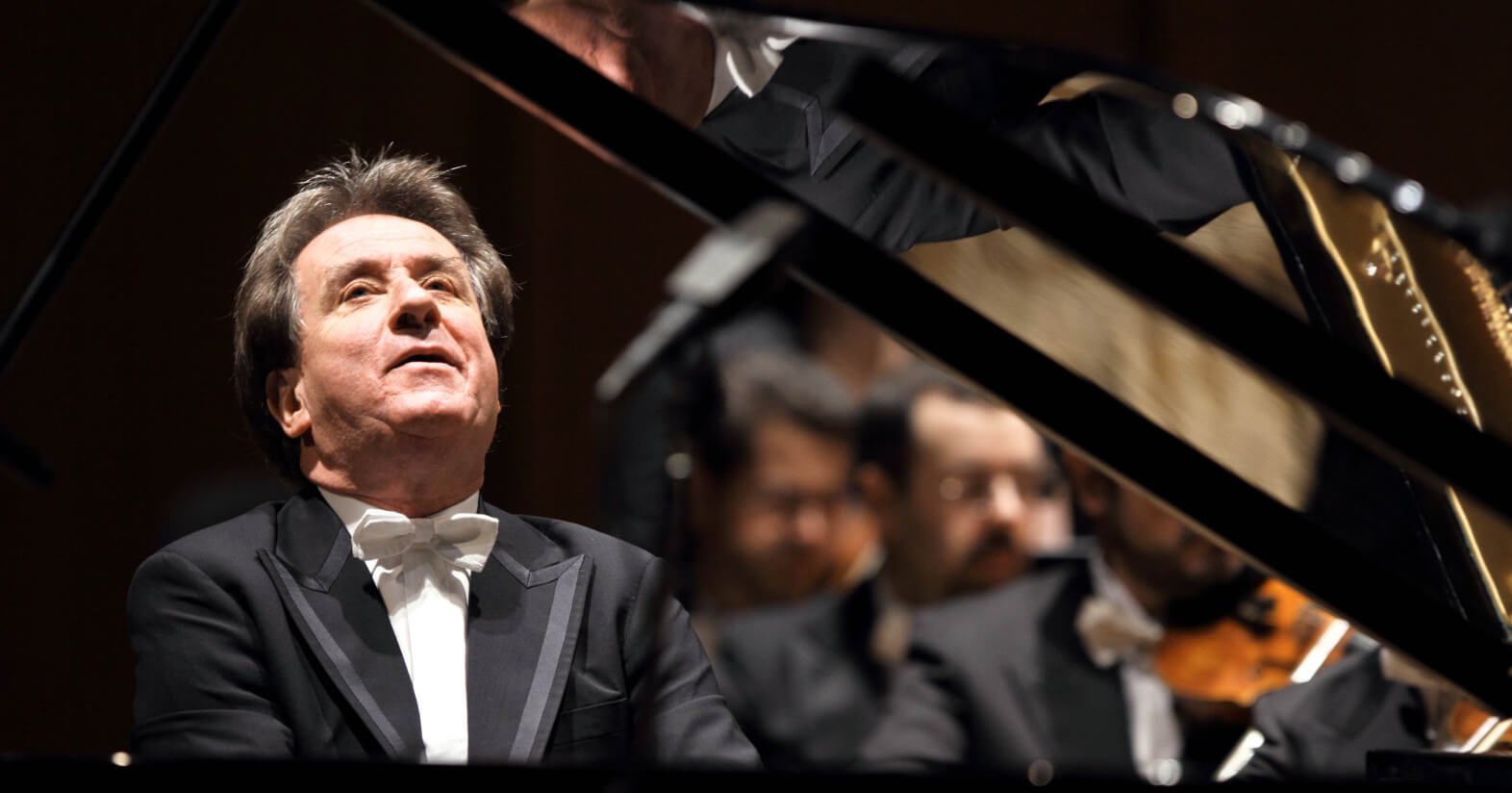
Doha: The Qatar Philharmonic Orchestra (QPO) will host a landmark Beethoven piano concerto cycle featuring legendary Austrian pianist Rudolf Buchbinder at the Katara Opera House from January 29 to 31.
Widely regarded as one of the foremost interpreters of Beethoven’s works, Buchbinder will perform all five of Beethoven’s piano concertos across two concerts, offering audiences a rare opportunity to experience the composer’s complete concerto journey in a single cycle. The performances highlight Buchbinder’s exceptional virtuosity and his deep, decades-long engagement with Beethoven’s music.
The cycle opens on January 29 at 8pm with Piano Concertos Nos. 2, 3 and 4. These works trace Beethoven’s evolution from a brilliant young composer rooted in classical traditions to a bold innovator who reshaped the concerto form.
The Beethoven cycle concludes on January 31 at 7.30pm with Piano Concertos Nos. 1 and 5. The programme highlights Beethoven’s stylistic expansion from the sparkling, Mozart-inspired brilliance of Concerto No. 1 in C major to the grandeur and authority of Concerto No. 5 in E-flat major, famously known as the “Emperor” Concerto. The latter is distinguished by its bold opening piano statements and heroic, military-inspired themes, standing as one of the most commanding works in the piano concerto repertoire.
Beethoven Piano Concertos
Concerto No. 1 in C Major: It features bright, expansive orchestration with festive trumpets and drums, showcasing Beethoven’s mastery of the high-classical style through scales.
Concerto No. 2 (Op. 19): A youthful, high-energy piece in B Flat Major that showcases Beethoven’s classical roots and virtuosic elegance, Concerto No. 2 was actually composed before No. 1, serving as Beethoven’s primary vehicle for his debut as a virtuoso in Vienna.
Concerto No. 3 (Op. 37): A dramatic C Minor masterpiece featuring a stormy, intense dialogue between the piano and orchestra. Concerto No. 3 marks his first use of a minor key in a concerto, signaling a shift toward his “heroic” style.
Concerto No. 4 (Op. 58): Renowned for its lyrical G Major opening, this work redefined the concerto form with its poetic and innovative structure, Concerto No. 4 broke tradition by starting with a soft, solo piano melody rather than a grand orchestral introduction.
Concerto No. 5 (The “Emperor”): It breaks tradition with a powerful, improvisatory piano cadenza right at the start, leading into a majestic work defined by heroic E-flat Major themes and military-style rhythms.
Source: Qatar Tribune