


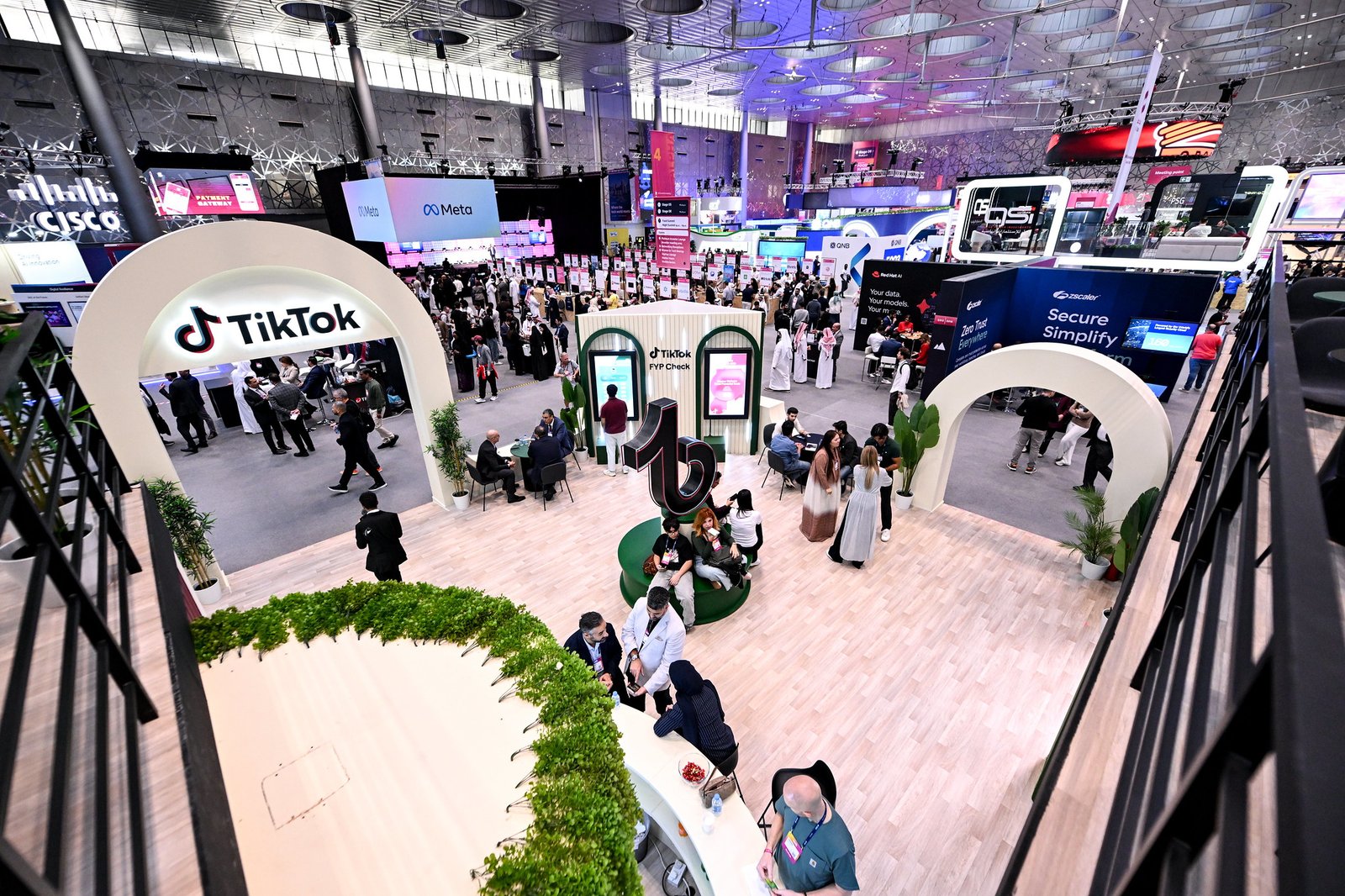
When a country hosts a global technology event, the headlines rush to capture the crowd numbers, the celebrity keynotes, and the headline-grabbing deals. But the real story rarely makes the front page. For Qatar, hosting Web Summit is not about the spectacle; it is about what the spectacle can set in motion: a faster path to economic transformation, a magnet for global talent, and the foundations of a homegrown innovation ecosystem that outlasts the closing ceremony. The real question was never what happens on stage. It is what happens the morning after the last session ends.
The Spotlight Is Just the Beginning
Global tech gatherings have a gravitational pull unlike almost anything else in the business world. For a few intense days, investors, founders, policymakers, and corporations converge in one place, and the host country finds itself at the center of the global innovation conversation.
For Qatar, this moment fits neatly into a larger ambition: to build an economy that does not depend on oil, and a reputation that extends far beyond the Gulf. The exposure alone sends a powerful signal that Qatar is open, ready, and serious about leading in sectors like artificial intelligence, fintech, and climate technology.
But visibility, on its own, is fleeting. Without a clear plan to convert that spotlight into lasting outcomes, the buzz fades faster than the jet lag.
What Happens When the Cameras Leave
To make the most of this moment, Qatar needs to resist the temptation to treat the Web Summit as a one-off win. Instead, it should be treated as the opening chapter of something much bigger, the first handshake in a long-term relationship between Qatar and the global innovation community.
One of the most powerful opportunities is deceptively simple: turning visitors into residents. Thousands of founders and investors will pass through Qatar during the event, most of them with no intention of staying. That is where smart policy comes in. Startup visas, relocation incentives, and soft-landing programs can quietly shift the calculus for even the most skeptical entrepreneur, turning a brief stopover into a long-term commitment.
Equally important is what happens after the badges are returned and the flights home are booked. Deals discussed over coffee in a conference hallway do not close on their own. Partnerships need tending. A dedicated post-event strategy built around accelerators, investment programs, and corporate matchmaking is what separates a productive summit from a very expensive networking event.
More Than a Moment: Building Something That Lasts
Events create energy. But energy without infrastructure dissipates. A genuine tech hub demands something more durable.
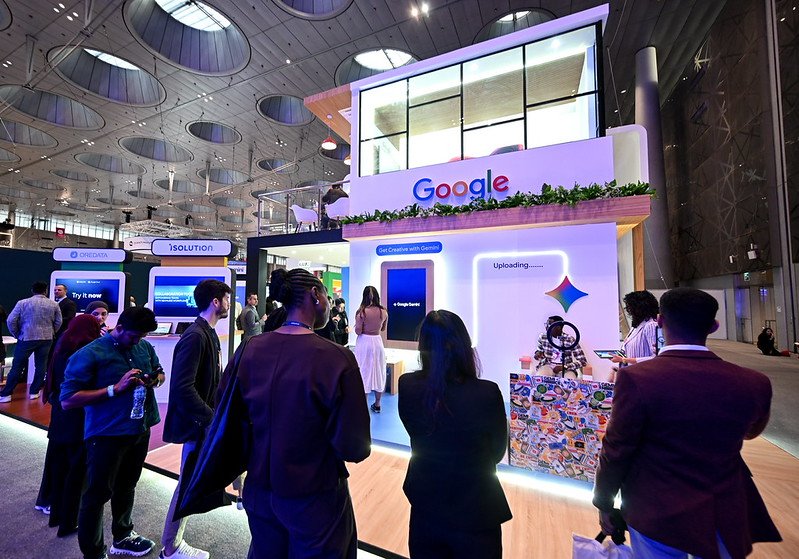
Encouraging global companies to plant roots in Qatar is one of the most important moves the country can make. That might mean regional headquarters, research centers, or innovation labs, but the form matters less than the commitment. Smart incentives and co-investment opportunities can give these companies a reason to stay, not just visit.
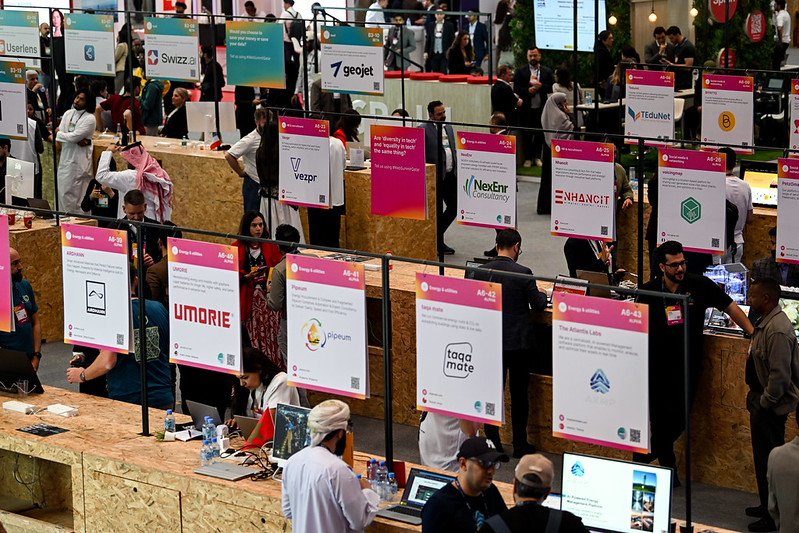
None of this works, however, if local startups are left on the sidelines. An ecosystem that imports talent without nurturing homegrown ambition is building on sand. Qatar’s domestic entrepreneurs need real access to global investors, prime-stage time, and funding that does not require knowing the right people. Give them that, and they will produce the kind of success stories that bring in more talent and capital.
Qatar also holds an underappreciated card: its universities. By weaving academia into the fabric of the event and keeping those connections alive long after it ends, the country can do something genuinely rare: turn academic research into commercial reality, closing the gap between the lab and the market.
Stop Chasing Everything. Win at Something.
In a world full of tech hubs chasing the same startups and the same investors, trying to be everything to everyone is a losing strategy. Qatar’s edge lies in knowing what it does best and doubling down on it.
Sports technology, energy innovation, and smart city solutions are not random choices; they are areas where Qatar already has credibility, infrastructure, and a story to tell. By concentrating its resources on a handful of industries where it can genuinely lead, Qatar can build a reputation that sticks rather than a presence that blurs. In a region where every country is racing to become the next innovation capital, focus is not just smart, it is survival.
What the World Got Right and Wrong
Other countries offer valuable insights into what works and what doesn’t.
Some nations have turned a single high-profile event into a decade-long startup boom by showing up consistently, year after year, and never letting the energy die. Others have won by removing every possible barrier to starting and scaling a business, making the country feel like the easiest place in the world to build something. And some have thrown money at the problem, attracting startups quickly only to find that capital alone cannot hold a community together.
The common thread is clear: success depends on execution, follow-through, and a long-term vision.
The Traps Qatar Cannot Afford to Fall Into
The risks are just as real as the opportunities. Treating Web Summit as a branding exercise, a glossy photo opportunity for the country’s portfolio, without any meaningful follow-up, is perhaps the most expensive mistake Qatar could make. Add high operational costs, a local business community that feels excluded, and a private sector that watches from the sidelines, and the whole endeavor can quietly collapse under its own weight.
Ultimately, the difference between a transformative moment and a missed one comes down to a single question: Is Web Summit a chapter in Qatar’s national story, or just a line in a press release?
The Door Is Open. The Question Is What Qatar Does Next.
For Qatar, Web Summit is not just a conference. It is a door and right now, it is wide open.
Handled well, this event can do what years of policy papers and investment roadshows have struggled to achieve: shift the world’s perception of Qatar from an oil-rich state to a genuine innovation hub. It can pull in global talent, ignite local entrepreneurship, and position Qatar as the region’s most compelling address for the next generation of builders.
But none of that happens by accident. The goal was never to host a successful event. The goal is to turn a few days of global attention into years of sustained growth.
If Qatar can pull that off, the story of Web Summit will not be told in conference recaps. It will be told in the companies that were built here, the careers that were launched here, and the economy that was quietly, irreversibly changed.
Photo Courtesy: Paul Devlin/Web Summit Qatar