


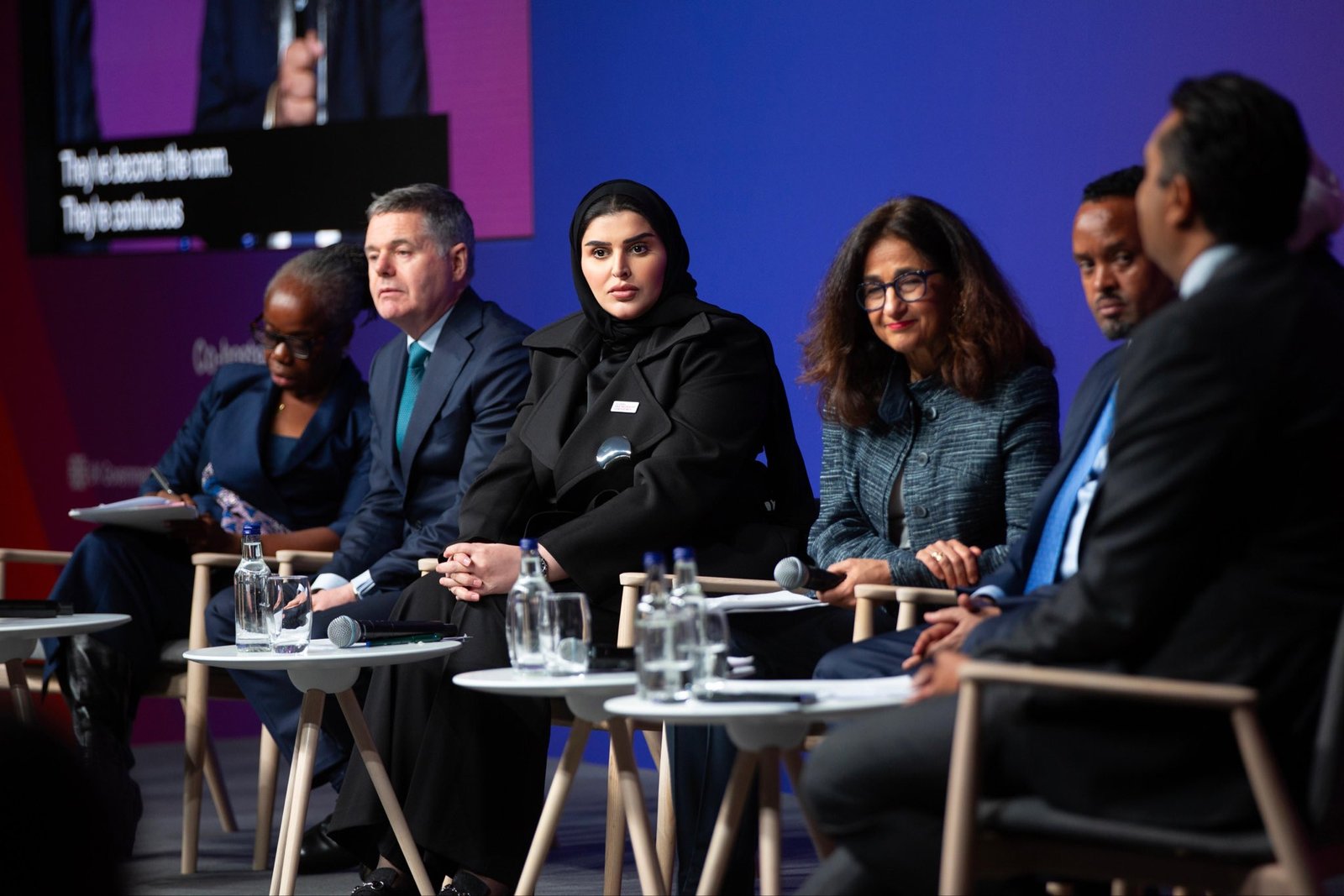
- Qatar participated in the Global Partnerships Conference in London, co-hosted by the UK and South Africa, with HE Minister of State for International Cooperation Maryam Al Misnad delivering a keynote address on global development and humanitarian challenges.
- HE Al Misnad said the current international cooperation system is no longer capable of effectively addressing modern crises, calling for reforms that integrate humanitarian action, development, and peacebuilding efforts.
- She highlighted Qatar’s global humanitarian and development role, including mediation efforts in Gaza, initiatives to reunite Ukrainian children with their families, and QFFD support for more than 70 countries facing food, climate, and debt crises.
- The minister noted that Qatar provided USD 4.8 billion in foreign aid to least developed countries in 2024 and reaffirmed Doha’s commitment to accelerating implementation of the Doha Action Plan and social development pledges.
- HE Al Misnad presented a roadmap for the next decade focused on nationally led development financing, investment in social protection and education, and strengthening humanitarian mediation as a pillar of sustainable international cooperation.
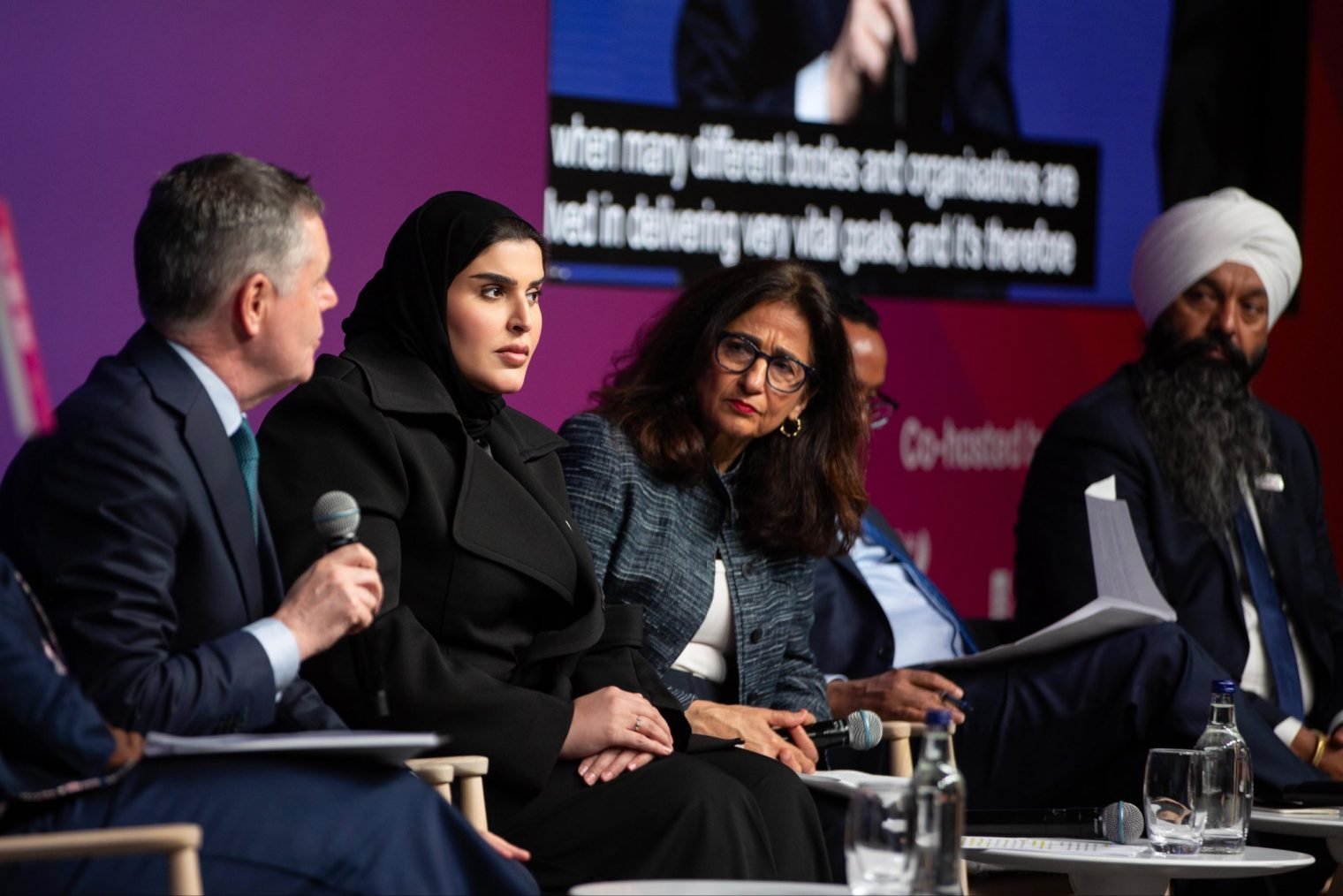
London: The State of Qatar underscored its growing role in global humanitarian diplomacy and international development during the Global Partnerships Conference held in London and co-hosted by the United Kingdom and the Republic of South Africa.
Representing Qatar at the conference, HE Minister of State for International Cooperation Maryam bint Ali bin Nasser Al Misnad delivered a keynote address during the opening panel discussion on building resilient systems to address 21st-century challenges. The session was moderated by HE Chief Economic Advisor to the UK Prime Minister, Baroness Nemat Shafik, and brought together senior officials, ministers, and leaders of international development and humanitarian organizations.
During the discussions, Her Excellency highlighted the structural shifts reshaping the global development landscape, stressing that the current international cooperation system is no longer capable of responding effectively to the scale and complexity of modern crises.
She outlined Qatar’s expanding humanitarian and development role, noting that support for least developed countries remains a central pillar of Qatar’s foreign policy. Among Qatar’s major contributions, she cited a USD 60 million grant dedicated to development and capacity-building projects, in addition to Qatar’s provision of USD 4.8 billion in foreign aid to least developed countries in 2024.
Her Excellency also pointed to Qatar’s engagement in multiple simultaneous international crises, including mediation efforts to secure a ceasefire in Gaza and facilitate humanitarian aid delivery, initiatives to reunite Ukrainian children with their families, and the Qatar Fund for Development’s support for more than 70 countries facing food, climate, and debt challenges.
She emphasized that the separation between humanitarian action, development, and peacebuilding has proven ineffective, adding that Gulf and Arab development institutions, sovereign wealth funds, and regional mediators have emerged as key pillars sustaining the international system.
Looking ahead, HE Al Misnad presented a practical roadmap for reforming international cooperation over the next decade. The roadmap calls for transitioning from fragmented donor-driven funding toward nationally led development platforms, accelerating implementation of the Doha Action Plan, and expanding investment in social protection and human capital development.
Highlighting Qatar’s education initiatives, she noted that the Education Above All Foundation has helped enroll more than 16 million children in education programs across 60 countries. She also stressed the importance of enabling humanitarian mediation and access as essential drivers for sustainable development investments.
Her Excellency reaffirmed Qatar’s commitment to strengthening its role as a trusted international mediator, referencing efforts spanning Gaza, Afghanistan, and Colombia, alongside the launch of the Humanitarian Diplomacy Initiative under Qatar’s Third National Development Strategy.
She concluded by affirming Qatar’s readiness to remain an active and influential partner in advancing international development, humanitarian response, and global cooperation efforts.