


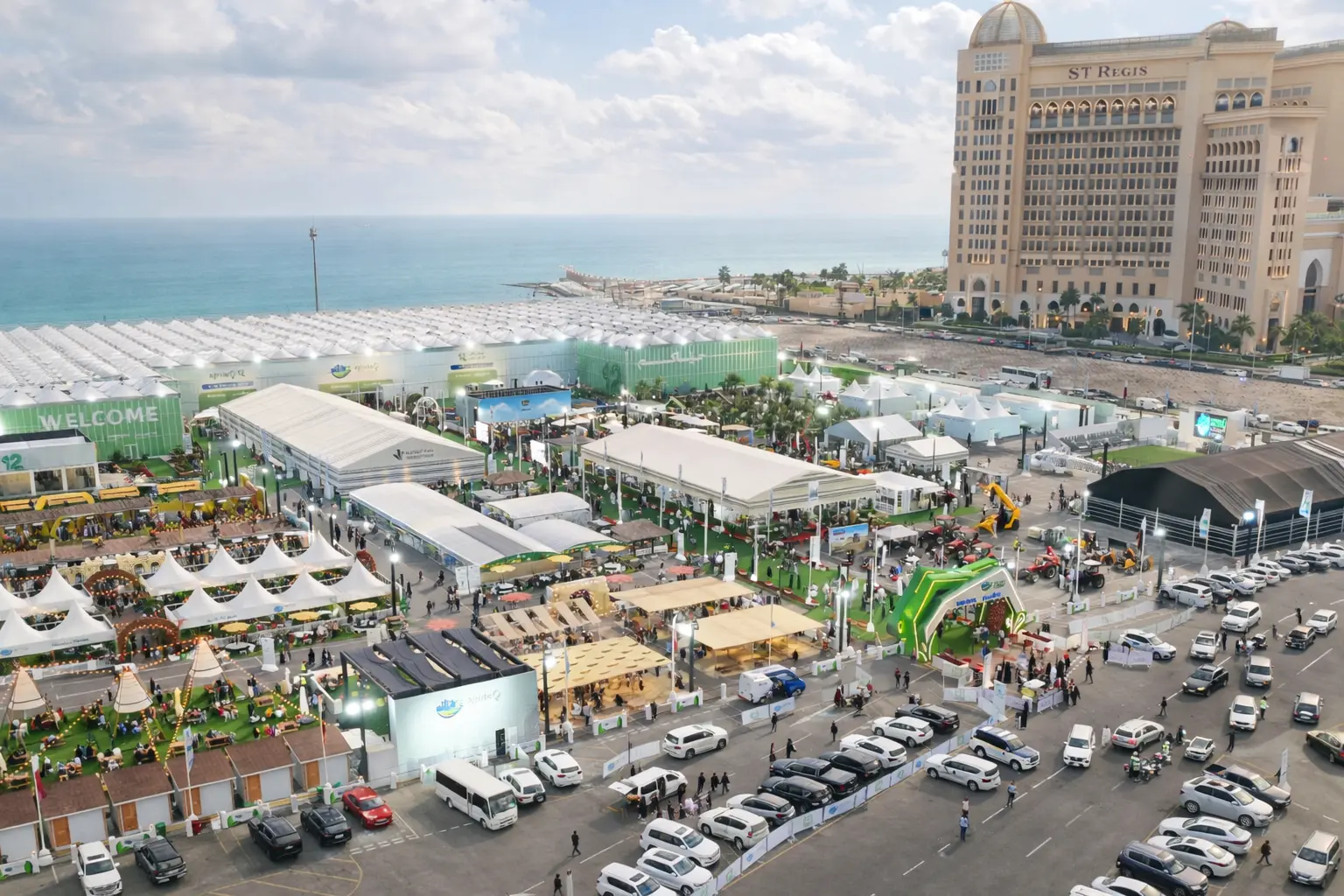
Qatar International Agricultural Exhibition “AgriteQ”, stands as one of the Gulf region’s most influential platforms for agricultural innovation, sustainability, and global collaboration. Since its inception, the event has played a strategic role in advancing Qatar’s agricultural sector and supporting the nation’s National Food Security Strategy and Qatar National Vision 2030.
Held annually in Doha at the iconic Katara Cultural Village, AgriteQ attracts thousands of visitors, including farmers, agribusiness professionals, policymakers, investors, and technology innovators. The exhibition brings together regional and international exhibitors showcasing cutting-edge technologies, sustainable farming solutions, smart agriculture tools, and products that address challenges across the food production chain.
This year, The 13th AgriteQ, taking place at Katara Cultural Village from 11–15 February 2026, will serve as a global platform for sustainable agriculture and food security innovation.
The 12th edition of AgriteQ in 2025 saw participation from more than 300 exhibitors representing over 29 countries, offering an expansive showcase of agricultural machinery, horticulture innovations, livestock and aquaculture solutions, and specialized markets for dates, honey, flowers, and crops. Under the patronage of Qatar’s leadership, the event emphasized not just commercial opportunities but also knowledge exchange and cooperation in sustainable agricultural practices and food security.
AgriteQ’s comprehensive program includes interactive displays, workshops, technical seminars, and bilateral discussions that foster connections between global stakeholders. It also serves as a meeting point for public and private sector leaders to explore strategies that enhance productivity, reduce environmental impact, and encourage investment in modern farming practices.
More than a trade show, AgriteQ reflects Qatar’s commitment to nurturing a resilient agricultural ecosystem that supports economic diversification, environmental stewardship, and long-term food sustainability—making it an indispensable fixture on the international agricultural calendar.