

When Art Basel announced it was coming to Qatar in 2026, it felt like a big deal, and it is. For Doha and the wider Middle East, North Africa, and South Asia (MENASA) region, this is a moment people will look back on. One of the world’s most celebrated art fairs has chosen this corner of the globe, and that says a lot about where Qatar is headed.
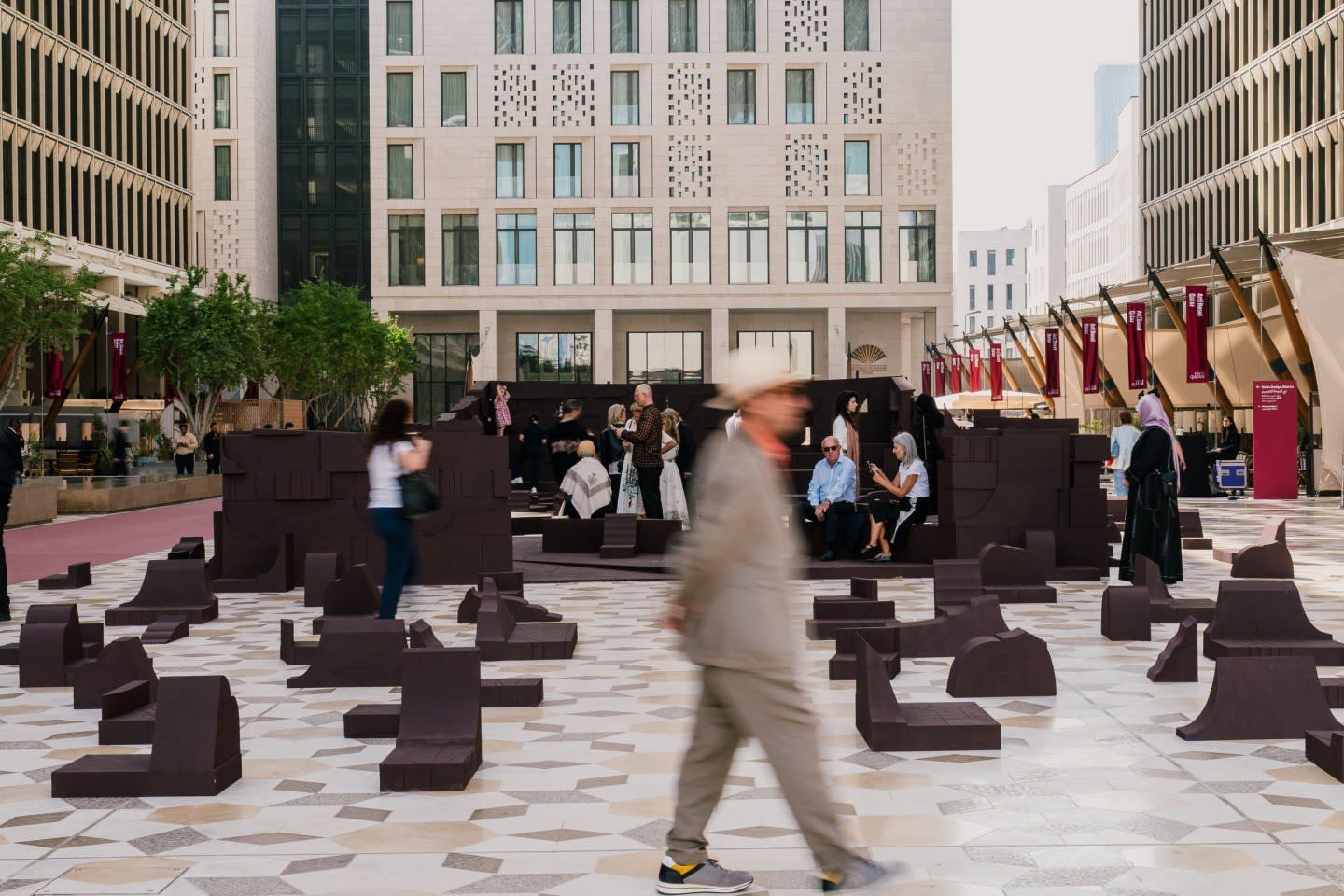
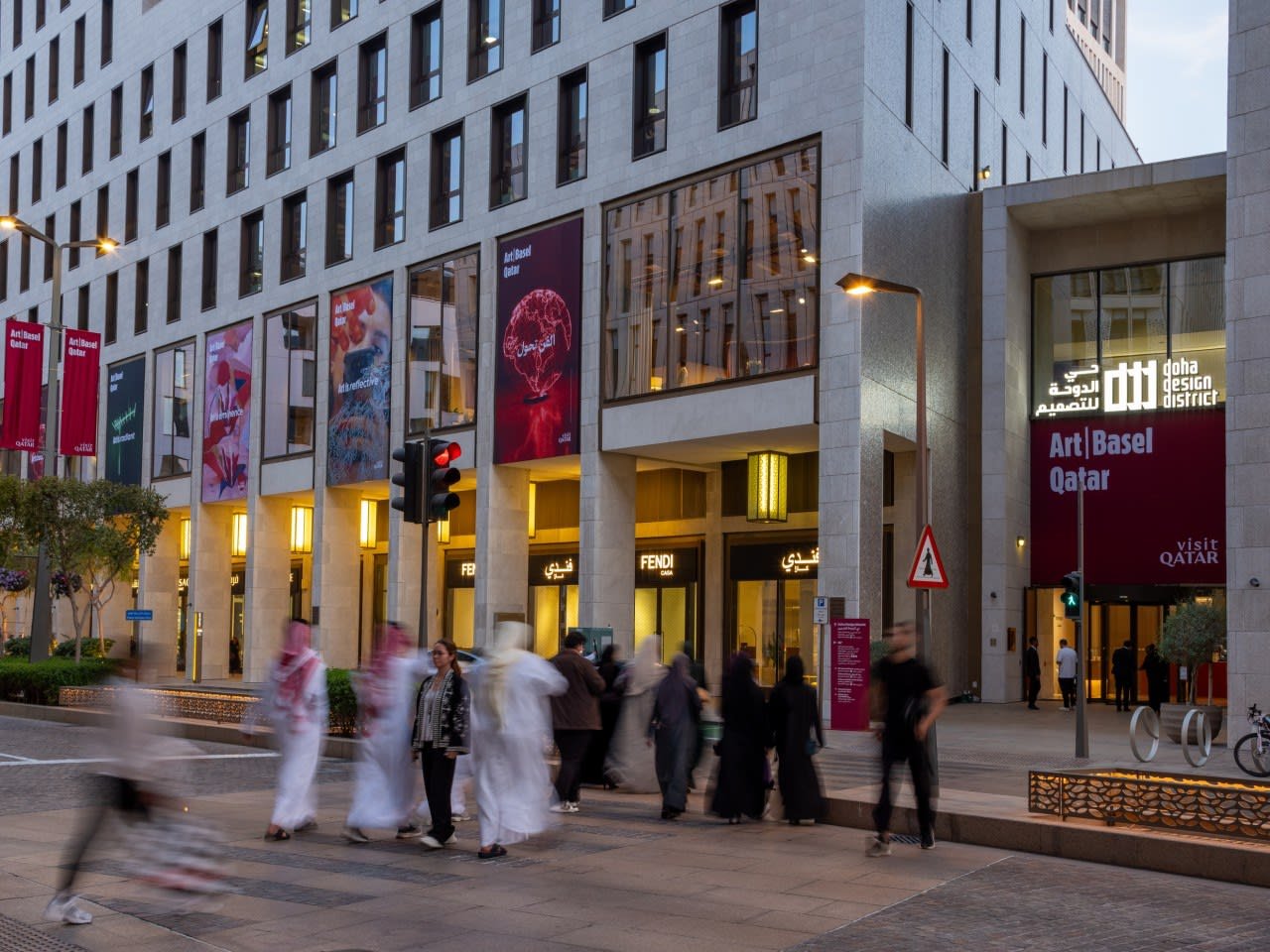
The fair is taking place across Msheireb Downtown Doha, with key venues like M7 and the Doha Design District at its heart. It’s Art Basel’s first step into the Middle East and their fifth fair worldwide, a milestone worth noting.
A New Cultural Milestone
Art Basel Qatar isn’t just another art fair. It’s a statement about where the region is going. With 87 galleries from 31 countries and 84 artists under one roof, it brings together voices from across the globe and the region in a way that hasn’t been done here before.
What makes this edition stand out is its approach. Instead of the usual buy-and-sell atmosphere, it’s built around the theme “Becoming”, an invitation to actually connect with the art, think about it, and feel something, rather than just walk past it.
It’s part of a bigger shift. Doha wants to be the place where East and West come together to discuss ideas, not just to do business.
Impact on Qatar’s Cultural Landscape
1. Elevating Doha as a Global Art Hub
Doha now sits alongside Basel, Miami, and Hong Kong as a city the global art world takes seriously. This didn’t happen overnight; it’s the result of years of investment in culture, from Qatar Museums to places like Mathaf: Arab Museum of Modern Art.
Having Art Basel here also gives Qatar a different kind of influence, one built on culture and creativity, not just politics or oil.
2. Empowering Regional Artists
Many of the artists here come from the MENASA region, and for them, this is a real opportunity. It’s one thing to be talented; it’s another to be seen by collectors, curators, and galleries from around the world. Art Basel Qatar opens that door.
3. Building a Sustainable Art Market
For a long time, the contemporary art market has been dominated by Europe and North America. Art Basel Qatar is beginning to change that, drawing in collectors, curators, and galleries who might not have looked this way before.
Attractions and Visitor Experience
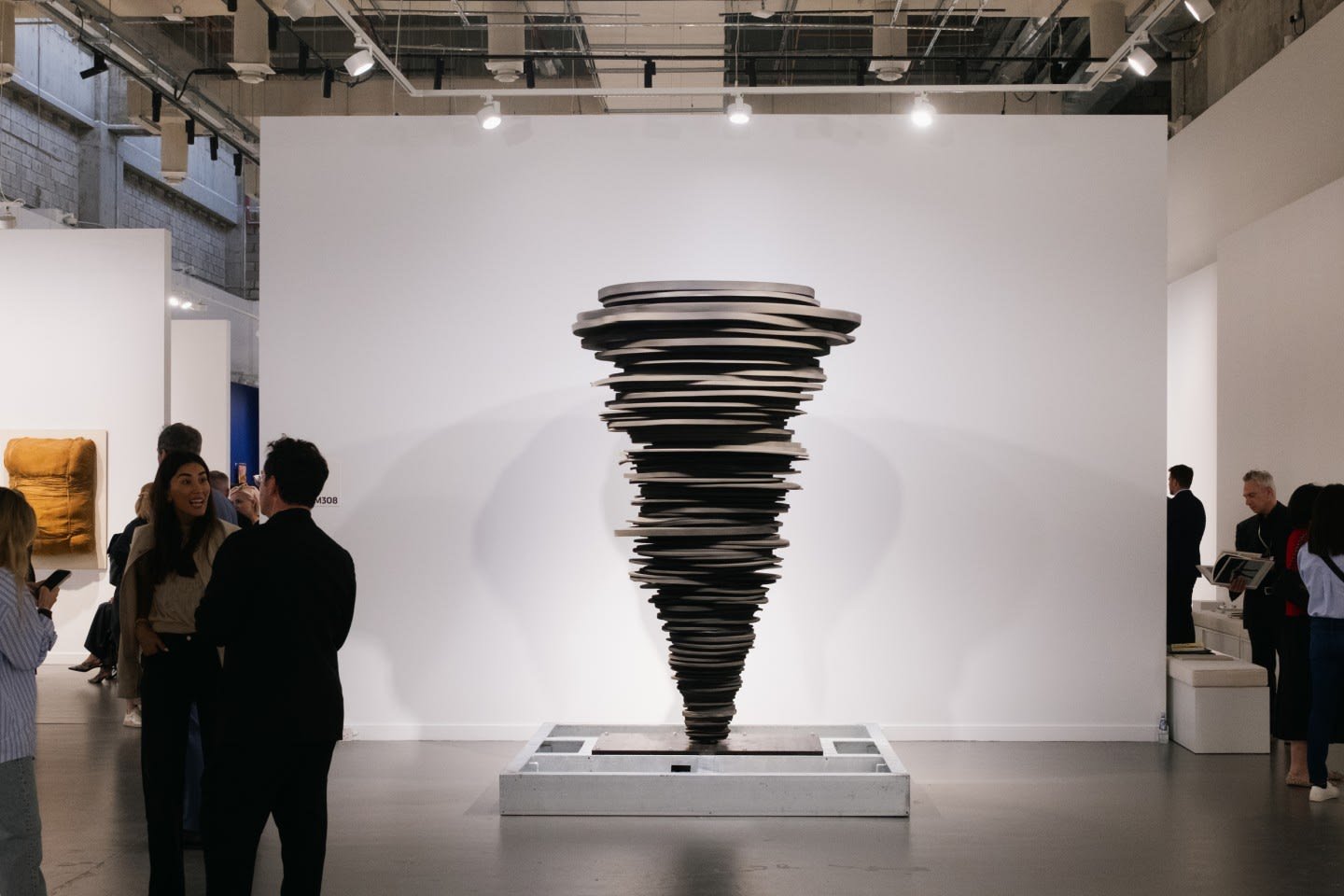
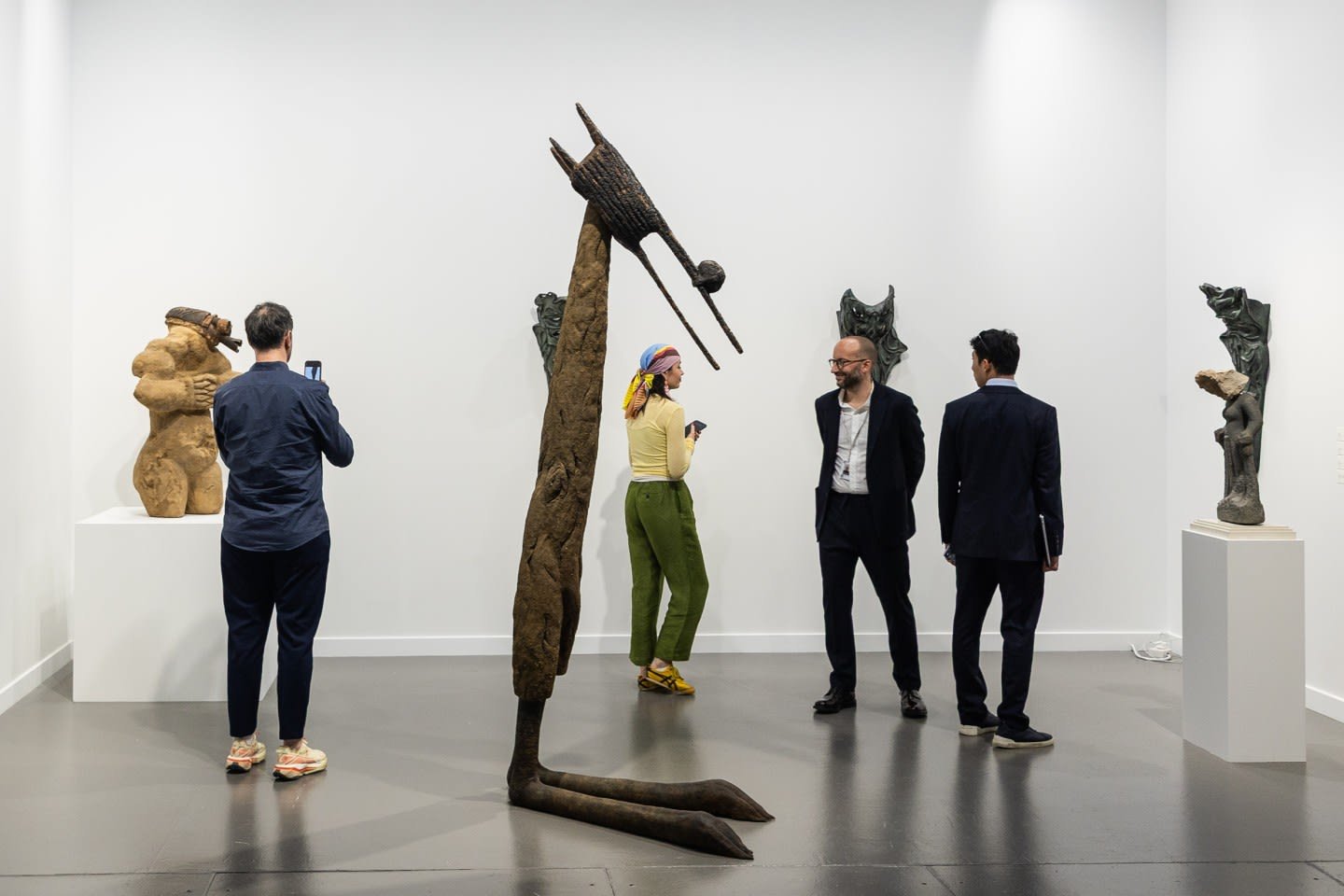
This isn’t something you just visit for an afternoon. Art Basel Qatar turns the whole city into a living, breathing cultural experience:
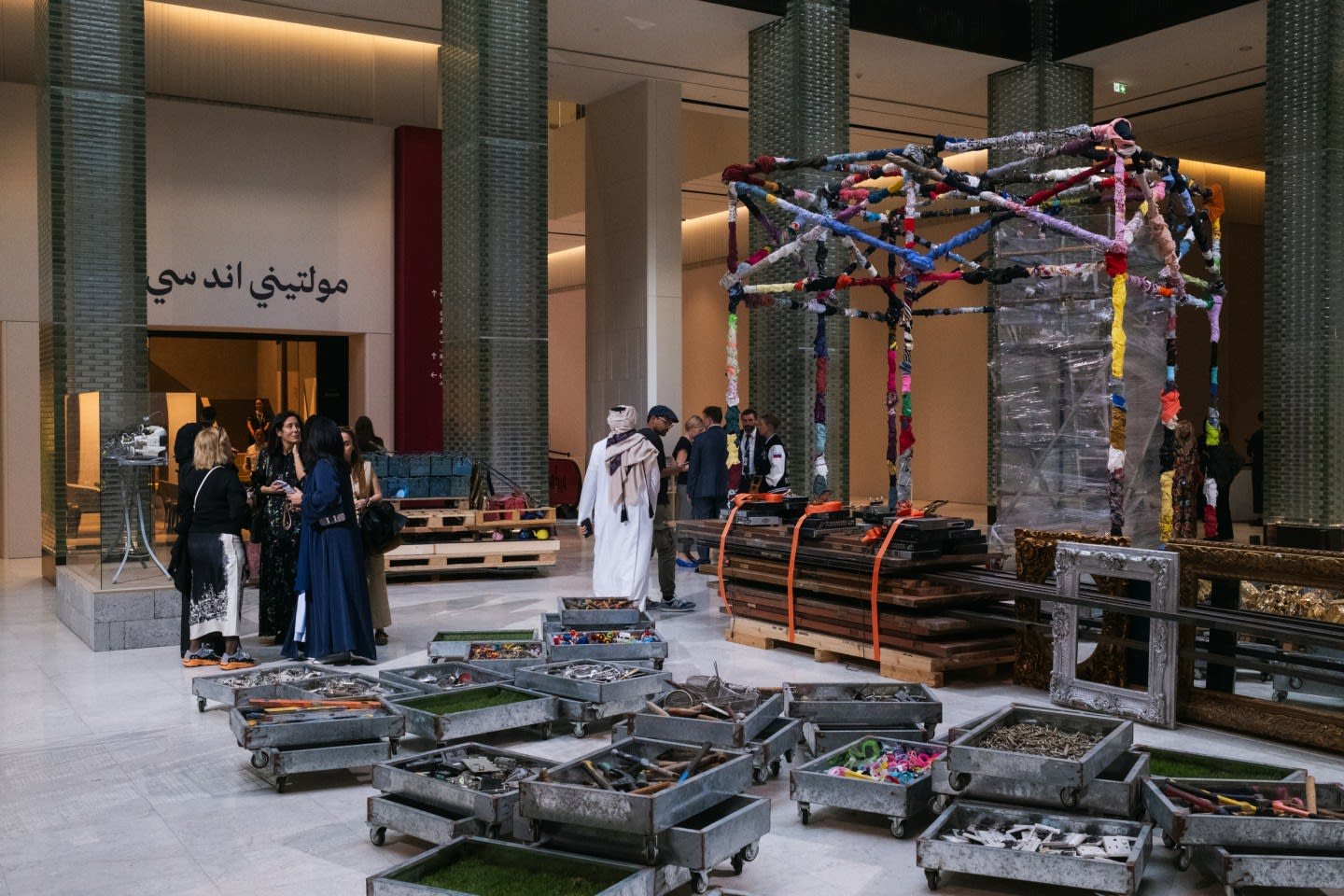
- Large-scale installations and public art projects across Msheireb
- Talks, panels, and curated programs involving global art leaders
- Immersive, site-specific works engaging with themes of identity and transformation
- Open-access programming designed for students, families, and first-time visitors
By spreading art across public spaces, the fair makes it feel like Doha itself is the exhibition, not just a building or two.
Tourism and Economic Impact
1. Surge in Cultural Tourism
Tens of thousands of visitors are expected to come from around the world. Collectors, artists, curious travelers, and everyone in between.
This influx significantly boosts:
- Hotel occupancy
- Restaurant and retail sectors
- Airline and travel demand
2. Year-Round Destination Branding
For years, Doha was seen mainly as a transit stop or a sports destination. Art Basel is helping change that story, making the city a place people plan trips around.
3. Diversification Beyond Energy
This also fits neatly into Qatar’s bigger plan to build an economy that doesn’t rely solely on energy. Culture, tourism, and hospitality are all getting a boost.
A Broader Vision: Culture as Strategy
Art Basel is one piece of a much larger puzzle. Qatar has been quietly and steadily building a cultural ecosystem, museums, festivals, public art, international partnerships. Taken together, it’s a country shaping an identity around creativity and openness to the world.
And it’s not just about looking impressive on the world stage. It’s about leaving something lasting for future generations, for education, for culture.