


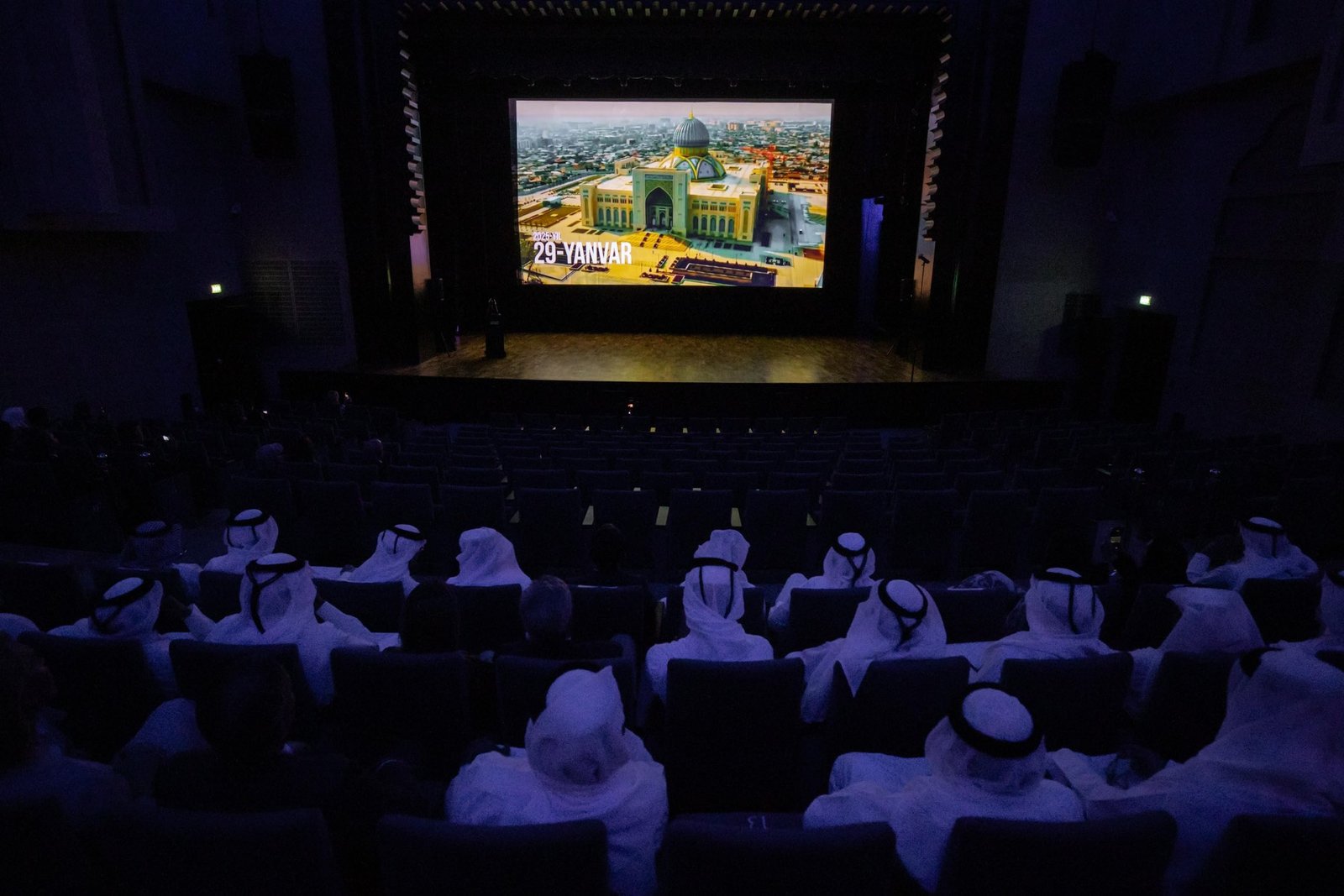
Doha: Katara Cultural Village Foundation organized a special event highlighting the Islamic Civilization Center in Uzbekistan, in cooperation with the Embassy of the Republic of Uzbekistan in Qatar.
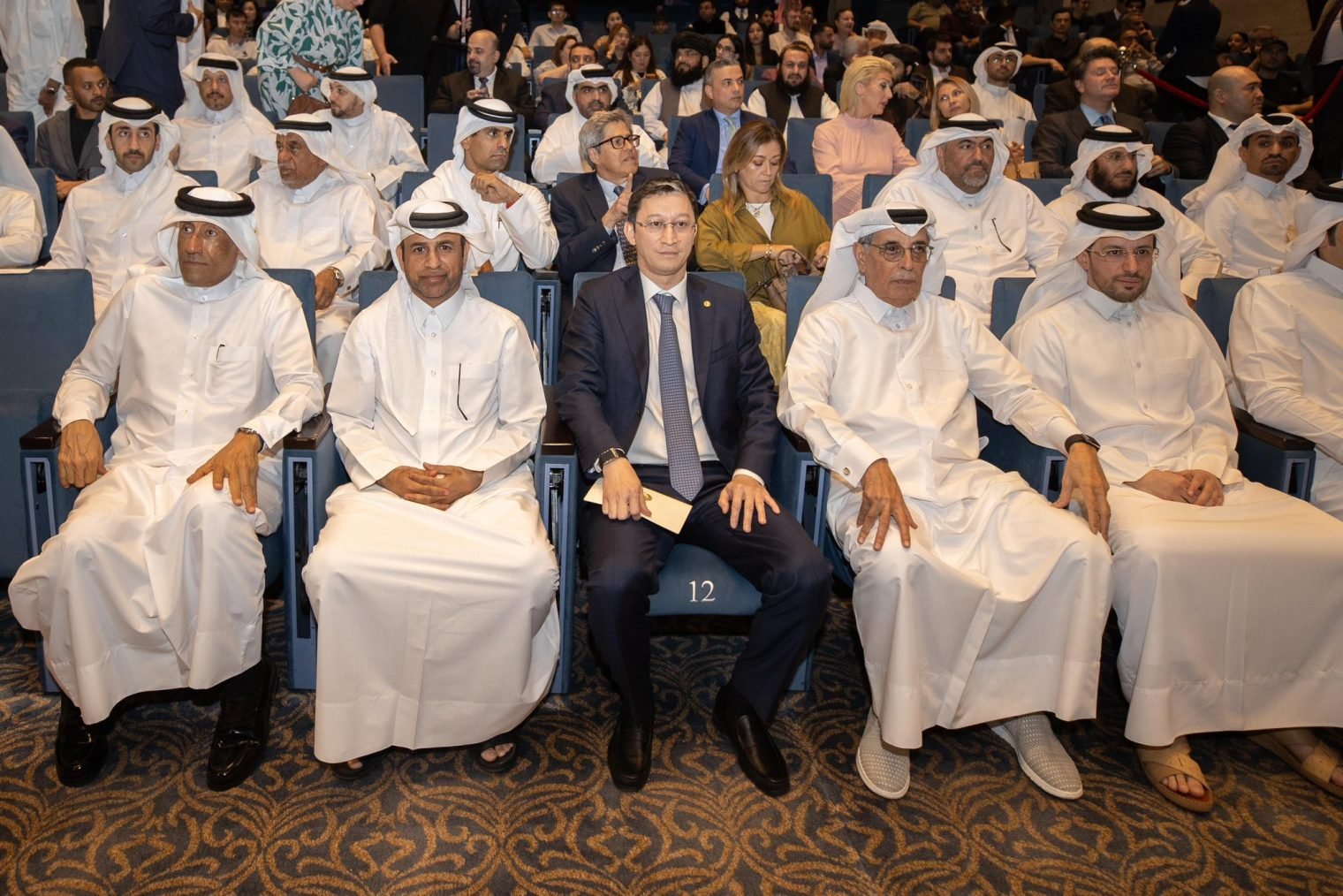
Held at the Katara Drama Theater on Monday, the event drew a large audience, including Their Excellencies ambassadors, members of the diplomatic corps, intellectuals, and individuals interested in Islamic civilization and cultural heritage.
In his address, HE Minister of State and President of Qatar National Library Dr. Hamad bin Abdulaziz Al Kawari described the Islamic Civilization Center in Uzbekistan as a landmark cultural project that goes beyond presenting history, emphasizing the contributions of Islamic civilization to science, philosophy, thought, and humanity.
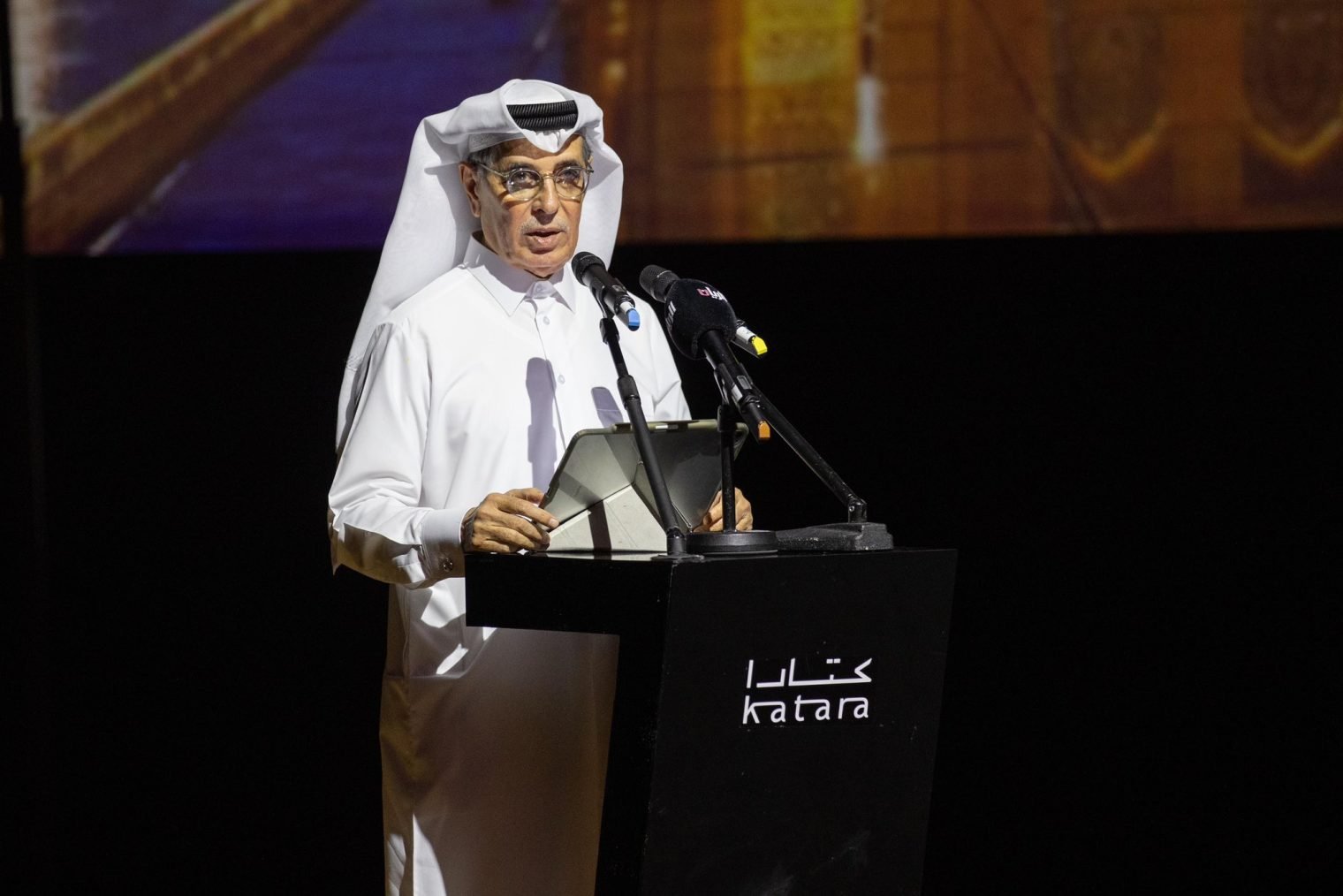
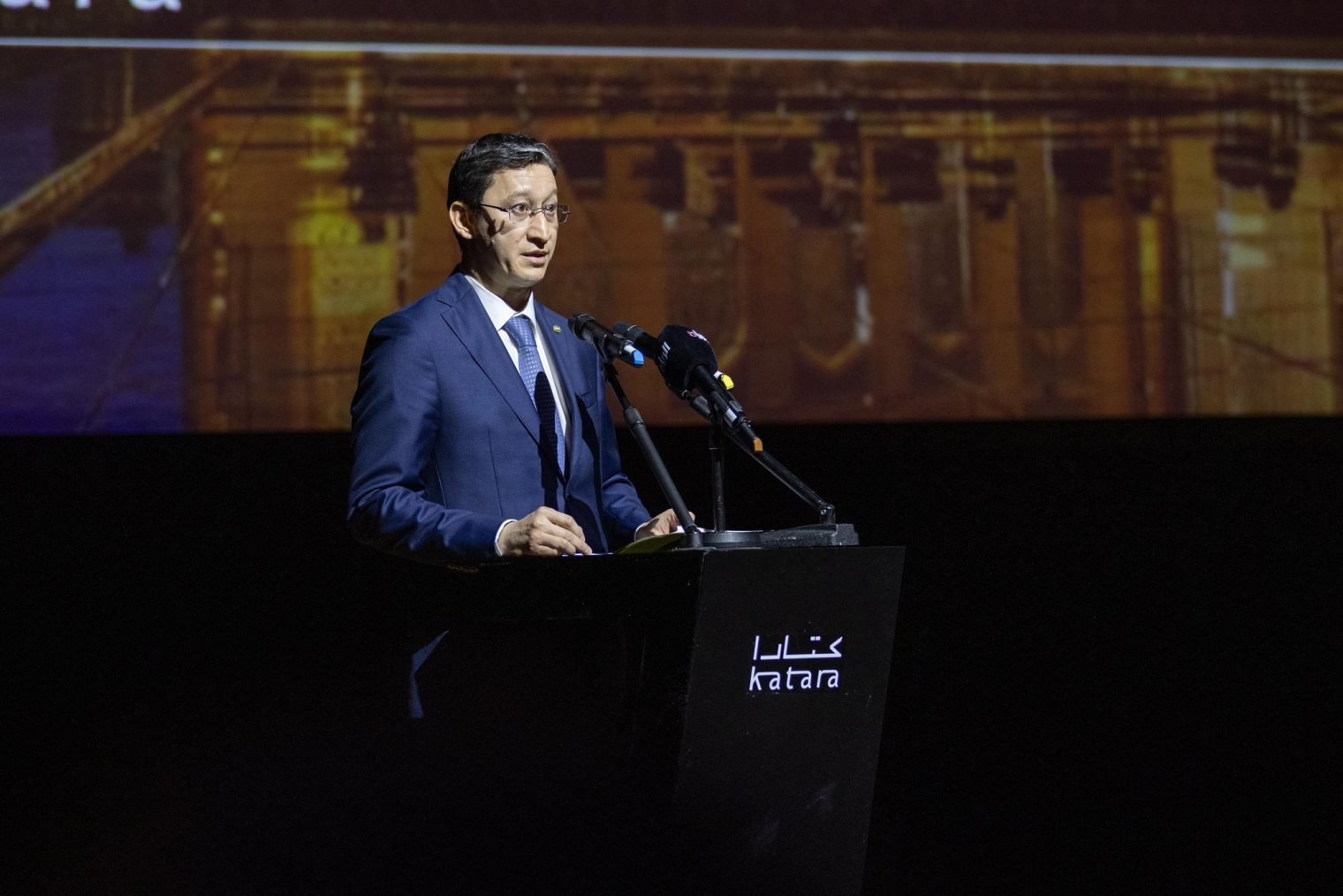
Recognized by Guinness World Records as the world’s largest museum dedicated to Islamic civilization, the center stands as a global symbol of a vision that draws inspiration from history to shape the future, he said, stressing that culture remains one of the strongest bridges connecting peoples and nations.
HE Dr. Al Kawari underscored Uzbekistan’s distinguished place in Islamic history as the homeland of renowned scholars including Imam Al Bukhari, Imam Al Tirmidhi, Al Khwarizmi, Ibn Sina, and Al Zamakhshari. He also highlighted the historic importance of cities such as Samarkand, Bukhara, Tashkent, and Khwarezm as longstanding centers of knowledge and culture along the Silk Road.
He expressed pride in the ongoing cooperation between QNL and cultural institutions in Uzbekistan, particularly in heritage preservation, digitization, and knowledge exchange. He also referenced the Memorandum of Understanding signed in Tashkent in 2024 to preserve shared Islamic heritage and ensure its accessibility for future generations.
The event featured a rich cultural and educational program showcasing the Islamic Civilization Center’s vision as a hub for science, culture, and learning, while highlighting the scientific, spiritual, and cultural heritage of Uzbekistan and the wider Islamic world.
Documentary screenings and visual presentations explored the historical significance of Uzbekistan’s cities as leading centers of scientific and cultural enlightenment along the Silk Road. The program also included displays of rare manuscripts and historical artifacts documenting the contributions of Uzbek scholars to human civilization, alongside rare collections from QNL related to Uzbekistan’s heritage.
A special film produced by Qatar National Library was also screened, highlighting the deep-rooted cultural and historical ties between Uzbekistan and the Islamic world.