





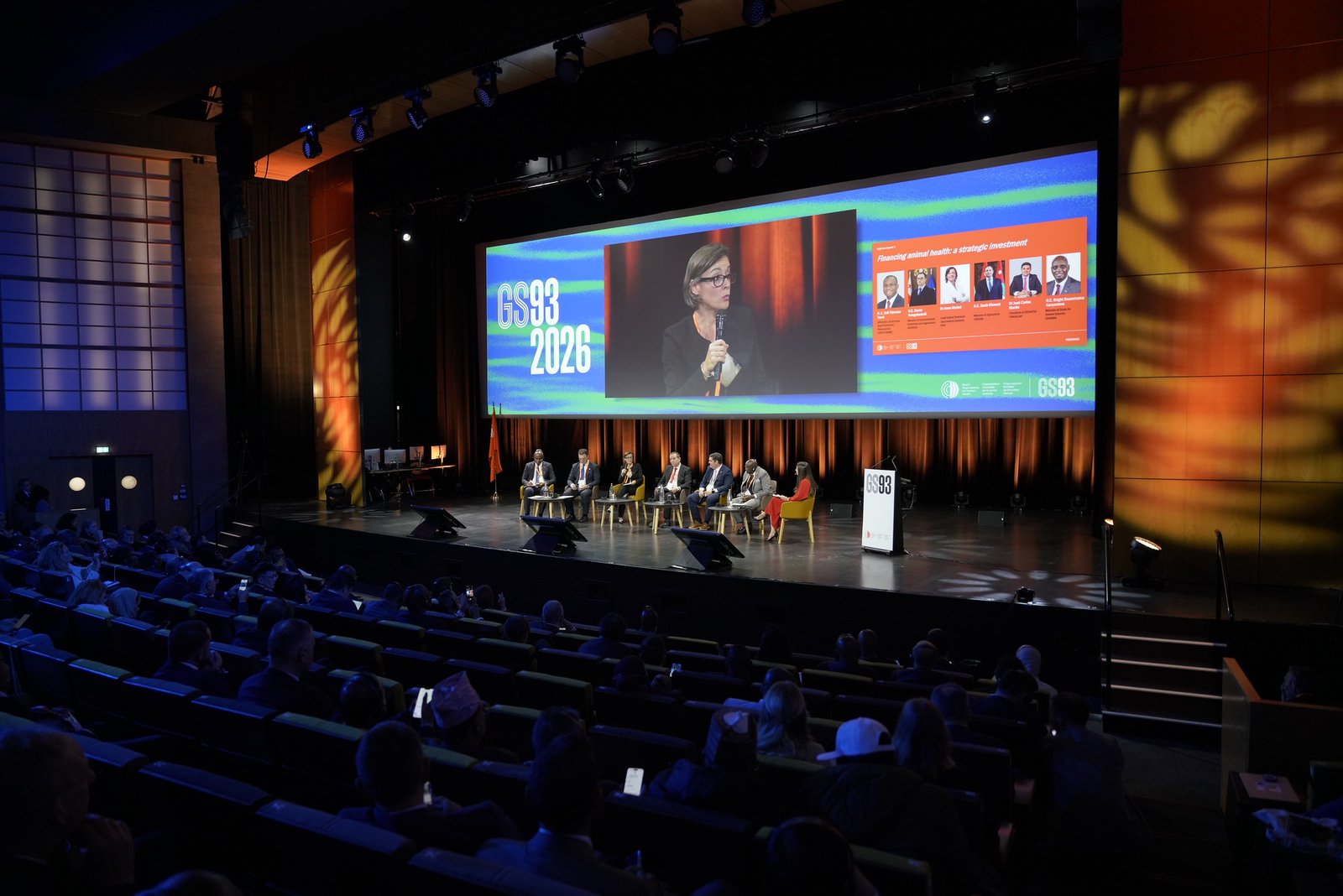
Paris: The State of Qatar participated in the meetings of the 93rd General Session of the World Assembly of Delegates of the World Organization for Animal Health (OIE), held on Monday at the ministerial level in Paris.
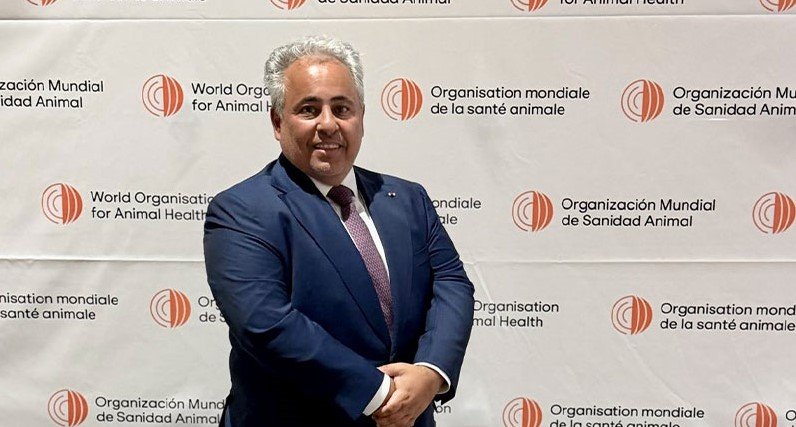
Qatar was represented at the session by HE Ambassador of the State of Qatar to the French Republic Sheikh Ali bin Jassim Al-Thani.
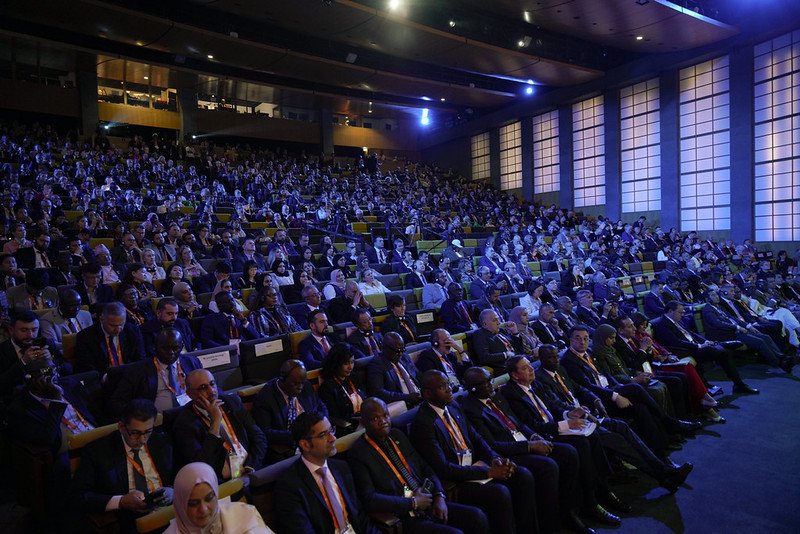
The session was inaugurated in the presence of ministers from OIE member countries, representatives of various international organizations, as well as observers and key stakeholders.
In addition to adopting administrative and technical resolutions, the session focused on investing in animal health to build a safe future for all, contributing to the discussion of innovative solutions and partnerships.

93rd General Session of the World Assembly of Delegates
The World Organisation for Animal Health (WOAH) convened its 93rd General Session of the World Assembly of Delegates in Paris this week, drawing together representatives from 183 member nations for one of the most consequential gatherings in the organisation’s history. The five-day session, running from 18 to 22 May, has opened against a backdrop of urgent warnings about chronic underfunding of global animal health systems and escalating disease threats across multiple continents.

A Landmark Ministerial Statement
On the session’s opening day, ministers and high-level government representatives from across the world endorsed a landmark Ministerial Statement calling for urgent global investment in animal health systems amid growing biological threats, climate pressures, and rising pandemic risks. 17 ministers issued a unified call to place animal health and welfare at the centre of global health security, economic resilience, and sustainable development strategies.
The political declaration coincided with the release of WOAH’s annual State of the World’s Animal Health report, which painted a stark picture of systemic neglect. The report warns that animal health receives as little as 0.6% of global health spending, despite mounting disease crises and escalating risks to food systems, economies, and public health worldwide.
The Scale of the Crisis
WOAH’s report, the only annual global assessment of animal health trends, risks, and challenges, highlights that animal diseases destroy more than 20% of global animal production each year, with the heaviest impact felt in low- and middle-income countries, where animal health plays a critical role in sustaining livelihoods, food security, and economic resilience.
Recent reductions in international aid budgets are compounding the pressure. Development assistance for health has declined to approximately US$39.1 billion in 2025, with animal health accounting for less than 2.5% of that total.
The report also highlighted growing pressure on veterinary systems amid outbreaks of avian influenza, foot-and-mouth disease, African swine fever, and New World screwworm spreading across multiple regions. More than 2,000 outbreaks of highly pathogenic avian influenza were reported in 64 countries and territories between 2025 and 2026, resulting in the loss or culling of over 140 million poultry.
Seventy-five percent of emerging infectious diseases in humans originate in animals, making animal health systems the world’s first line of defence against outbreaks, including a potential next pandemic.
The Investment Paradox
Animal health and welfare underpin food security, human well-being, trade, and economic prosperity across communities and value chains. Yet, despite a global livestock market valued at US$1.37 trillion, investment in animal health and welfare remains chronically underfunded, a mismatch that WOAH has described as a clear investment paradox. Many WOAH Members lack even minimum operational or emergency funding for their Veterinary Services, weakening prevention, detection, and response capacity and creating systemic risks that spill beyond borders and supply chains.
Forum and Agenda
As part of the General Session, WOAH has dedicated one day to an Animal Health Forum on the theme “Investing in Animal Health to Secure Everyone’s Future,” highlighting the strategic role of animal health in economic stability, food security, and global health resilience.
Beyond the forum, the Assembly’s agenda includes the adoption of administrative and technical resolutions, the review of international standards for safe animal trade, and elections to fill vacant positions within WOAH’s governing bodies. Delegates are also focusing on discussions around global strategies for the prevention and control of priority animal diseases, and on strengthening the capacity and performance of national veterinary services.
Governance Reform on the Table
The 93rd Session is also expected to be a milestone for the organisation’s internal reform process. The Governance Review Committee has put forward seven recommendations for the Assembly’s consideration, aimed at strengthening WOAH’s institutional, regional, and financial governance. Among the proposals: increased transparency around members’ financial contributions and arrears, a review of the funding model, reinforced sanctions for members in arrears, and the transformation of the Past President seat on the WOAH Council into an elected position.
The Committee is expected to work on a package of legal reforms for the Assembly’s approval at the 94th General Session in 2027.
The session continues through Friday, 22 May, with further plenary discussions, technical working sessions, and the formal adoption of resolutions expected before delegates depart.


