





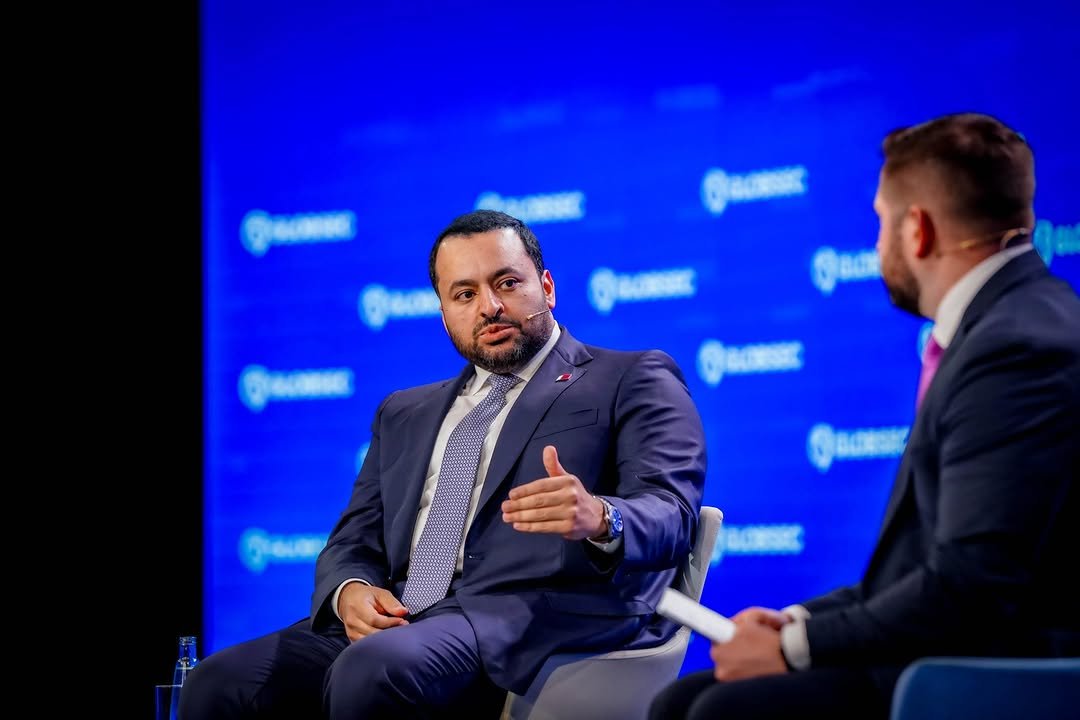
Prague: HE Minister of State at the Ministry of Foreign Affairs Dr. Mohammed bin Abdulaziz bin Saleh Al Khulaifi reaffirmed Qatar’s commitment to diplomacy and conflict mediation during his participation in the GLOBSEC Forum 2026, held in Prague, Czech Republic.
Speaking at a keynote session titled “Seeking Peace in the Middle East and Beyond,” Al Khulaifi stressed that modern conflicts are no longer confined by geography, warning that wars now generate humanitarian, economic, political, security, and social repercussions that extend far beyond their immediate regions.
He emphasized that mediation is not merely a political choice for Qatar, but a core element of its national identity and foreign policy. Citing Article 7 of Qatar’s Constitution, he noted that the country is committed to supporting the peaceful resolution of international disputes.

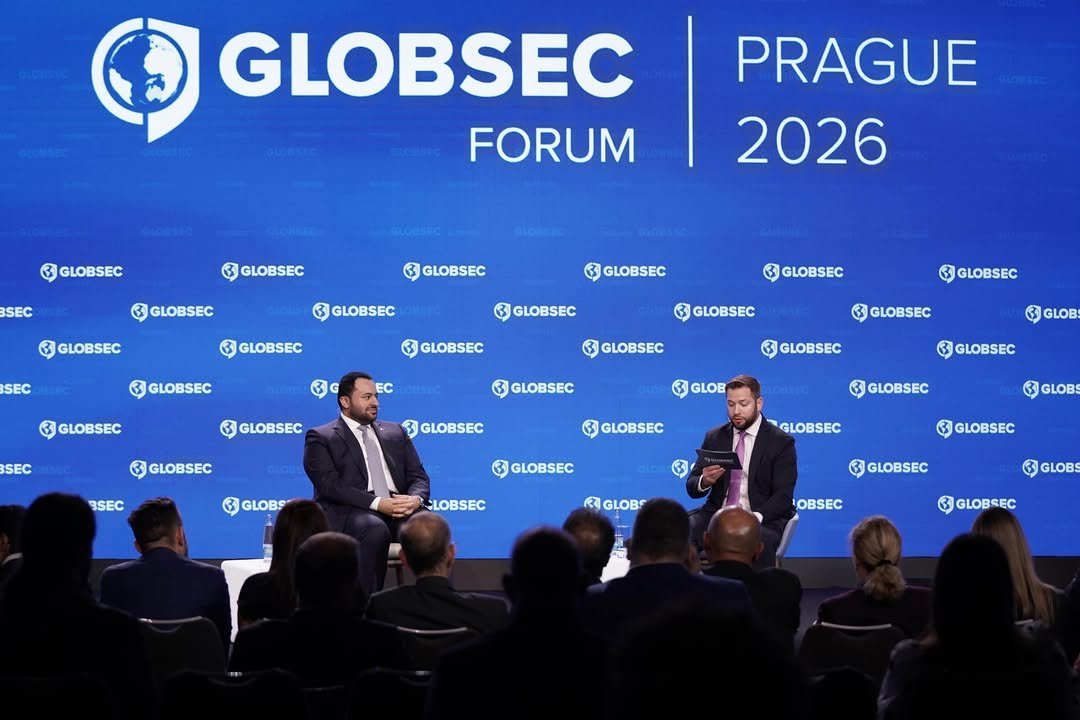



Al Khulaifi highlighted Qatar’s longstanding mediation efforts in several regional and international crises, including Gaza, Afghanistan, Iran, Lebanon, Sudan, Chad, Venezuela, and Ukraine, in addition to other ongoing diplomatic initiatives.
“Qatar does not engage in mediation because it is easy, but because the alternative is often far worse,” he said, underscoring that trusted mediation can play a decisive role even in the most complex conflicts.
Addressing the broader consequences of ongoing wars, Al Khulaifi identified four major impacts: humanitarian collapse, regional escalation, declining trust in diplomacy, and mounting global economic pressure.
Referring to the situation in Gaza, he stressed that the humanitarian dimension is inseparable from diplomacy itself, calling for intensified international efforts to ensure humanitarian aid access and civilian protection.
He further warned that conflicts in the Middle East can rapidly expand beyond national borders, affecting the Gulf region, the Red Sea, the Levant, and the wider international community.
Al Khulaifi also cautioned against the erosion of confidence in diplomacy, noting that prolonged wars can foster perceptions that dialogue is ineffective or symbolic. Such trends, he said, undermine long-term peacebuilding efforts.
On the economic front, he explained that conflicts disrupt energy and food supplies, aviation, maritime security, migration, and investment flows, stressing that peacebuilding is both a moral responsibility and a strategic necessity.
Drawing on Qatar’s diplomatic experience, Al Khulaifi said that even limited agreements, including ceasefires, humanitarian truces, detainee releases, or communication arrangements, can help prevent wider escalation.
Responding to questions about the most effective diplomatic tools for promoting peace and stability, he outlined five key pillars: reliable communication channels, humanitarian diplomacy, patience and confidentiality, international partnerships, and realistic sequencing in negotiations.
He explained that mediators often begin by enabling communication between parties that are unable or unwilling to engage directly, adding that humanitarian initiatives such as civilian releases, medical evacuations, and family reunifications can help build trust and reduce tensions.
Al Khulaifi emphasized that major diplomatic breakthroughs frequently emerge through quiet negotiations and confidence-building measures rather than public declarations alone.
He also highlighted the importance of coordinated partnerships, noting that Qatar works closely with regional and international actors. In Gaza, for example, Qatar has cooperated with Egypt, Türkiye, and the United States in ceasefire and humanitarian efforts.
The Minister added that successful mediation requires understanding when to pursue comprehensive settlements and when to focus on incremental humanitarian achievements that can later support broader political agreements.
“Success in mediation is not always measured by a final agreement,” he said. “Sometimes it is about preventing the next escalation, opening the first communication channel, or saving lives.”
Discussing the role of alliances in peacebuilding, Al Khulaifi stressed that sustainable peace cannot be achieved by mediators alone. While mediators can facilitate dialogue and build trust, lasting peace requires political commitment from all parties and sustained international support.
He noted that Qatar’s ability to maintain communication with diverse actors, including in matters related to Iran, has strengthened its diplomatic role, emphasizing that dialogue remains essential even in difficult circumstances.
According to Al Khulaifi, effective partnerships contribute to peacebuilding through political backing, humanitarian assistance, security guarantees, and post-conflict reconstruction and development.
“Mediation may open the door to peace,” he said, “but partnerships are what keep that door from closing again.”
Concluding his remarks, Al Khulaifi stressed that while mediation does not resolve every conflict, the absence of serious diplomatic engagement often leads to longer, more violent, and more difficult crises.
He reaffirmed that Qatar views mediation not as a publicity exercise, but as a strategic instrument aimed at containing escalation, protecting civilians, facilitating detainee releases, preserving dialogue, and creating opportunities for peace.
The Minister affirmed that Qatar will continue working with international partners to maintain communication channels, alleviate humanitarian suffering, and support peace efforts in the Middle East and beyond.
Photos: MOFA | GLOBSEC FORUM


