


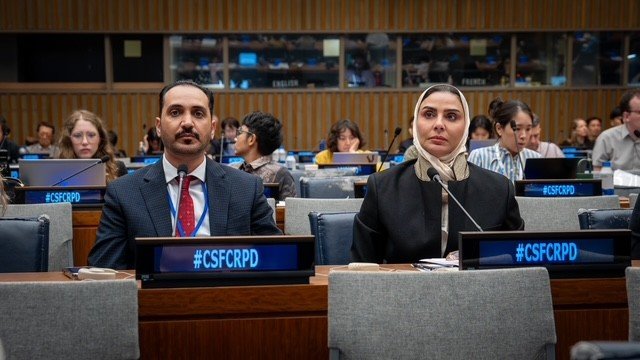
New York: The Qatar Social Work Foundation (QSWF), represented by Shafallah Center for Persons with Disabilities and Al Noor Center for the Blind, participated in the 19th Session of the Conference of States Parties to the Convention on the Rights of Persons with Disabilities (COSP19), held at the United Nations Headquarters in New York.
The participation, led by Al Noor Center Director Mishal Abdullah Al Nuaimi, underscored the Foundation’s commitment to advancing the rights of persons with disabilities, promoting their active inclusion in society, and strengthening Qatar’s presence in international platforms dedicated to disability rights and social empowerment.
In cooperation with the Permanent Mission of the State of Qatar to the United Nations, QSWF organized a side event titled “Redesigning Transition Pathways for Persons with Disabilities in the Age of Artificial Intelligence.” The event was held in partnership with the International Labor Organization (ILO), the Statistical, Economic and Social Research and Training Center for Islamic Countries (SESRIC), and the Arab Organization of Persons with Disabilities.
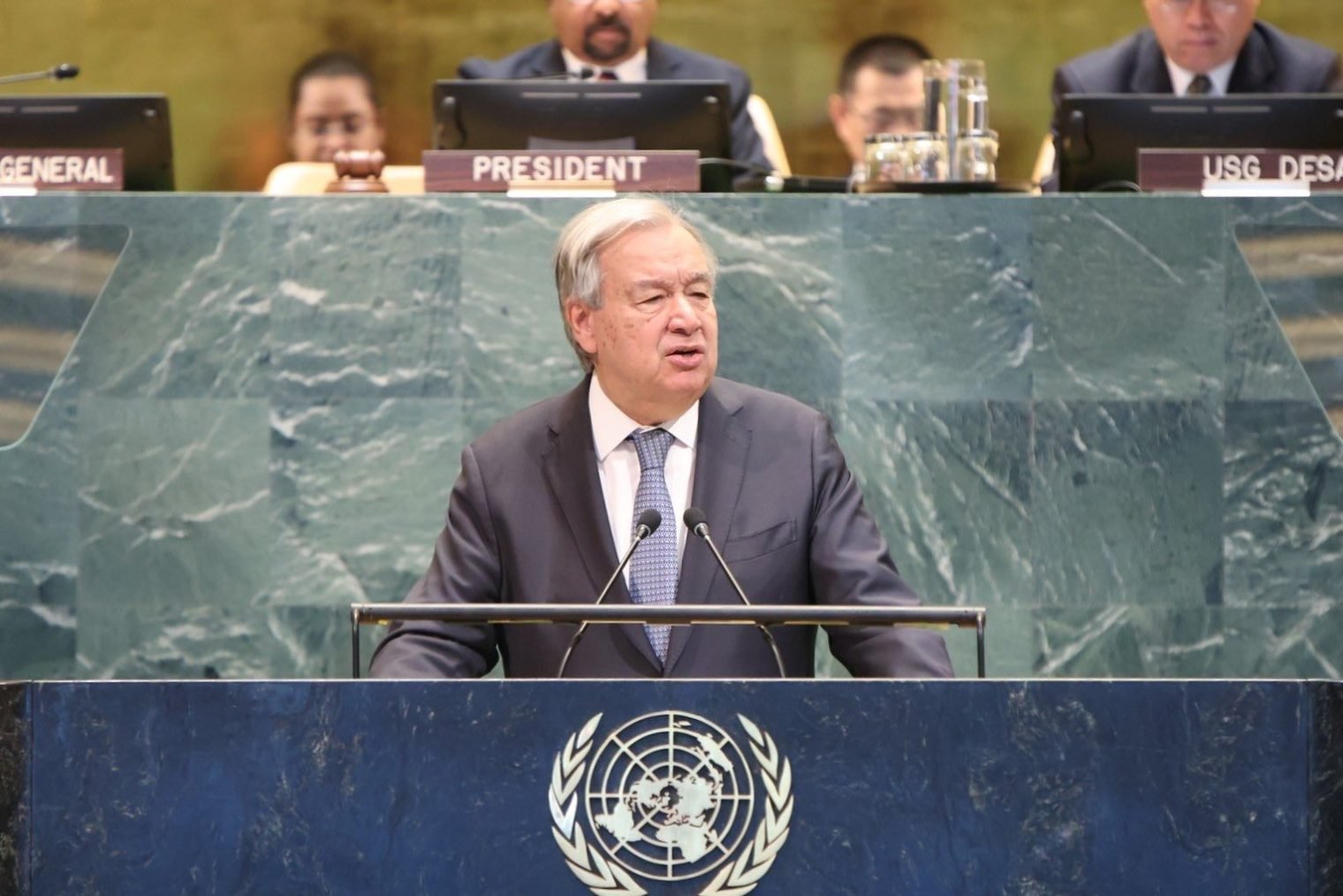
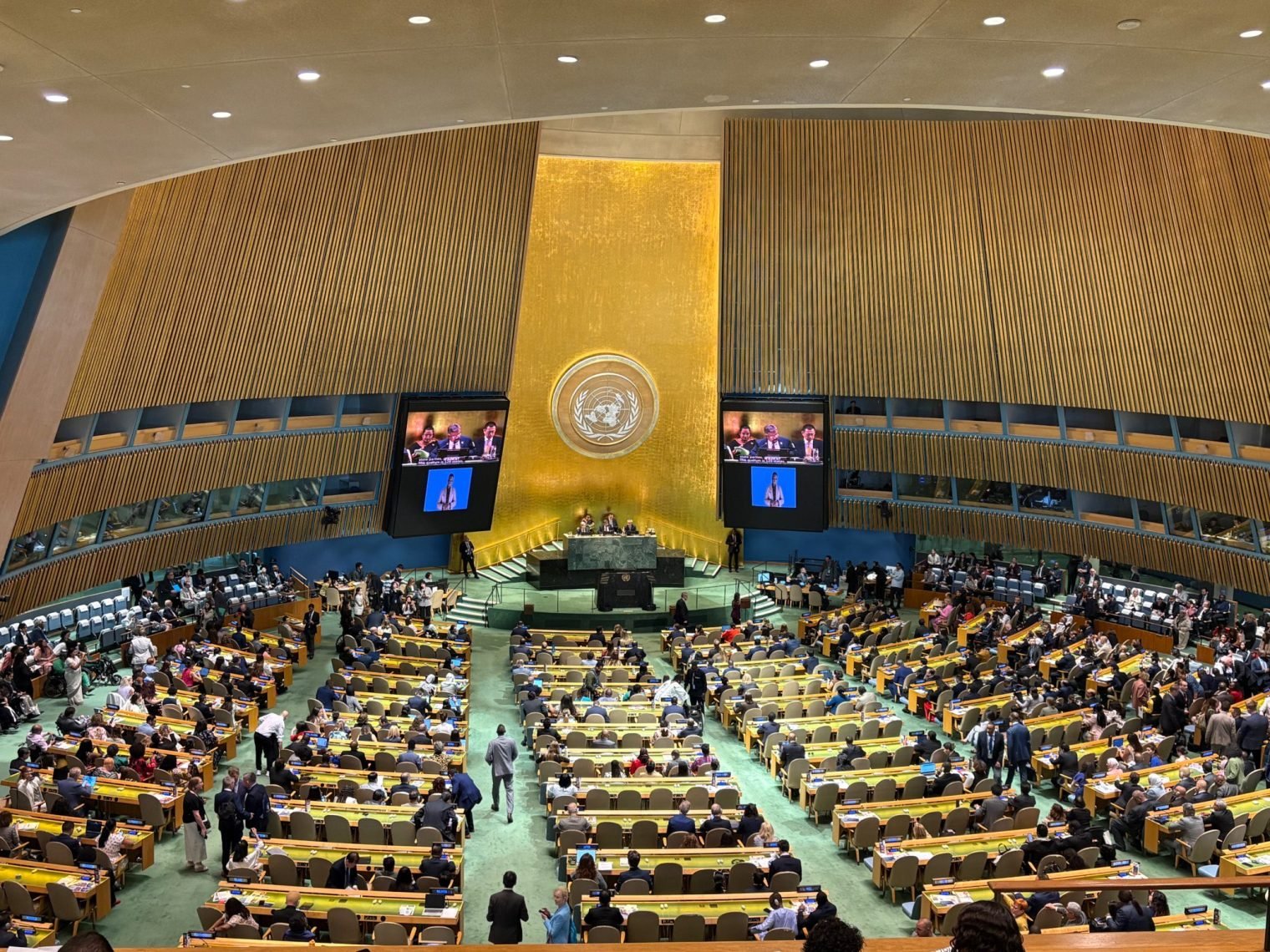

The session brought together experts and representatives from international and regional organizations to discuss bridging the gap between educational outcomes and meaningful employment opportunities, particularly for persons with intellectual disabilities and autism spectrum disorder. Participants emphasized the need to move beyond traditional models that separate education, training, and employment, advocating instead for integrated pathways that connect learning, practical experience, and economic participation.
Discussions also explored the transformative role of artificial intelligence and smart technologies in supporting independence among persons with disabilities. Speakers highlighted how AI can personalize learning experiences, enhance workplace performance, simplify complex tasks, expand economic opportunities, and reduce reliance on direct support.
Participants further examined barriers that hinder the transition from education to employment and discussed ways to translate successful initiatives into sustainable and scalable national policies.
On the sidelines of the conference, Al Noor Center and Shafallah Center took part in Civil Society Day activities, where they shared Qatar’s experiences and best practices in disability inclusion and empowerment.
Al Noor Center emphasized the importance of building resilient communities through comprehensive and sustainable support systems that promote independence and ensure the full participation of persons with disabilities in all aspects of life. The center advocated for a shift from institutional care models to person-centered, community-based approaches that uphold dignity, independence, and freedom of choice.
The center also highlighted the importance of integrated services, including early intervention, rehabilitation, independent living, inclusive education, mental health support, assistive technologies, and opportunities for social and economic participation. It called for greater investment in accessible community services and enhanced support for families, caregivers, and professionals through training, capacity-building, and adequate resources.
Reaffirming the principle of “Nothing About Us Without Us,” Al Noor Center stressed the right of persons with disabilities to make decisions regarding their own lives and services. The center also showcased its achievements in empowerment, rehabilitation, training, and accessibility services, highlighting their positive impact on independence and community engagement.
Meanwhile, Shafallah Center stressed that the primary challenge is not merely increasing the number of services available, but ensuring that they are integrated and coordinated to enable persons with disabilities to live independently and participate fully in society. The center noted that the success of support systems should be measured by their ability to empower individuals to make their own decisions, develop their skills, and access education, employment, and community life on an equal basis with others.
QSWF’s participation reflects its ongoing efforts, alongside its specialized centers, to advance the rights, empowerment, and independence of persons with disabilities. It also demonstrates Qatar’s commitment to contributing to global efforts aimed at building more inclusive and sustainable societies.
The participation further aligns with the Foundation’s consultative role with the United Nations Economic and Social Council (ECOSOC), strengthening its international engagement and fostering the exchange of expertise and best practices in disability rights and inclusion.