





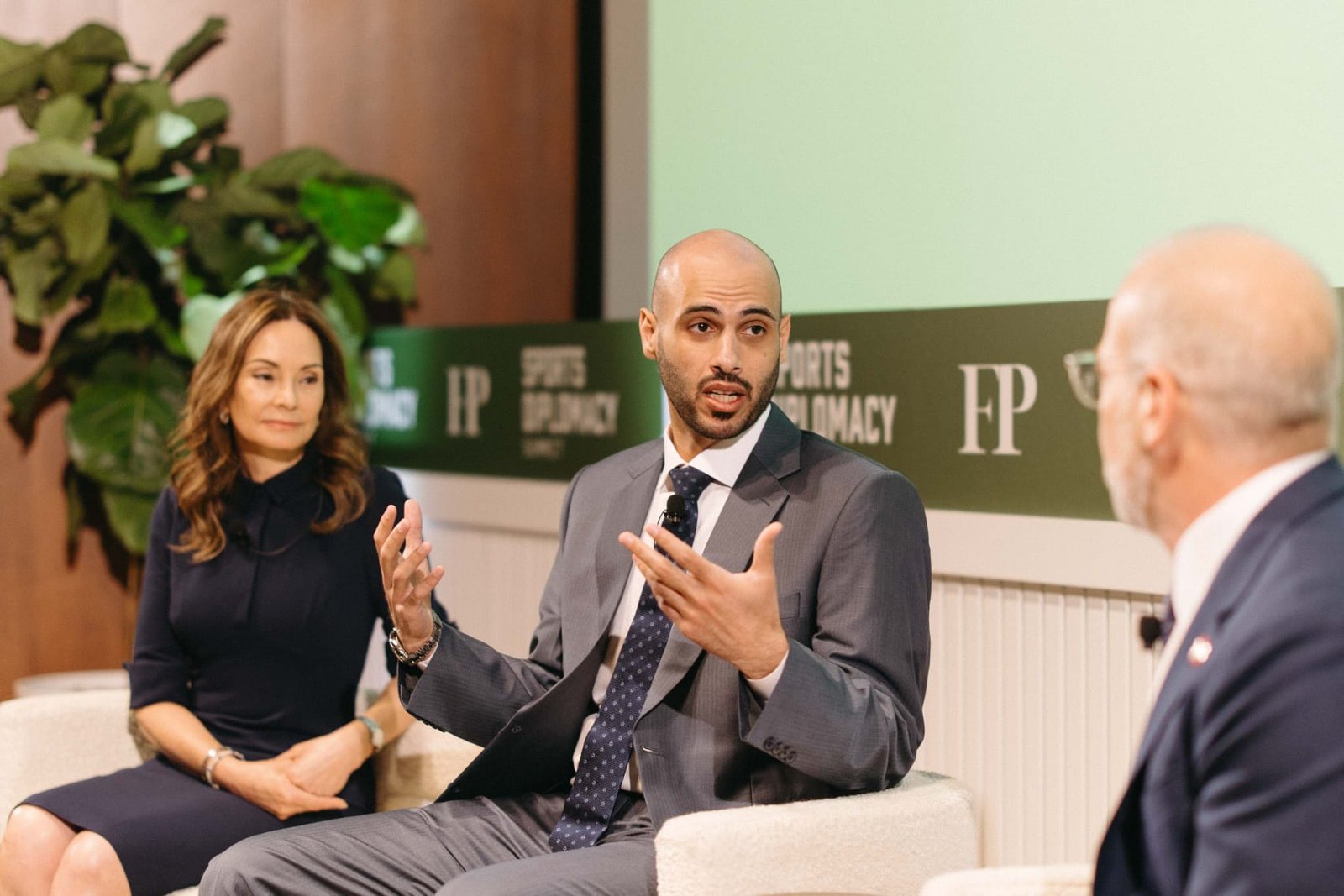
Washington: Qatar’s legacy in hosting major international sporting events took center stage at the Sports Diplomacy Summit, organized by Foreign Policy Magazine at the Embassy of Qatar in Washington, as participants explored the role of sport in fostering international cooperation and economic development ahead of the 2026 FIFA World Cup.
Speaking during a panel discussion, Chairman of the Local Organizing Committee of football events Jassim Abdulaziz Al Jassim highlighted the lasting impact of the FIFA World Cup Qatar 2022, describing it as a landmark event that showcased Arab culture, hospitality, and operational excellence to a global audience while strengthening Qatar’s position as a premier destination for international sports.
Al Jassim said the tournament served as a catalyst for developing long-term national capabilities, creating a comprehensive event-hosting ecosystem, and nurturing a new generation of expertise. He noted that Qatar continues to benefit from the world-class infrastructure, strategic partnerships, and international relationships established through the tournament.

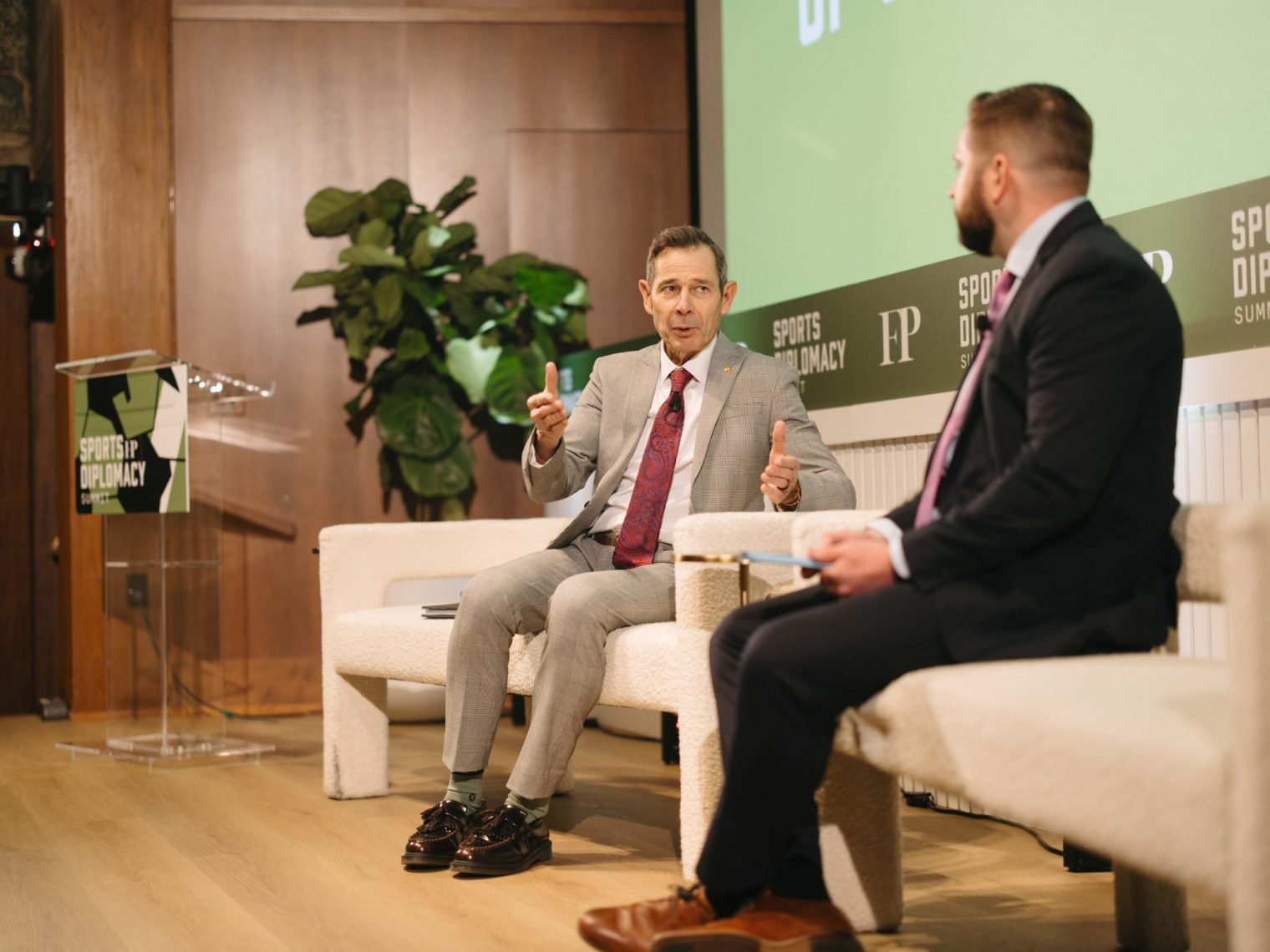



Emphasizing the power of sport as a bridge between cultures, Al Jassim said major sporting events provide countries with a unique opportunity to share their stories beyond political and geographic boundaries, bringing people together through a universal language.
Since hosting the first FIFA World Cup in the Middle East and Arab world, Qatar has continued to expand its sporting legacy by successfully staging major international competitions, including the AFC Asian Cup Qatar 2023. The country is also preparing to host three FIFA tournaments in 2025: the FIFA U-17 World Cup, the FIFA Intercontinental Cup, and the FIFA Arab Cup.
Looking ahead to the 2026 FIFA World Cup, Al Jassim reaffirmed Qatar’s commitment to international cooperation and knowledge sharing. He revealed that a team of Qatari experts who played key roles in organizing previous major tournaments has been deployed across several host cities in the United States and Canada under a knowledge-exchange agreement between the Supreme Committee for Delivery and Legacy and FIFA.
He added that a second group of officials from the Supreme Committee and partner organizations will participate in an observation and monitoring program during the tournament to gain further insights into organizing large-scale, multi-country sporting events.
Al Jassim noted that every FIFA World Cup leaves a distinctive mark on football and the wider world. While Qatar 2022 represented a historic milestone for the Middle East and the Arab world, he said the 2026 edition will create its own unique chapter in the tournament’s history.
For his part, HE Ambassador of the State of Qatar to the United States Sheikh Mishal bin Hamad Al-Thani said Qatar’s journey in hosting major sporting events did not end with the successful delivery of the 2022 FIFA World Cup.
He stressed that the expertise, partnerships, and best practices developed through the tournament continue to benefit the global sports community, including preparations for the 2026 World Cup in North America. He added that Qatar is proud to see its hosting legacy helping shape the next era of World Cup organization and international sporting cooperation.
The ambassador noted that hosting the Sports Diplomacy Summit reflects Qatar’s ongoing commitment to promoting dialogue, understanding, and collaboration through sport.
The summit brought together senior leaders and decision-makers from government, diplomacy, media, and investment sectors to discuss the growing influence of sport as a platform for international engagement, diplomacy, and sustainable economic growth.


