





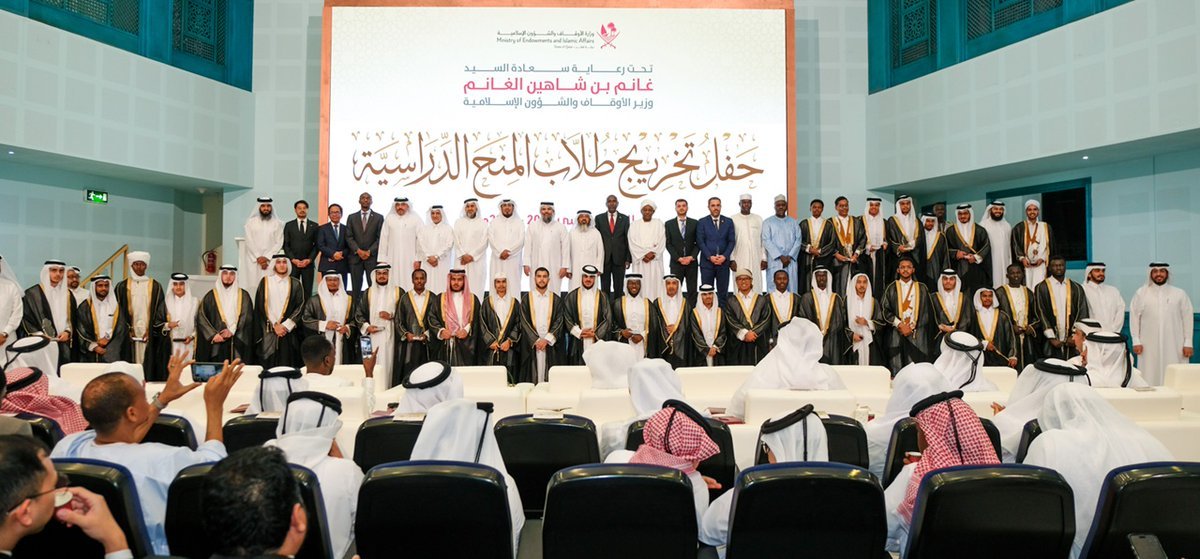
Doha: The Ministry of Endowments (Awqaf) and Islamic Affairs celebrated the graduation of students under its annual scholarship program for the 2025–2026 academic year, reaffirming its commitment to nurturing a generation equipped with knowledge, values, and leadership skills to serve society and promote the principles of Islam.

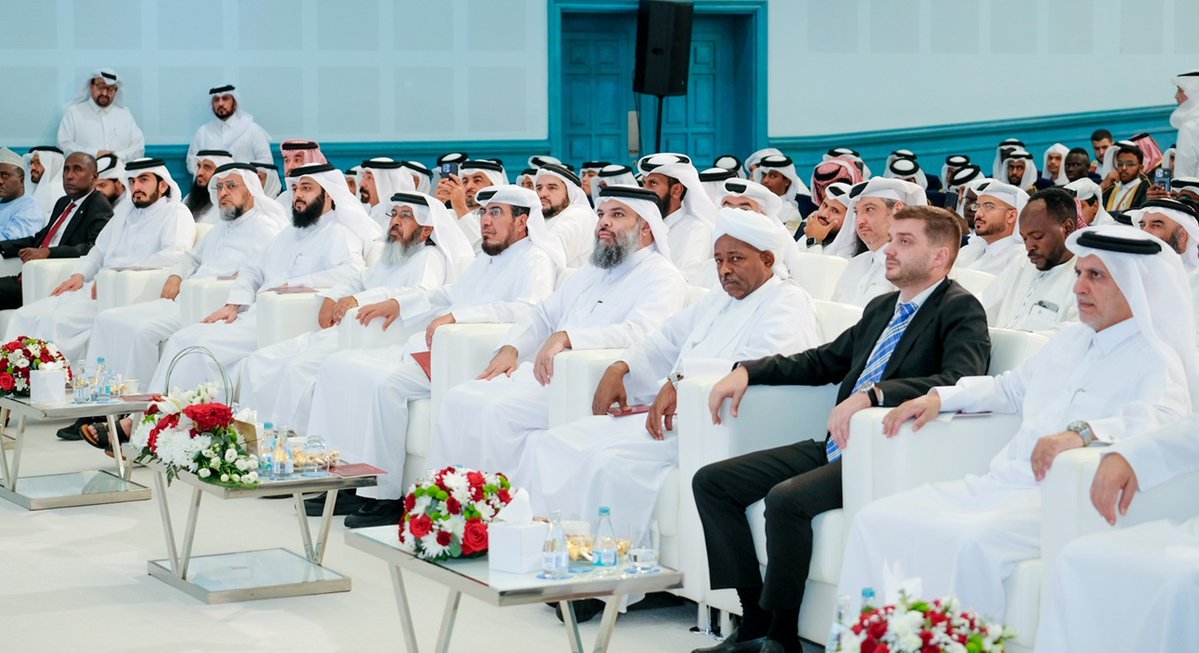

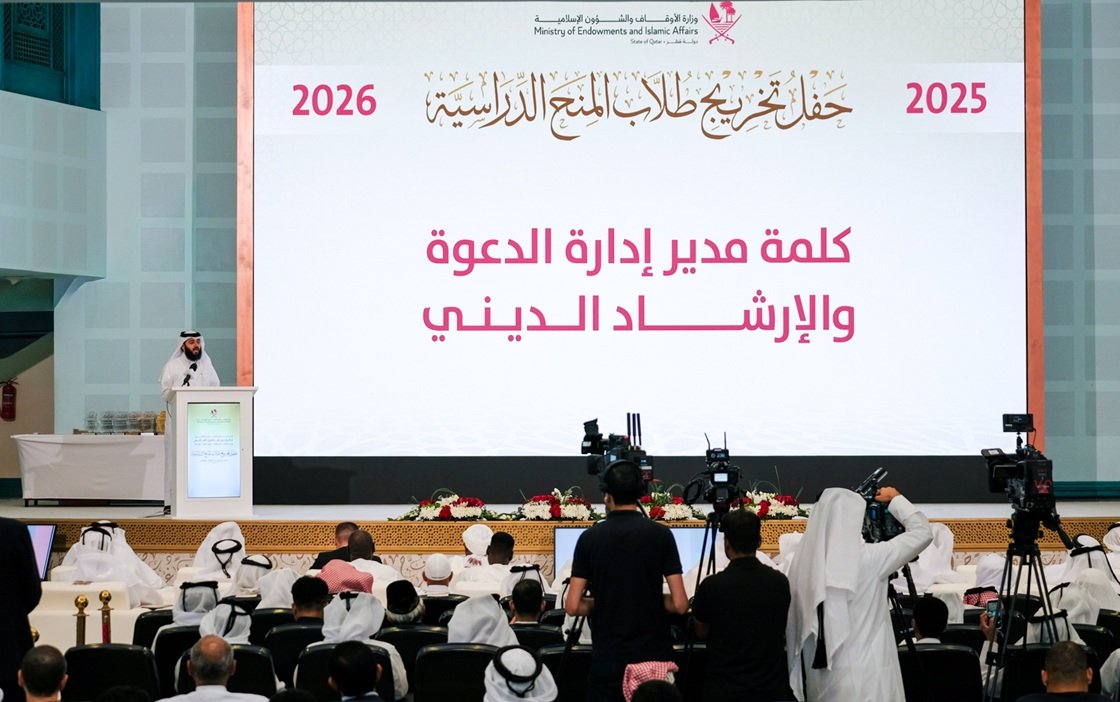
The ceremony was held under the patronage of HE Minister of Endowments and Islamic Affairs Ghanem bin Shaheen bin Ghanem Al Ghanem and highlighted the Ministry’s ongoing efforts to advance education and invest in human development in line with Qatar’s national aspirations.
Representing the Minister, HE Undersecretary of the Ministry of Endowments and Islamic Affairs Dr. Sheikh Khalid bin Mohammed bin Ghanem Al-Thani attended the event alongside assistant undersecretaries, senior ministry officials, department directors, academic leaders, and scholarship program administrators.
The ceremony honored graduates from the Ministry’s scholarship program, students of the Religious Institute, graduates of the Associate Diploma in Da’wah and Islamic Sciences at the Community College of Qatar, and outstanding Qatari students enrolled at the Religious Institute.
Speaking at the event, Director of Da’wah and Religious Guidance Jassim bin Abdullah Al Ali described the scholarship program as one of the Ministry’s strategic pillars for developing qualified human capital and shaping future generations.
He said the program reflects an integrated vision aimed at preparing specialists in Sharia sciences who are capable of conveying Islam’s message of moderation and strengthening values of tolerance and balance.
Al Ali noted that the current academic year included 182 students from 39 brotherly and friendly countries, underscoring the program’s international reach and its role in fostering cultural exchange and civilizational dialogue. He added that 40 percent of participating students achieved distinction, reflecting the quality of educational support and academic care provided by the Ministry.
He emphasized that the program extends beyond academic instruction to include comprehensive educational, spiritual, and skills-development initiatives. Students benefit from a supportive learning environment, Quranic studies, religious guidance programs, and social activities designed to strengthen their personal and professional capabilities.
As part of efforts to support academic excellence, the Ministry allocated 23 university scholarships this year at Qatar University’s College of Sharia and Islamic Studies, enabling graduates to continue their higher education and specialized studies.
Al Ali also highlighted the Ministry’s support for national talent, noting that 48 outstanding Qatari students at the Religious Institute were recognized during the ceremony. In addition, six students benefited from government scholarship opportunities at Qatar University’s College of Sharia and Islamic Studies.
The Associate Diploma in Da’wah and Islamic Sciences at the Community College of Qatar currently enrolls 57 male and female students, including 13 graduates this year.
The Ministry honored several educational and academic leaders in recognition of their contributions to advancing education and promoting academic excellence. Those recognized included Dr. Khalid Mohamed Al Horr, President of the Community College of Qatar; Dr. Ibrahim Abdullah Al Ansari, Dean of the College of Sharia and Islamic Studies at Qatar University; and Abdulla Rashid Al Nuaimi, Director of the Institute for Religious Studies Preparatory and Secondary School for Boys.
The ceremony concluded with celebrations marking the graduates’ achievements and the culmination of years of dedication and academic excellence.
The event reflects the Ministry’s broader strategy to prepare qualified scholars and religious leaders capable of serving society, promoting the values of moderation and tolerance, and contributing to sustainable development. It also highlights Qatar’s continued commitment to investing in education and human capital as key pillars of Qatar National Vision 2030 and the development of a knowledge-based society rooted in its cultural and religious identity.
Source: QNA


